


UToledo Health is the first health system in the Toledo area to perform cardiac ablation procedures using new dual-energy catheter technology, the university announced October 19, calling it a significant advancement in the treatment of atrial fibrillation and other heart rhythm disorders.
Dr. Abhishek Maan, a UToledo Health cardiac electrophysiologist and an assistant professor of cardiovascular medicine at the University of Toledo College of Medicine and Life Sciences, performed the first dual-energy procedures at the University of Toledo Medical Center in late September.

Atrial fibrillation, commonly known as AFib, is an irregular heart rhythm that affects millions of Americans and significantly increases the risk of stroke and heart failure, the university said. Catheter ablation is a minimally invasive procedure in which a physician threads a thin, flexible tube through blood vessels to the heart and applies energy to disrupt abnormal electrical signals.
The university said ablation has become an increasingly effective alternative to long-term medication management, which it put at a success rate of only 40 to 45 percent, compared with approximately 75 to 80 percent for ablation. The goal, Maan said, is always to personalize where in a particular patient’s heart the ablation needs to happen.

The new Biosense Webster dual-energy catheter combines two distinct energy sources in a single device: traditional radiofrequency and the newer pulse field ablation, which targets specific heart cells while leaving surrounding structures largely unaffected. Maan likened the combination to a hybrid car, toggling between energy types as a case requires.
That flexibility matters for safety and for reach. One of the more serious risks of traditional radiofrequency ablation has been inadvertent damage to the esophagus, which sits directly behind the heart, and Maan noted that after approximately 500,000 pulse field procedures worldwide, the most feared complication of that kind has not been reported with pulse field ablation. The dual-energy approach also allows deeper, point-by-point lesions in areas previously difficult to treat effectively, he said.

The technology is also changing recovery. Maan said he has begun sending select ablation patients home the same day as their procedure, a meaningful shift from the longer hospital stays historically associated with cardiac procedures.
UTMC now offers three distinct catheter options for cardiac ablation — the Farapulse, the Varipulse and the new dual-energy catheter — allowing the team to tailor the approach to each patient’s anatomy and clinical history. Maan, who trained at Massachusetts General Hospital and Mount Sinai, credited the electrophysiology staff around him for the program’s success.
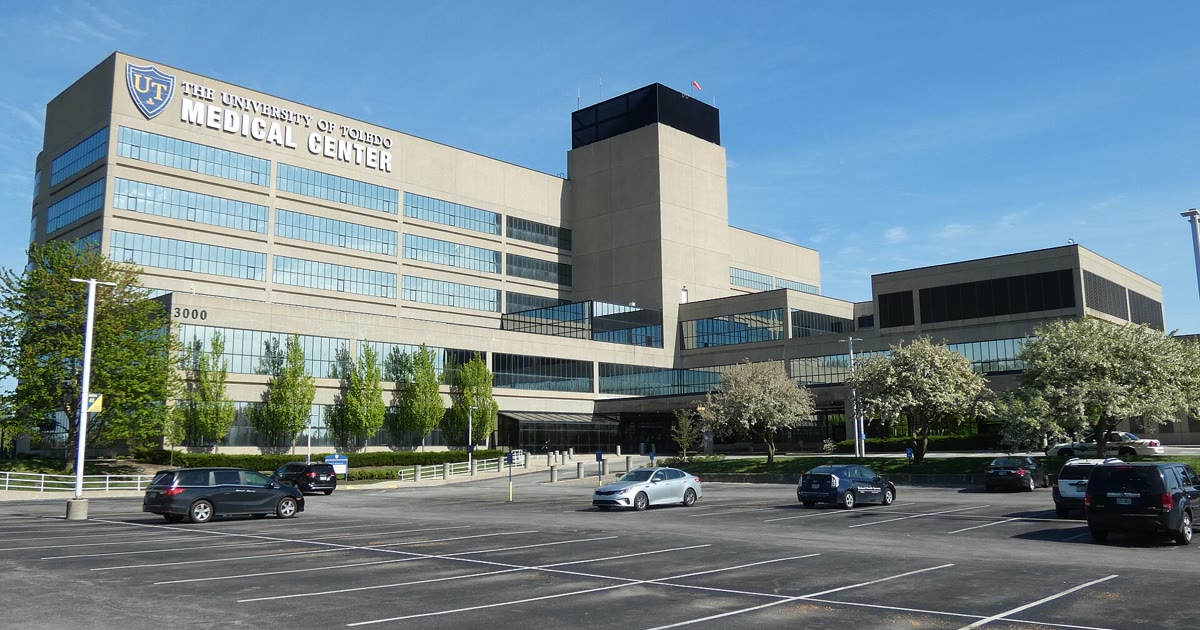
Photo: MrJacon000, CC BY-SA 4.0