


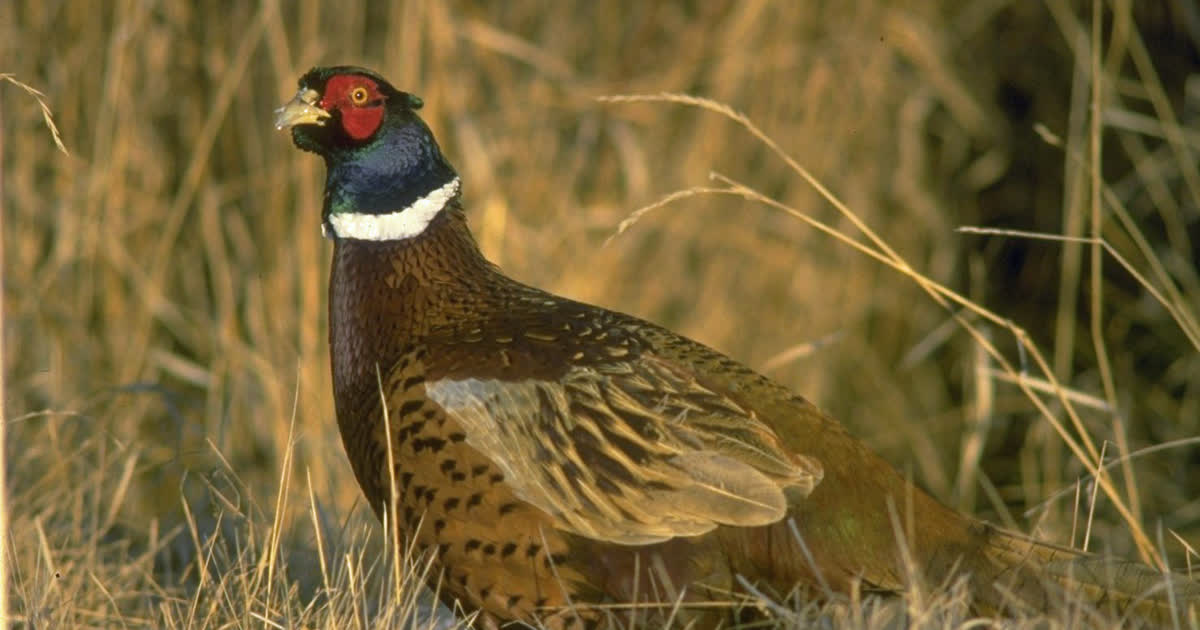
The Big Island Wildlife Area west of Marion is getting bigger, and a piece of land that spent years as a golf course will now grow native grass for pheasants instead. Pheasants Forever and the Ohio Department of Natural Resources Division of Wildlife are celebrating the addition of 43 acres to the Marion County wildlife area, according to a Pheasants Forever release marking the transfer.
Pheasants Forever acquired the parcel in the fall of 2024 through its Build a Wildlife Area initiative and transferred the acreage to the Ohio Division of Wildlife in August 2026 for increased public hunting access, the release said. Outdoor News reported the addition on October 29, bringing the Marion County project to a wider Ohio outdoors audience as fall hunting seasons approach.

Internally, the partners call the parcel the “Golf Course Tract.” According to Pheasants Forever, the land served as a golf course for many years before part of it was converted back to cropland and the remainder was left fallow. That history is exactly what made it valuable: bordered on opposite sides by the existing Big Island Wildlife Area, the tract plugs a gap in the middle of protected ground.
Nearly all 43 acres will now be restored to native upland habitat to benefit the local pheasant population and other grassland species, Pheasants Forever said. Upland grasses and forbs give pheasants nesting cover in spring, brood-rearing cover in summer, and the kind of thick winter cover that determines how many birds survive to the next season.

The addition also increases habitat connectivity across a much larger landscape. Pheasants Forever said the tract adds to more than 7,000 acres of protected habitat in the area, including earlier Build a Wildlife Area projects — the Mallett Family Tract and the Beaver Wildlife Area. Connected blocks of grassland and wetland matter more than isolated patches, because grassland birds need room to move, nest, and escape predators across an entire year.
Big Island itself is already one of central Ohio’s most significant public wildlife areas. Situated west of Marion off State Route 95 along the Scioto River corridor, it holds thousands of acres of restored wetlands, open fields, and woodlands in a central flyway for waterfowl and shorebirds traveling between the Ohio River and the western basin of Lake Erie. Birders have recorded more than 280 species there, and its diked wetland units along LaRue-Prospect Road are among the largest concentrations of interior wetlands in the state.

The project drew support beyond the two lead partners. Pheasants Forever said the work was made possible with program support from Enbridge through its Sustainable Communities initiative, and by dedicated volunteer chapters of Pheasants Forever and Quail Forever in Ohio. That chapter network — local volunteers raising money and turning it into permanently protected ground — is the engine of the Build a Wildlife Area model.
That model is deliberately permanent. Build a Wildlife Area is Pheasants Forever and Quail Forever’s strategy for fee-title acquisitions that conserve habitat and increase public hunting access for good, and the organizations say it has opened more than 248,000 acres of permanently protected, publicly accessible upland habitat nationwide. Unlike an easement or a short-term lease, a transfer to the Division of Wildlife puts the Golf Course Tract into public ownership, managed alongside the rest of Big Island.

For Marion County, the addition lands in a community that has had a busy outdoors and athletics fall — from habitat work like this to the volleyball run chronicled in unbeaten Pleasant’s fourth straight district volleyball title, won this week by another Marion County program. And it echoes a different kind of building project elsewhere in Ohio, where Habitat for Humanity and Ohio University built a home together in the Bobcat Build — habitat for people there, habitat for wildlife here.
What we know — and what we’re still waiting on
What we know is the transfer itself: 43 acres, acquired by Pheasants Forever in fall 2024, transferred to the Division of Wildlife in August 2026, and slated for native upland restoration, according to Pheasants Forever. What has not been detailed publicly yet is a restoration timetable — when seeding and site work will begin on the former fairways, and the first season the tract will be managed as fully restored grassland rather than fallow ground and cropland.
What happens next is the slow, unglamorous work that makes projects like this succeed: preparing the site, planting native grasses and forbs, and managing the stand as it establishes over several growing seasons. Pheasant habitat is not built in a single fall, and the partners’ own framing — permanent protection first, restoration over time — reflects that.
When that work is done, hunters, birders, and Marion County residents will have something that did not exist two years ago: another 43 acres of public ground, stitched directly into one of Ohio’s great interior wetland and grassland complexes, and protected for every season after this one.
[…] itself. That is the same rural-readiness theme running through other recent Ohio coverage, from the expansion of the Big Island Wildlife Area in Marion County to an Akron house fire that displaced two people — different incidents, but the same reliance on […]