


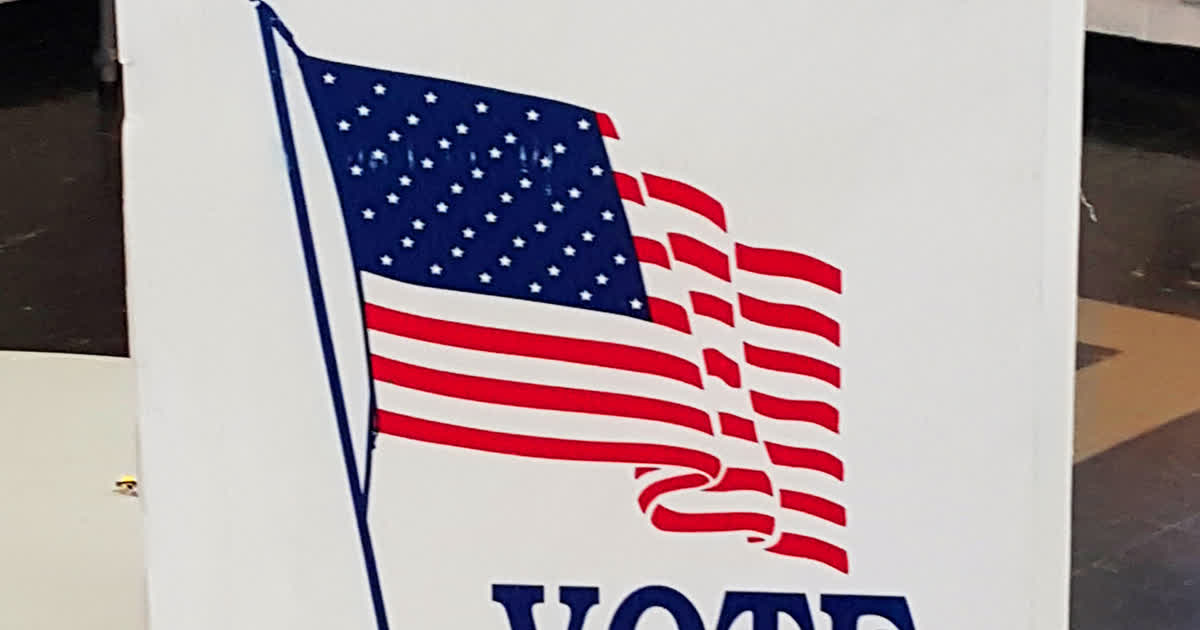
Ohio voters have decided to write the state’s photo voter ID requirement into the Ohio Constitution, approving State Issue 3 on Tuesday, November 3, in unofficial results. The Associated Press and CNN both projected the amendment would pass, and the Cincinnati Enquirer reported the issue passing with nearly 60 percent of the vote in unofficial returns late Tuesday night.
Issue 3 takes Ohio’s existing photo ID law — which already required voters to show an Ohio driver’s license, a state identification card, a U.S. passport or a military ID at the polls — and elevates it into the state constitution, where it can no longer be changed by the legislature or struck down as easily in court. Supporters argued the amendment locks in election security; opponents argued it constitutionalizes a requirement that can keep eligible voters from casting a ballot.

The Columbus Dispatch reported that with about half of the votes tallied across the state, the issue led by a 65 percent to 35 percent margin, a gap that narrowed somewhat as more precincts reported but never closed. The measure was the only statewide ballot question before Ohio voters on Tuesday.
Issue 3’s passage was the one statewide question settled on election night. In Ohio’s two biggest races, the Associated Press reported both were too early to call with about 72 percent of precincts reporting: Democrat Amy Acton led Republican Vivek Ramaswamy in the governor’s race by roughly 1,704,710 votes to 1,552,930, according to AP-tabulated returns, and Democrat Sherrod Brown led Republican incumbent Jon Husted in the special election for U.S. Senate, roughly 1,635,618 to 1,580,790.

Neither lead was considered safe Tuesday night, because the remaining uncounted ballots were concentrated in later-reporting precincts. Both campaigns gathered with supporters in Columbus on Tuesday night as the counting continued, with Democrats holding their election night event downtown.
All results from Tuesday night are unofficial. County boards of elections will conduct their official canvass in the coming weeks, and the state certification follows. Issue 3’s amendment takes effect under the timeline set in the amendment itself once the results are certified.

What happens next: counties will finish counting outstanding absentee and provisional ballots before certifying their results, and the governor’s and Senate races may not be called until that picture clears. Ohio voters casting ballots in future elections will now do so under a photo ID rule that sits in the state constitution itself, not just in state law.
Photo: Tim Evanson, CC BY-SA