


Muskingum County voters are weighing a statewide ballot question this fall that would reshape how services for people with developmental disabilities are governed in Ohio. State Issue 36, set for the November 3 general election, asks voters across the state to decide whether to approve a sweeping change to the county board system that families in Zanesville and across Muskingum County have relied on for decades.
Issue 36 is a proposed law placed on the ballot through a citizen-initiated statute, not a tax levy and separate from other statewide issues on the ballot. If voters approve it by a simple majority, the measure would take effect 30 days after the election, in early December, without further action by the legislature. The question is therefore both a local services decision and a statewide structural vote.
If approved, Issue 36 would replace elected county boards of developmental disabilities with a new county Disability Services Council in each county. It would also create county Departments of Disability Services to carry out day-to-day work, placing local programs under a new governance model intended to standardize how services are overseen and delivered from county to county.
At the state level, the proposal would establish a new Disability Services Commission above the Ohio Department of Developmental Disabilities. Supporters describe that layer as a way to add oversight and consistency. The measure would also require counties to set up local developmental disabilities levies, linking the new structure directly to the local funding system voters already know.

That funding history is extensive in Ohio. Voters in 85 of the state’s 88 counties currently support passed developmental disabilities levies, a record both sides cite in the debate. Supporters, including the Ohio Self Determination Association, the Down Syndrome Association of Central Ohio, the Ohio Association of People Supporting Employment First, and Greenleaf Family Center, argue that stronger state oversight will improve accountability and make services more consistent for people and families who move or seek help across county lines.
Opponents urge caution. The Ohio Association of County Boards says the plan would strip voter oversight by ending the elected board model, and the Muskingum County Board of Developmental Disabilities is among those opposed. Boards and other critics warn that a rapid transition could bring added costs and disrupt services for people who depend on steady support, transportation, employment programs, and family assistance.

For Muskingum County, the outcome will be decided by voters statewide, not by the county alone, but the local effect would be immediate if Issue 36 passes. Families, providers, and county officials would face a transition to the new council and department structure in December, while a rejection would leave the current board system in place. Election officials remind voters to review the full ballot language and sample ballot before heading to early voting or to the polls on November 3.
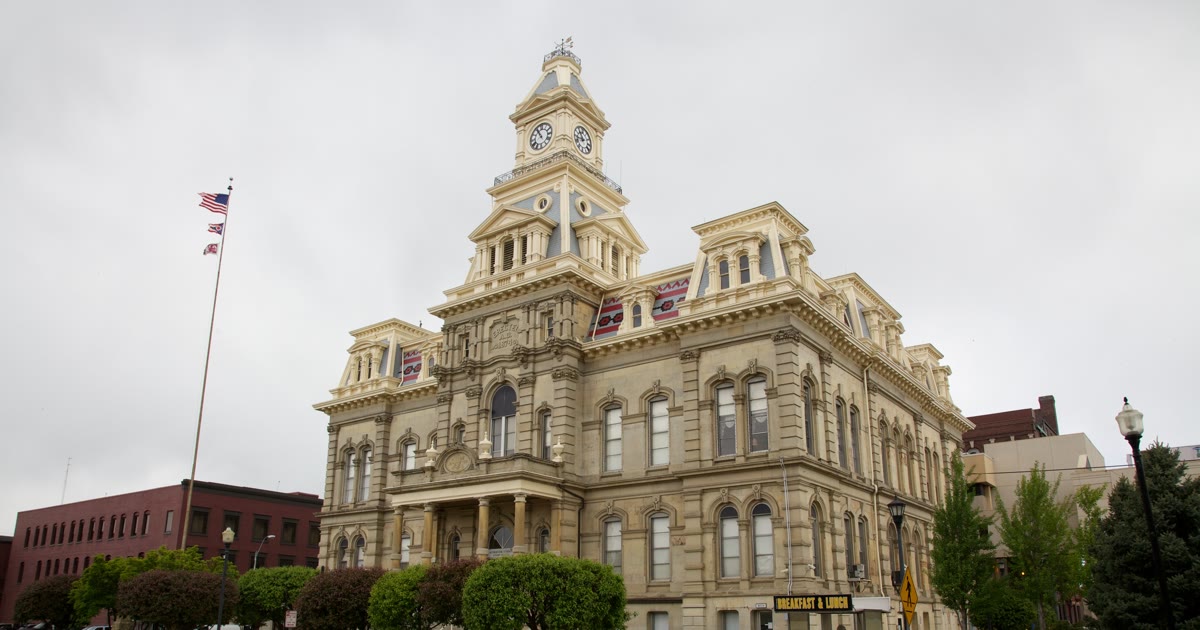
Photo: David Brossard, CC BY-SA 2.0