


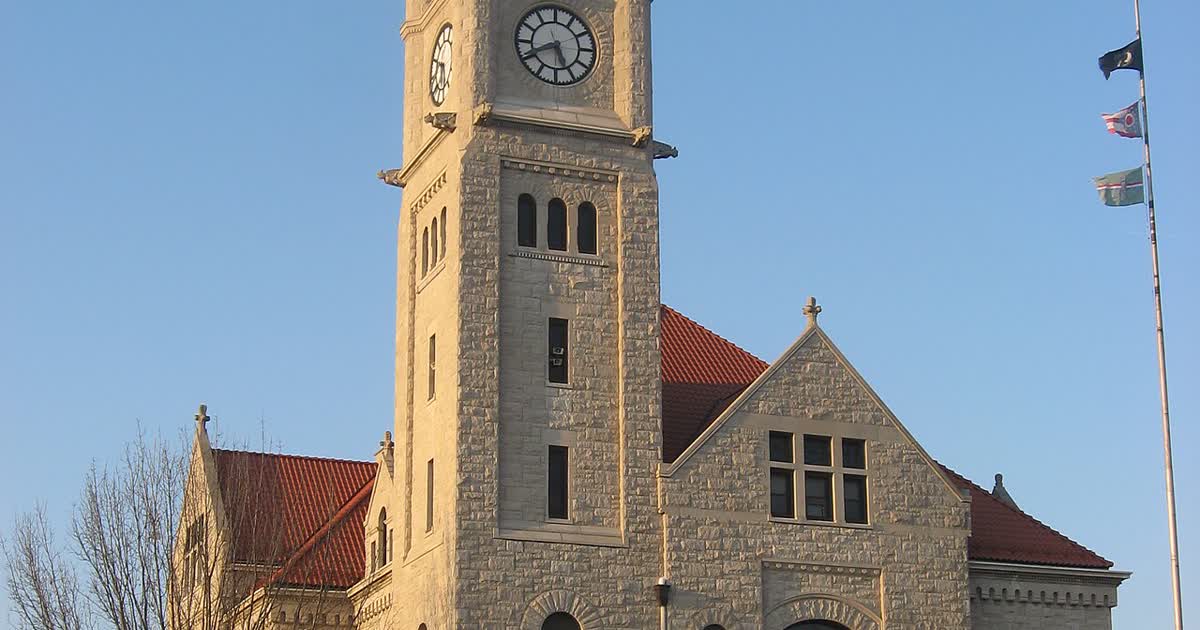
XENIA, Ohio — Greene County voters backed Republicans at the top of the ticket and gave strong support to statewide Issue 3 in the Nov. 3, 2026, general election, according to the unofficial results reported by the Greene County Board of Elections. Election-night reporting covered all 151 Greene County precincts. All results here are UNOFFICIAL until the board certifies them later this month.
For governor, Republican Vivek Ramaswamy led in Greene County with 37,155 votes, ahead of Democrat Amy Acton with 34,310 votes, according to the board’s unofficial results. Acton carried Ohio statewide and will become governor in January. For U.S. Senator, Republican Jon Husted led in the county with 38,276 votes, ahead of Democrat Sherrod Brown with 32,693 votes, Libertarian William B. Redpath with 2,089 votes, and Greg Levy with 1,201 votes, according to the board’s unofficial results. Brown won the Senate seat statewide.
Greene County voters also backed statewide Issue 3, the proposed constitutional amendment requiring voter photo identification, by 46,230 votes to 23,744, according to the board’s unofficial results. Issue 3 passed statewide and will be written into the Ohio Constitution once the vote is certified.
In the 10th District race for Representative to Congress, Republican Mike Turner carried Greene County with 27,079 votes, or 53.44 percent, ahead of Democrat Kristina Knickerbocker with 22,282 votes, or 43.98 percent, and Libertarian Thomas McMasters with 1,308 votes, or 2.58 percent, according to the Greene County Board of Elections’ election-night reporting. Those figures are Greene County’s share only. District-wide, unofficial results from the Ohio Secretary of State’s office showed Knickerbocker defeating Turner, 49.3 percent to 47.7 percent, according to the Columbus Dispatch, and the Associated Press called the district for Knickerbocker on Thursday, Nov. 5.

What we know — and what we’re still waiting on
What we know is the election-night count: unofficial results covering all 151 precincts, with the totals above. What we are still waiting on is what can still change those totals — eligible provisional ballots, timely overseas and military ballots, and cured ballots — and then the official canvass and certification by the bipartisan board: Chair Wendy Dyer, Janis Basham, Anita Swan and Denise Moore, according to the board.

The cure step comes first. Under Ohio Secretary of State Directive 2026-48, voters may cure an absentee or provisional ballot deficiency through Saturday, Nov. 7, 2026, and eligible military and overseas ballots received within four days after Election Day are also counted. Only after that window closes can the board finish deciding which provisional ballots are eligible, so margins could still shift slightly.
What happens next is set by the same directive: the official canvass must begin no earlier than Sunday, Nov. 8, 2026, and no later than Wednesday, Nov. 18, 2026, and the board must certify no later than Tuesday, Nov. 24, 2026, according to Directive 2026-48. County certifications are then reviewed by the Secretary of State’s office before final statewide certification. NewsForce247 will update this coverage at certification.