


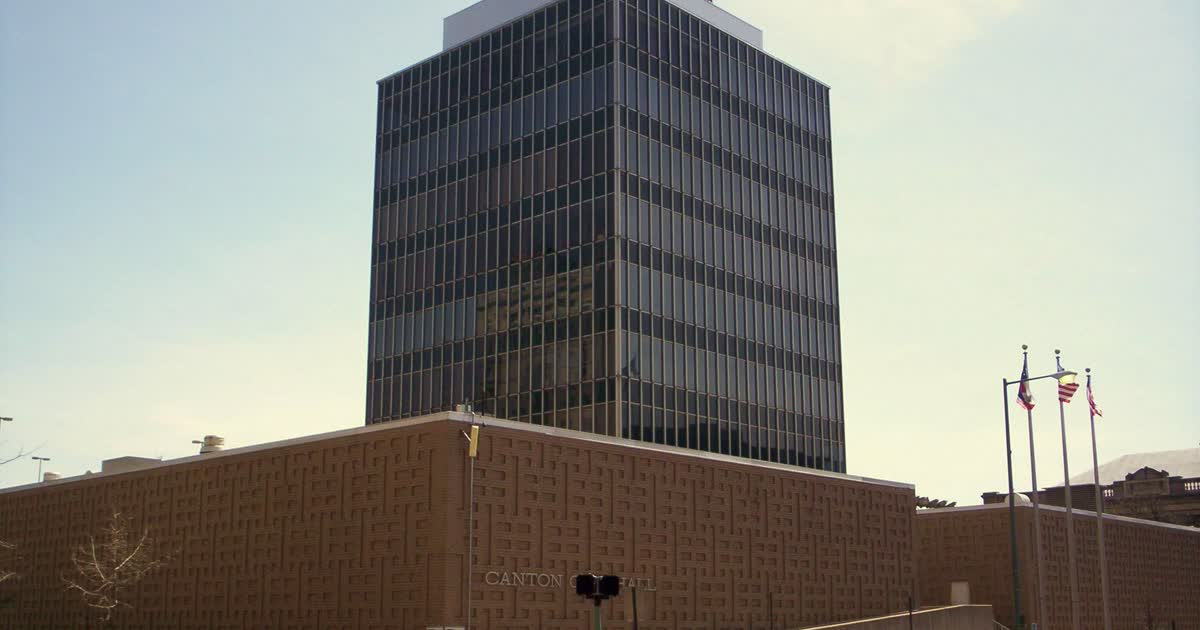
Canton City Council gives three proposed data center tax-abatement agreements their own public presentation Monday night, Nov. 2, setting aside a standalone session in Council Chambers at City Hall so residents can hear the terms — and the trade-offs — before council acts, The Canton Repository reported. Committee meetings begin at 6 p.m., followed by the data center presentation, with council’s regular meeting scheduled for 7 p.m.
Under the proposals, two hyperscale data center projects would receive 75% property tax abatements for 30 years, while a third project would receive a 75% abatement for 15 years, according to The Repository. The agreements are formally known as Community Reinvestment Area agreements, the mechanism Ohio cities use to trade reduced property taxes on new investment for the development itself and for negotiated payments back to the city.

Council Majority Leader John Mariol II explained the decision to give the deals their own stage in comments reported by The Repository: “Given that the data center issue is such a big issue that we’ve been talking about, what we plan to, is next week, have a standalone presentation for the public to view,” Mariol said. An attorney who helped negotiate the deals is expected to attend the presentation, along with city department leaders who will address zoning, planning and water issues, The Repository reported.
The city’s side of the bargain is substantial. If the deals pass, Canton would receive about $62 million over 30 years in direct service payments in exchange for the tax breaks, according to Economic Development Director Peter Zahirsky, whose figures were reported by The Repository. Zahirsky said the funds would go toward economic development, including neighborhood improvement — in effect, converting a portion of what would have been property tax revenue on the projects into payments the city can direct at its own priorities.

Data centers have become one of the most contested land uses in Ohio. The facilities — warehouse-scale buildings filled with computer servers — bring large construction projects and permanent tax base, but they also draw heavy power and water use, employ relatively few people once built, and test local zoning codes written before hyperscale computing existed. That is why the officials presenting Monday include the department leaders responsible for water and planning, and why council chose a public presentation rather than moving the agreements through a routine committee vote.
For Canton residents, the questions on the table Monday are concrete ones. How much property tax is being forgone over 15 and 30 years, and how does that compare with the $62 million in service payments? What will the projects demand from the city’s water system and electric infrastructure? And what happens to the land and the city’s finances if a project is delayed, downsized or never built? The presentation format gives residents the chance to hear the administration’s answers before any vote, rather than after.

The data center debate arrives in the middle of a busy season for big-ticket development across the Akron-Canton corridor, where NewsForce247 has covered the Akron-Canton Airport’s $6.7 million west apron project in Green and Bridgestone’s $3 million Bandag training center on its Akron campus in just the past day. Canton’s proposals are larger in structure if not in headline price: three separate agreements, two of them running for three decades, that would shape the city’s tax picture well into the 2050s.
What we know — and what we’re still waiting on: the abatement percentages and terms, the meeting schedule and the city’s $62 million service-payment estimate are confirmed from The Repository’s reporting of the city’s own figures. Still to come are the project-level details residents have not yet seen in full — the specific sites, developers, construction timelines and utility demands for each of the three projects — which Monday’s presentation is designed to put on the record.

What happens next: after Monday night’s presentation and regular meeting, the three Community Reinvestment Area agreements remain council’s to approve, amend or reject. Residents who cannot attend can watch for the presentation materials and any council action that follows; the deals, if passed, would then move from term sheets to binding agreements, and the service payments Zahirsky described would become part of the city’s long-term economic development planning.