


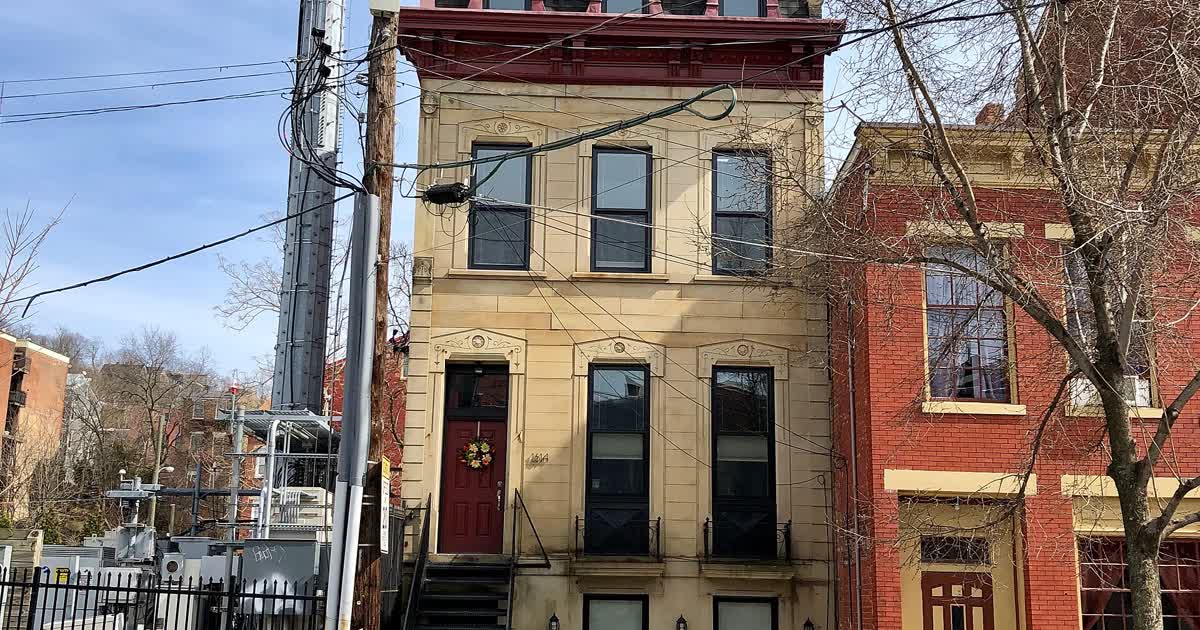
Home values are still climbing across Greater Cincinnati — just not as fast as they did three years ago. Recent reevaluations in Hamilton, Butler and Clermont counties show property values up roughly a fifth or more, according to WKRC’s report on the new auditor figures, and homeowners are now waiting to see what the new values mean for their tax bills.
Hamilton County’s auditor is releasing a three-year update covering more than 350,000 parcels this month, WKRC reported. Butler County has finalized its six-year full re-evaluation, and Clermont County completed its own six-year re-evaluation this summer.
In Hamilton County, values rose 21% overall, including a 27% increase for residential properties — down from a 34% increase in 2023, according to WKRC. Butler County values increased 20% overall, with residential properties up 19%; three years ago, Butler’s values rose 37% overall. Clermont County values increased 23% in its six-year re-evaluation.
The numbers matter because large value jumps in the past often produced large tax-bill jumps, as many homeowners learned in 2023. This time, Butler County Auditor Nancy Nix told WKRC she expects less sticker shock: “So, I don’t think it’s going to be near as drastic as it was three years ago. I would be shocked if anyone had over a 10 percent increase,” Nix told WKRC.
A newer state law may also soften the impact. WKRC reported that legislation passed by the Ohio General Assembly last year caps certain property tax increases based on inflation, limiting how much taxes can rise when a property’s value jumps significantly.
“House Bill 186, which is being referred to as the inflationary cap credits, puts a cap on the inflation area growth of the market value of your property so that you don’t see these huge spikes in your property tax bill from various levies from local governing authorities,” Hamilton County Auditor Jessica Miranda told WKRC.
Miranda also told WKRC the smaller increases could indicate the real estate market is slowing, though she described it as still strong in Hamilton County, with commercial properties continuing to sell for higher prices and the county’s triennial appraisal following the market.
Even with the inflation cap, WKRC reported, some Hamilton County property owners could still see tax increases for other reasons — including the children’s services levy voters passed earlier this month and the operating levy approved for Cincinnati Public Schools within that district. Rising utility costs are part of the same household picture: Cincinnati water bills could rise from $32.81 to $51.69 by 2031 under a separate proposal before City Council.
The reevaluations also land in the middle of a renewed statewide push to eliminate property taxes altogether. Opponents of the tax are making another attempt to place a constitutional amendment on the ballot after narrowly failing earlier this year, WKRC reported — a campaign powered in part by the big value jumps earlier this decade.
Homeowners who believe their new valuation is too high are not without recourse. Ohio law allows property owners to contest a valuation through their county board of revision and request a hearing, WKRC reported, though owners must still pay the full tax bill if it comes due before the hearing; if the value is lowered, the difference is refunded.

The sequence explains why this round feels different from 2023. That year’s updates — 34% overall in Hamilton County and 37% in Butler County — helped fuel the movement to abolish property taxes in Ohio, WKRC reported. The General Assembly answered last year with the House Bill 186 inflation-cap approach, and this year’s smaller increases are the first test of whether that cap, plus slower value growth, keeps bills steadier.

For individual homeowners, the county percentages are only the starting point: a property’s own new value, the levies attached to its taxing districts and the inflation cap together decide the actual bill. That is why two neighbors in the same county can see very different outcomes from the same re-evaluation — and why auditors are urging owners to look at their own parcel figures, not just the countywide headline, when Hamilton County’s updates arrive this month.
What happens next is in the mail and on the calendar: Hamilton County owners will see their parcel-by-parcel updates this month, tax bills will follow the new values, and anyone planning a board-of-revision challenge should gather comparable sales now, while the re-evaluation is fresh.