


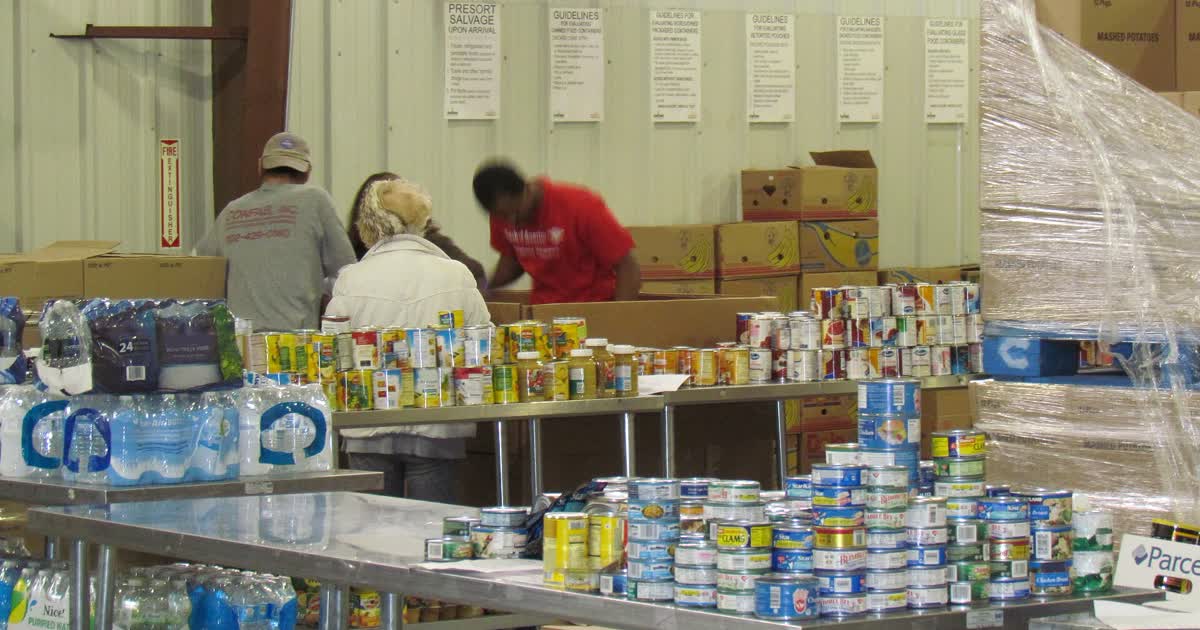
The Battle of I-75 is usually fought on the field and in the stands. This month, the University of Toledo and Bowling Green State University are also fighting it at the food pantry donation bin — and students who rely on campus food assistance win either way.
The University of Toledo Athletics Department announced Nov. 6 that it is once again teaming up with Bowling Green State University for the MAC Food Drive Initiative as part of the Battle of I-75 rivalry, according to the university’s athletics release. Toledo students and fans are encouraged to donate nonperishable food items to support the Rocket Food Pantry, which provides food assistance to University of Toledo students, the release said.

Donations will be collected at three upcoming Toledo home athletics events, giving Rocket fans multiple chances to support the initiative while cheering on their teams, according to the university. The release did not list the three events individually, and fans should watch the university’s athletics channels for the collection games and bin locations.
The drive turns one of Ohio’s most familiar college rivalries into a friendly contest with a practical prize: fuller shelves. Toledo and Bowling Green sit about 25 miles apart on Interstate 75, and their rivalry — the Battle of I-75 — spans football, basketball and every other sport the two Mid-American Conference schools share. In recent years the competition has repeatedly spilled off the field into service: the schools previously ran the “Clash of the Cans” food drive against each other, and last fall’s edition collected canned goods for what Toledo now calls the Rocket Food Pantry, according to University of Toledo releases.


Campus food pantries exist because food insecurity among college students is real and often invisible. Toledo’s student pantry has been a heavily used resource: the university reported 4,184 total visits to its student food pantry during the 2024-25 school year in its release for last year’s rivalry food drive. Every donated can, box of pasta or jar of peanut butter at a rivalry event goes directly toward keeping that resource stocked for students who are balancing tuition, rent and groceries.
There is also a timing reason the drive lands in November. Campus pantries typically see demand climb as the semester wears on, meal-plan balances run low and the holidays approach, and a rivalry-week collection puts donation bins in front of the largest crowds of the fall — fans who were already coming to a game and need only bring a bag of groceries with them.
The initiative also gives both universities a way to channel rivalry energy that lasts longer than a Saturday. A trophy changes hands for a year; a stocked pantry shelf feeds a student next week. Athletics departments run these drives because athletes themselves are often the first to see which teammates are quietly skipping meals, and a department-wide collection turns that awareness into food.
Toledo is not the only MAC school turning rivalry week into a food drive this fall. Eastern Michigan University athletics announced Oct. 21 that it is competing against Central Michigan in the conference’s 2026 rivalry canned food drive, with donations supporting its campus pantry through Nov. 20, according to Eastern Michigan athletics. The conference-wide pattern gives the Toledo–Bowling Green contest a bigger frame: across the MAC, November rivalry games are doubling as collection points for student hunger relief.
For fans, the ask is simple. Bring nonperishable food items — the shelf-stable staples a student pantry can store and distribute — to one of the three upcoming Toledo home events where donations are being collected, and the rivalry does the rest. Bowling Green fans will be doing the same for their own campus community, and the two schools will compare results the way they compare scoreboards.
What happens next: collections run at the three designated Toledo home events, after which the universities can tally what the Battle of I-75 produced for their pantries. However the rivalry count comes out, the food stays local — on Toledo shelves, for Toledo students. It is the rare rivalry result both sides can feel good about, and a reminder that the best traditions in college sports are the ones that feed people. Related coverage: Findlay Helping Hands drive collects 300,299 pounds of food for Hancock County.