


ATHENS, Ohio — Ohio University has received a $45,000 grant from The Stream and Wetlands Foundation to fund three years of historical wetland research, The Post, Ohio University’s student newspaper, reported in its November 24, 2026, issue.
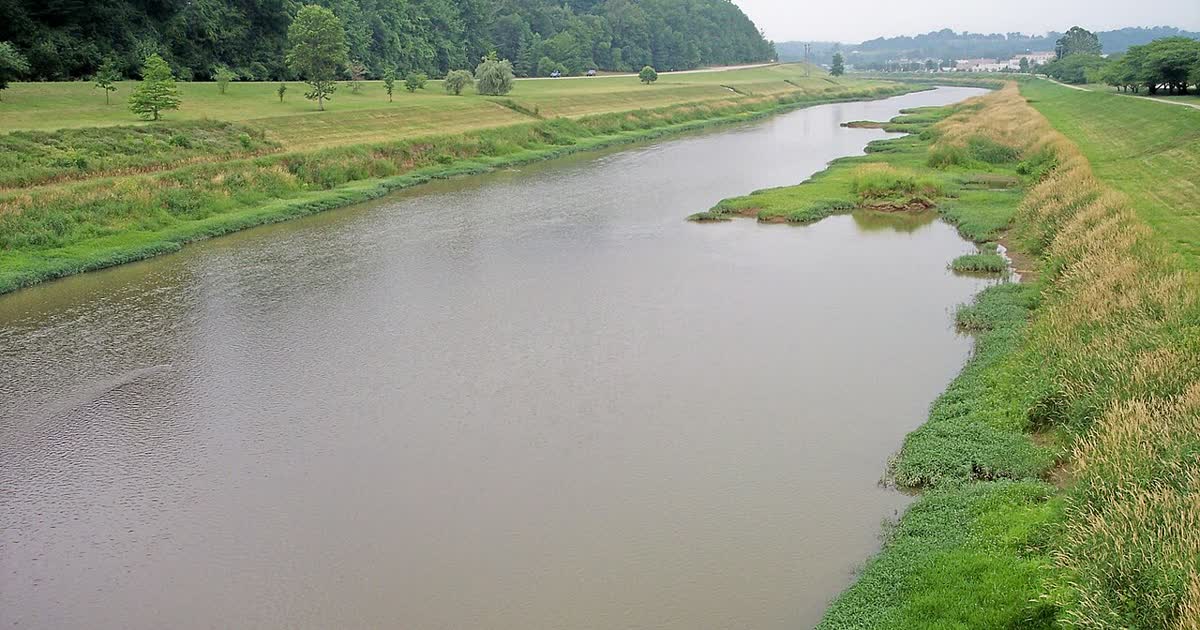
The grant went to researcher Joseph Gingerich for archaeological research on Ohio wetlands, The Post reported. The work centers on landscapes like the Big Bailey Wetland along Big Bailey Run Road in the Wayne National Forest outside Chauncey, pictured on The Post’s front page — a marshy stretch of Athens County where the region’s wetland history is written into the ground itself.
Wetlands are working infrastructure in Southeast Ohio: they hold floodwater back from towns along the Hocking River, filter the water that runs off farms and roads, and shelter wildlife that exists nowhere else in the region. Research into how those wetlands formed, how people used them and what they looked like before drainage and development is the kind of baseline knowledge that restoration projects are built on.
The funder is a familiar partner in Athens. The Stream + Wetlands Foundation has partnered with Ohio University’s Voinovich School of Leadership and Public Service for a decade, supporting student research in watershed and wetlands programs and applied projects through the school’s Master of Science in Environmental Studies program, the foundation said. Past foundation-supported Ohio University work has ranged from invasive cattails and pollinator growth along the Hocking River to water quality monitoring at wetland construction sites, the foundation said.
That history makes the Gingerich grant a continuation as much as a beginning: three years of funding for historical and archaeological wetland research, layered onto a university where graduate students are already in the field measuring what Ohio’s wetlands do today.
The research also lands as wetland policy stays in motion across Ohio — the state’s H2Ohio program has spent years building and restoring wetlands for water quality, and every restoration plan needs to know what a site was before it can decide what the site should become. Historical research is the slow, unglamorous work that makes those decisions defensible.
What happens next is the research itself: three years of funded work by Gingerich and Ohio University on the history of Ohio wetlands, with the findings feeding the region’s ongoing restoration and watershed work.
Photo: Tim Kiser, CC BY-SA 2.5