


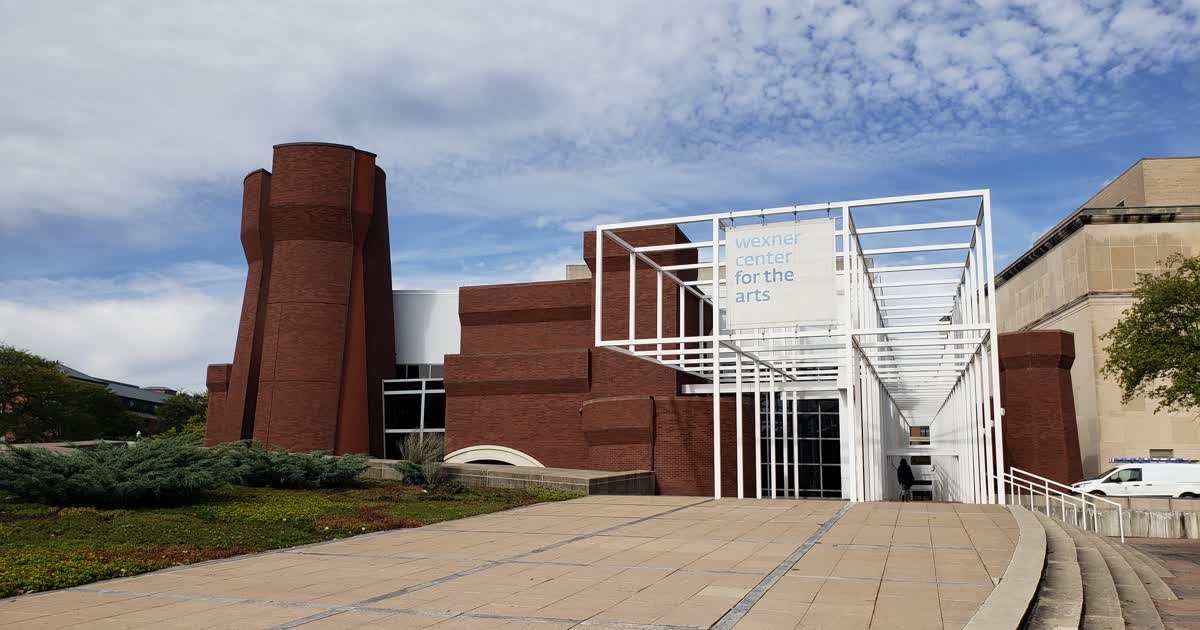
Ohio State University will keep billionaire donor Les Wexner’s name on its campus buildings, after Interim Provost Trevor Brown decided on Friday, November 6, not to move forward with a fuller review of requests to remove it, according to The Columbus Dispatch. Brown responded to the university’s naming review committee on Friday morning, closing — for now — a process that drew 512 requests from alumni, employees and students in the first nine months of 2026 alone, the Dispatch reported.
The committee had recommended on October 7 that a full review occur into three sets of allegations related to Wexner: his relationship with convicted sex offender Jeffrey Epstein, alleged personal sexual misconduct, and alleged abusive employment practices at his businesses, according to the committee’s report cited by The Columbus Dispatch. The committee said its recommendation was based solely on the documentation submitted by the requesters — some 6,000 pages of supporting material across nine categories of claims, The Columbus Dispatch reported.

Brown, who had 30 days to respond, explained his reasoning in a letter to the committee, reported by The Columbus Dispatch. “In making my decision, I do not have the same constraints as the committee and may consider the broader context and availability of additional evidence,” Brown wrote in the letter reported by The Columbus Dispatch. “I have concluded that further review should not proceed at this time.”
The provost’s central point was evidentiary. Ohio State’s naming review procedure requires “substantial evidence” of misconduct to justify an assessment of gross reputational harm, Brown wrote, according to The Columbus Dispatch. “As your report makes clear, Mr. Wexner has faced allegations of misconduct but has never been charged with or convicted of a crime,” Brown wrote in the letter reported by The Columbus Dispatch. “Mr. Wexner has denied these allegations, including under oath, and if I were to ask the committee to conduct further review, you would be in the nearly impossible position of searching for substantial evidence of misconduct where law enforcement entities, Congressional committees and international media outlets have not discovered such evidence.”

Brown added that the committee “is not and was never intended to become an investigatory body like a law enforcement or auditing organization,” with no authority to subpoena witnesses or access private records, according to The Columbus Dispatch. He noted the procedure allows a further review “should new information become available” — if substantive evidence becomes publicly available, the university could return the matter to the committee for an updated recommendation, The Columbus Dispatch reported. For now, Brown said, the committee’s work is done.
The names at stake are among the most prominent on the Columbus campus. Wexner, the New Albany retail mogul and former university trustee, has given more than $200 million to Ohio State since graduating in 1959, according to The Columbus Dispatch. A 2011 donation supported a major expansion of the university’s health care infrastructure, including the medical center that now bears his name, and his name is also on the Wexner Center for the Arts, the campus museum founded with $25 million from Wexner in honor of his father, The Columbus Dispatch reported.

The scrutiny followed the emergence of more detail about Wexner’s deep ties to Epstein, the disgraced financier and convicted sex offender who died in 2019, according to The Columbus Dispatch. Wexner has for years accused Epstein of stealing tens of millions of dollars from him and denied knowledge of Epstein’s abuse and trafficking, The Columbus Dispatch reported. In late January, Ohio State officials rejected a separate request by an alumnus to consider removing Wexner’s name from the football facility at the Woody Hayes Athletic Center, and the university received some 300 requests in February alone calling for the name’s removal, according to The Columbus Dispatch.
Ohio State created its naming review procedure in 2023 after members of Undergraduate Student Government introduced resolutions to rename several campus spaces they said did not align with the university’s mission, according to The Columbus Dispatch. This is the second renaming request the university has declined this year: in August, the committee decided not to act on a request to remove former president William Oxley Thompson’s name from the library, The Columbus Dispatch reported. Ohio State remains a campus in the headlines this fall for happier reasons as well, from the marching band’s trip down Broadway to the Schottenstein Center’s Friday entertainment announcement.

What we know — and what we’re still waiting on. We know the provost has declined a fuller review, the committee’s work is closed for now, and Wexner’s name stays on the medical center, the Wexner Center for the Arts and other campus spaces. We know the decision rests on the absence of what Brown called substantial evidence of misconduct, and that Wexner has never been charged with or convicted of a crime and has denied the allegations, including under oath, according to The Columbus Dispatch. We are still waiting on reaction from the requesters and campus groups who pressed for removal, and on whether any new public information emerges that could reopen the process under the procedure Brown cited.
Ohio State President Ravi Bellamkonda had said in August that he hoped to have a decision on the Wexner name by the end of the year, according to The Columbus Dispatch — Friday’s letter delivers that decision ahead of the holidays. What happens next is governed by the door Brown left open: the naming review procedure allows the committee to conduct a further review should new information become available. Absent that, Friday’s decision stands, and one of Ohio State’s most consequential naming fights ends the year where it began — with the Wexner name on the buildings.
Photo: RightCowLeftCoast, CC BY-SA