


Direct investment in Ohio’s shale energy industry rose about 25 percent to $3.6 billion in the second half of 2025, according to a new study released Tuesday, November 17 — and for the first time, the biggest new money in the industry is flowing not to drilling, but to power plants being built to burn Ohio gas.
The study, from Cleveland State University’s Levin College of Public Affairs and Education, is the latest edition of the biannual Shale Investment Dashboard commissioned by JobsOhio, which captures direct spending across the upstream, midstream and downstream segments of the industry. Cumulative shale investment in Ohio over the last 15 years now stands at about $121 billion, according to the release issued through Globe Newswire.
Downstream investment totaled approximately $619 million in the second half of 2025 — a turning point, the release said, after downstream investment totaled just $300,000 in the first half of 2025. The money is concentrated in four natural gas power plants that began construction in Licking County with a combined 736 megawatts of capacity: Williams’ Socrates North and Socrates South facilities, at 200 megawatts each, and EdgeConneX’s PowerConneX New Albany 1 and 2 facilities, at 120 and 216 megawatts.
The half-over-half climb has been building for a year. In the first half of 2025, Ohio’s shale sector drew approximately $2.9 billion in direct investment, pushing cumulative investment since 2011 to nearly $117.5 billion at that point, according to JobsOhio’s June 2026 release of the previous dashboard. Upstream activities — drilling, roads, lease operating expenses, royalties and lease bonuses — accounted for approximately $2.7 billion of that first-half total, which makes the second half’s downstream surge a genuine change in where the money goes, not just more of it.
Midstream investment — the pipelines and processing that move gas from wellheads to customers — reached approximately $409 million, more than double the $161 million invested in the first half of 2025, according to the dashboard. That total includes $152 million for new lines that deliver natural gas directly to power plants, a sign that the industry’s center of gravity is shifting from simply producing gas to generating electricity with it.
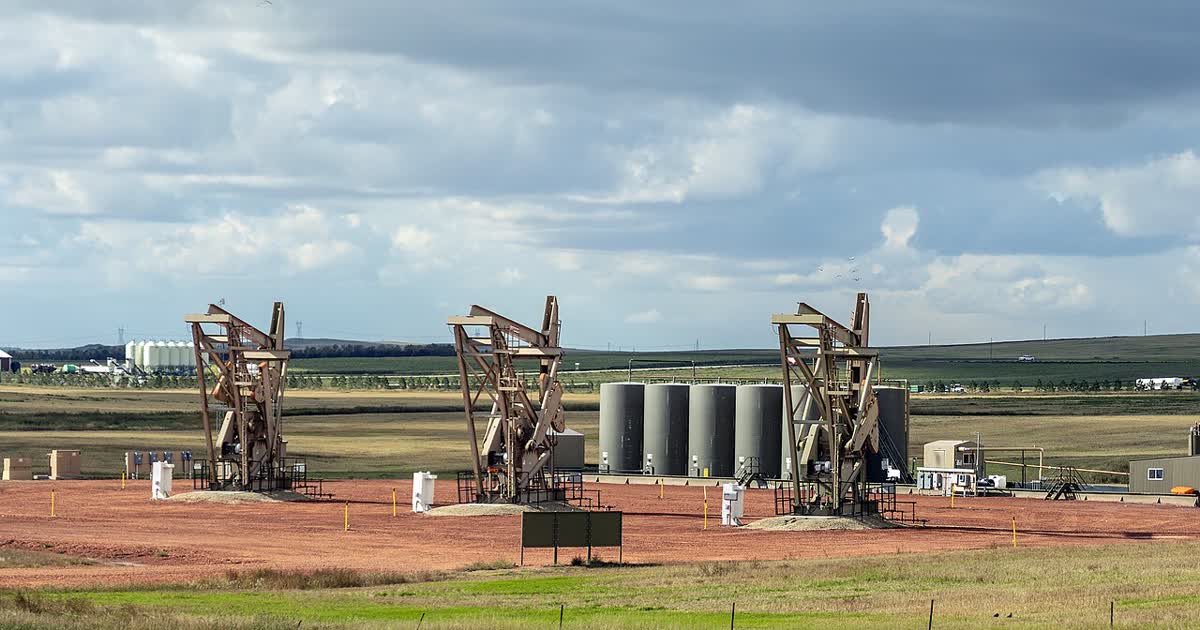
Upstream, the drilling map still runs through eastern Ohio. Harrison County led the state with 34 new wells, followed by Guernsey County with 20 and Carroll County with 18, according to the dashboard figures in the release. Those three counties, along with Belmont County, sit over the heart of the Utica shale play that has driven Ohio’s energy economy for a decade and a half.
What we know — and what we’re still waiting on
What is confirmed: the $3.6 billion second-half total and its roughly 25 percent rise over the first half of 2025; the $619 million downstream figure and the four Licking County plants under construction; the $409 million midstream total; and the county well counts led by Harrison, Guernsey and Carroll — all from the Cleveland State University dashboard as released by JobsOhio. What remains to be seen is how much of the planned build-out — 10 more gas power plants planned across Ohio through 2028 — reaches construction on schedule, and how the new plants’ demand for gas reshapes prices and royalties for eastern Ohio landowners.

The planned projects are large. They include Chestnut Run Energy in Carroll County, at 1,300 megawatts, and three additional Williams facilities in Wood and Licking counties, according to the release. In July, Ohio was named the number one state for business in CNBC’s 2026 America’s Top States for Business rankings, a point the release noted alongside the investment figures.
The dashboard’s shift matters for communities far from the well pads. Power plants bring construction jobs, long-term plant jobs and new property tax base to the counties that host them, while the pipelines feeding them cross farm country in between — the same trade-offs Ohio communities have weighed since the first Utica wells were drilled, now arriving at a much larger scale.
The Shale Investment Dashboard will continue to be updated every six months, according to the release, offering policymakers, investors and communities a running measure of capital flow in the industry.
What happens next: construction continues on the four Licking County plants totaling 736 megawatts, the next dashboard update in about six months will show whether the downstream surge held, and the 10 additional planned plants — led by the 1,300-megawatt Chestnut Run Energy project in Carroll County — move through permitting and financing toward their planned 2028 horizon.
Photo: Acroterion, CC BY-SA