


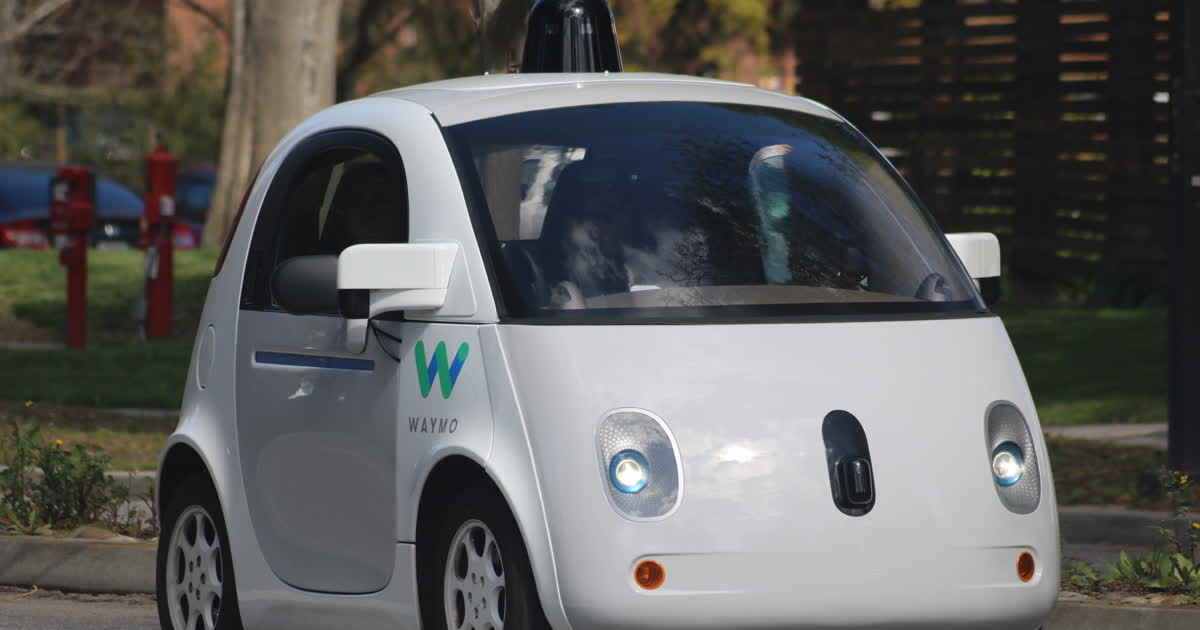
COLUMBUS, Ohio — Ohio lawmakers are weighing the state’s first comprehensive law for driverless vehicles: House Bill 1034, introduced by Representative Adam Holmes, a Republican from Nashport, would authorize fully autonomous vehicles to operate on Ohio’s public roads and highways and set statewide guardrails for the industry, according to the bill’s text on the Ohio Legislature’s website.
The bill, introduced on October 28, 2026, and referred to the House Transportation Committee on November 10, 2026, would let a fully autonomous vehicle operate without a human driver when it meets the conditions the bill sets, according to the Ohio Legislature’s bill page. When a human is inside while the automated system is running, that person would have to watch the road and be ready to take control immediately, Land Line Media reported in its November 25, 2026, analysis of the proposal.
Manufacturers would have to publish and maintain a first-responder interaction plan for every driverless vehicle they run in Ohio, the bill text says. The plan must explain how to reach a fleet support specialist at all times, how to recognize whether the vehicle is in autonomous mode, and how to safely remove and tow it after a crash, according to the bill.
Insurance and liability are spelled out as well. A fully autonomous vehicle carrying passengers or goods for compensation would have to be covered by a primary automobile insurance policy that recognizes that use, the bill text says, and summaries of the bill put the required coverage for rideshare trips at $1 million.
The proposal also reaches freight. It would change Ohio’s following-distance rules to make room for truck platoons — groups of up to three connected vehicles traveling close together — on state and interstate highways, with an operating plan filed with the Ohio Department of Transportation and signs identifying the platoon, Land Line Media reported.
Cities and counties would be barred from adopting their own conflicting rules or local bans on driverless vehicles, according to the bill, though airport operators could still charge reasonable fees and designate pickup and dropoff locations. Statewide uniformity is the point: one set of rules from Lake Erie to the Ohio River instead of a patchwork of local ordinances.
Ohio’s current framework for testing self-driving vehicles rests on a 2018 executive order rather than a statute, and Holmes’s bill would replace that patchwork with legislation covering registration, insurance, and responsibility for traffic violations when the automated system is engaged. The Statehouse has moved on major bills quickly before — our coverage of a bill signing earlier this fall shows the pace a measure can take once it clears committee — and road policy is active on other fronts too, including Cincinnati Metro’s winter service changes taking effect December 6, 2026.
What we know — and what we’re still waiting on: confirmed are the bill’s sponsor, its October 28, 2026, introduction, its November 10, 2026, committee referral, and the provisions in its introduced text. What is not known is whether the committee will hold hearings this year — Land Line Media reported the bill is not expected to advance before the end of the year and is expected to be introduced again early next year.
What happens next is the House Transportation Committee’s call: a first hearing would bring manufacturers, trucking groups, insurers, and safety advocates to the Statehouse to testify on whether Ohio is ready to write driverless vehicles into law.
Photo: Grendelkhan, CC BY-SA