


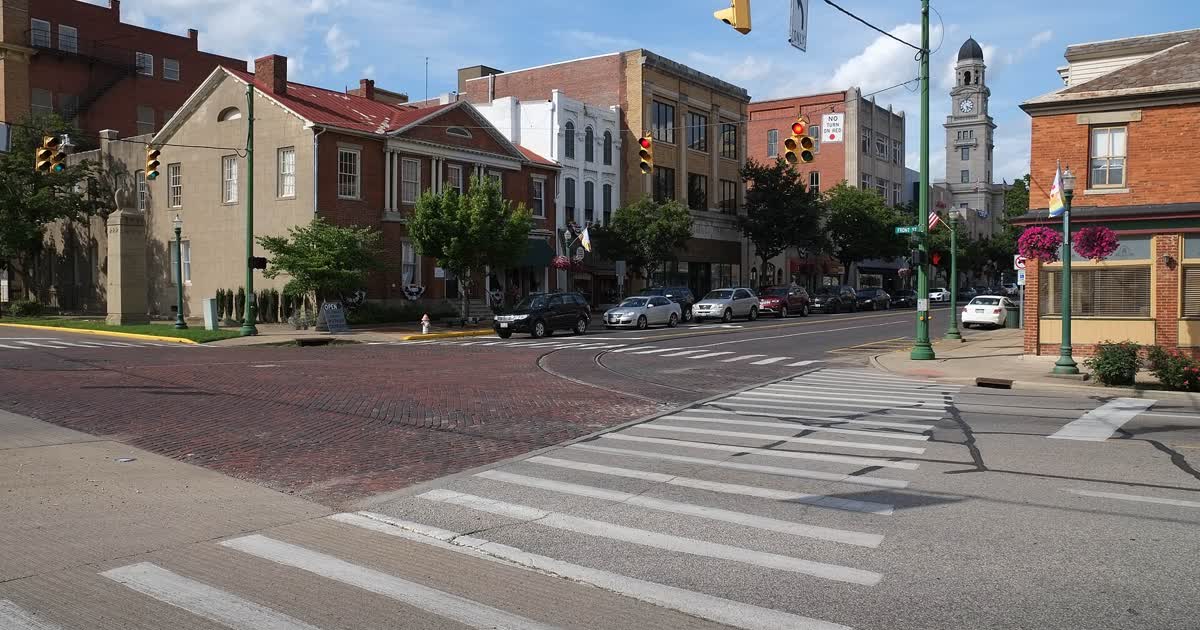
An independent consultant has begun assessing private water wells in Washington County, where state regulators concluded that wastewater injection wells pushed brine underground with enough pressure to force fluid into nearby oil and gas wells, the Ohio Department of Natural Resources told The Columbus Dispatch.
“Great Lakes Environmental Center has begun the private water well assessment process,” the Ohio Department of Natural Resources (ODNR) said in a statement to The Columbus Dispatch. “ODNR plans to release the full report once that work is complete.” The agency gave no timeline for the assessment.

The four injection wells at the center of the investigation have been shut down since early July 2026, ODNR told The Columbus Dispatch. Injection wells dispose of brine — the salty wastewater produced alongside oil and gas — by pumping it deep underground, and Washington County, home to Marietta, sits in the heart of Ohio’s Appalachian oil and gas country, where disposal wells have drawn years of local debate.
That distinction between city water and private wells is why this assessment matters to a specific set of households. Marietta’s municipal system draws and treats its water under state testing rules, but homes outside the city system — across Warren Township and the surrounding countryside — rely on private wells that no utility monitors. If brine migrated far enough to reach those wells, only a well-by-well assessment like the one now underway would find it.
The chain of events began in October 2025, when a Washington County oil and gas well owner reported higher pressure in his wells, The Columbus Dispatch reported. State inspectors found elevated pressure and fluid in the wells, and ODNR said it ruled out other potential causes before concluding that nearby injection wells were responsible for the migration.

The agency drafted suspension orders in June 2026, and the operators agreed on July 1 and July 2, 2026 to stop injecting wastewater at four wells: Redbird Development’s Redbird Nos. 4 and 5, DeepRock Disposal Solutions’ American Growers No. 1 and Select Water Solutions’ Nichols No. 1-A, according to The Columbus Dispatch.
For Marietta-area residents who draw their drinking water from private wells, the central question is whether the migrating brine reached groundwater. In August 2026, The Columbus Dispatch reported that a previous state investigation found no effects on private water wells. The new assessment by Great Lakes Environmental Center is the follow-up residents and local officials have pressed for, and some have called on the state to stop approving new injection wells until the effects are studied more closely, The Columbus Dispatch reported.
Washington County commissioners discussed the state’s report at their November 12, 2026 meeting, The Marietta Times reported. ODNR told The Columbus Dispatch the report contained no new findings beyond what the agency shared in August.
Since the shutdowns, ODNR has installed equipment to continuously measure pressure at several affected oil and gas wells, and inspectors continue to visit the affected wells weekly, the agency told The Columbus Dispatch. “Monitoring and data collection are ongoing, and ODNR is continuing to evaluate the information being gathered before reaching conclusions regarding long-term trends or determining next steps,” the agency’s statement read.
What we know — and what we’re still waiting on: What is confirmed is the sequence — a well owner’s October 2025 pressure report, a state investigation that ruled out other causes and pointed to the injection wells, suspension orders, and four wells shut since early July 2026 — and that a private-well assessment is now underway. What is not yet known is what the assessment will find, when ODNR will release it, and whether any of the four wells will ever be allowed to resume injecting.
The agency said it will use the private water well assessment and other available information to decide whether further investigation is warranted. For households near the affected wells, that report — not the monitoring data the state is still reviewing — is the document that will answer whether their water was ever at risk.
What happens next is the completion of the Great Lakes Environmental Center assessment and ODNR’s release of the full report, which the agency has promised but not dated. Until then, the four wells stay shut, the weekly inspections continue, and Washington County’s long argument over how Ohio disposes of oil and gas wastewater runs through one county’s well water.
Photo: pasa47, CC BY 2.0