


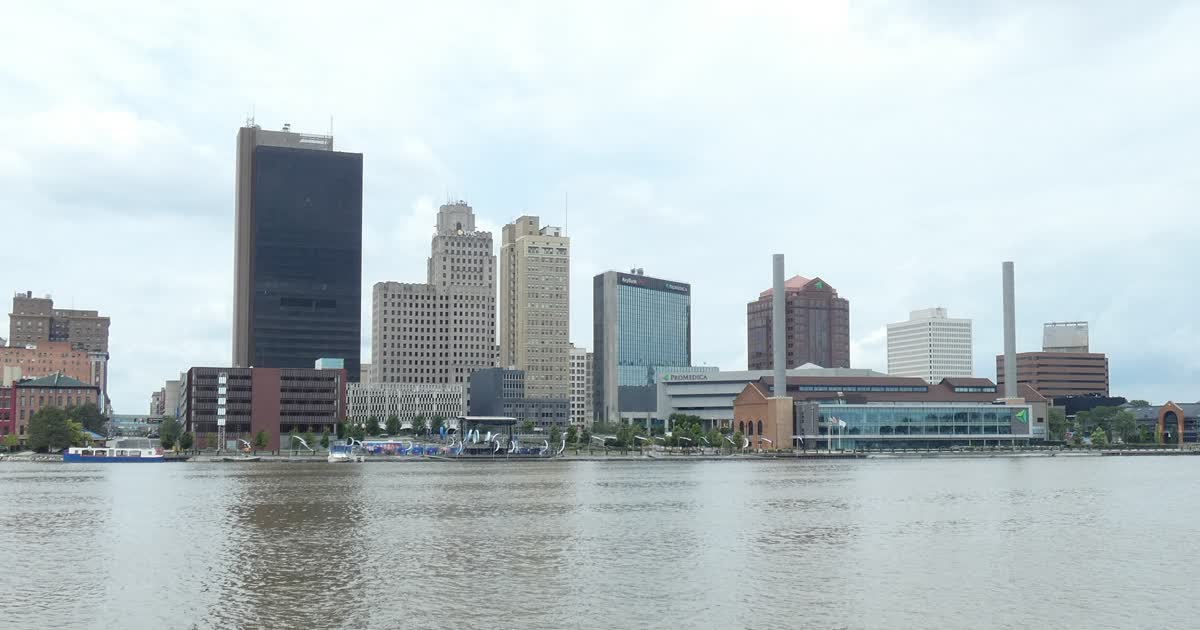
TOLEDO, Ohio — North Toledo residents still reporting headaches, nosebleeds and breathing trouble more than a month after a chemical leak forced nearly 1,000 people from their homes pressed their health questions at an online town hall on Wednesday, November 25, 2026, where independent environmental researchers urged them to take precautions the federal government’s all-clear has not included.
The town hall, held over Zoom with a couple dozen residents taking part, was hosted by Scott Smith, an independent Massachusetts-based scientist with the Blue Shirt Justice League, a group that tests at industrial accidents nationally, The Toledo Blade reported in its coverage of the event, carried by Daily Advent. Smith said his group held the session “due to the amount of residents reaching out” about last week’s reporting on the leak, The Toledo Blade reported.

The leak happened on October 20, 2026 at MC Tank Transport, 1266 Progress Avenue in North Toledo, when glycidyl methacrylate — a plastics chemical — escaped from the facility. About 1,000 residents were evacuated and more than 50,000 people were told to shelter in place, and a shelter-in-place order issued after the leak has since been lifted.
Smith told residents, as The Toledo Blade reported, that federal officials had not looked for formaldehyde, a potential byproduct of the leaked chemical: “EPA declaring things safe, and then the media reports things safe, and they haven’t looked for formaldehyde; that’s not helpful for the community … if the people are still breathing in that formaldehyde and reporting health symptoms,” he told The Toledo Blade.
The U.S. Environmental Protection Agency’s position differs. The agency said its air monitoring and sampling had not detected glycidyl methacrylate or other hazardous chemicals above risk-based screening levels, and it stopped monitoring and sampling at 11:00 PM on Monday, November 23, 2026, The Toledo Blade reported. Independent researchers, including scientists from Kansas-based Spectral Systems Integration, say their testing found elevated levels of formaldehyde in the air.
Attorney Mindy Bish, the event’s co-host and managing partner of the Atlanta-based Keenan Law Firm, which funds Smith’s independent testing, urged residents to see a doctor if they have symptoms such as prolonged coughing, throat irritation, shortness of breath, headaches, nosebleeds or dizziness, The Toledo Blade reported. She also urged residents to avoid joining class-action lawsuits, arguing the attorneys involved often benefit from settlements — even as at least two class-action lawsuits have already been filed over the leak, The Toledo Blade reported.
What we know — and what we’re still waiting on
What is confirmed is the split between the two sets of readings: the U.S. EPA’s monitoring found no glycidyl methacrylate above screening levels before it ended sampling on Monday, November 23, 2026, while the independent researchers say they detected elevated formaldehyde. What has not been established is any official finding that formaldehyde from the leak is making residents sick, and the Toledo-Lucas County Health Department still has no system for residents to log their symptoms, a gap raised at Toledo City Council’s November 19, 2026 discussion of the leak.
MC Tank Transport and Kenan Advantage Group, the North Canton company that acquired it in 2025, have not responded to the lawsuits, The Toledo Blade reported; the companies have said in prior statements that they regret the incident and are cooperating with authorities.
For North Toledo families, the practical question the town hall circled is a simple one: whether to trust the federal screening numbers or their own symptoms. Health officials’ standing advice for anyone with exposure symptoms is to seek medical care and document when the symptoms began.
What happens next is the litigation and the cleanup oversight: the class-action cases are pending in Lucas County, the Ohio EPA leads the cleanup phase, and residents who believe they were exposed are being told by both sides to keep records of symptoms and medical visits.
Photo: MrJacon000, CC BY-SA