


Muskingum County’s books look better than its commissioners expected when they built the 2026 budget late last year, with two revenue windfalls giving the county room to absorb costs it never planned for, Commissioners Cindy Cameron, Drake Prouty and Melissa Bell told the Zanesville Times Recorder.
The first windfall came from local shopping. An increase in local sales raised the county’s sales tax revenue by about $1 million more through September than during the same period in 2025, the commissioners told the Times Recorder. The second came from the county’s own investments, where higher returns brought in almost $600,000, the Times Recorder reported.
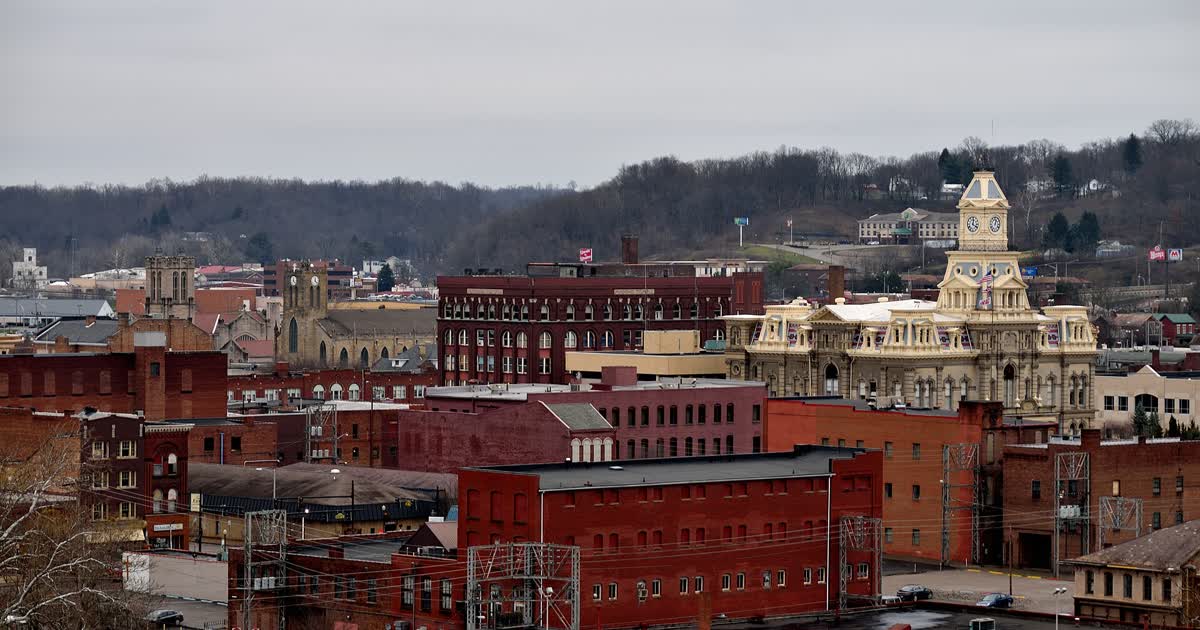
The extra money has already been put to work. The county committed $750,000 to downtown Zanesville infrastructure improvements, including removing power structures and steel towers in alleys and underground utility work, according to the Times Recorder’s reporting.
The commissioners also pointed to spending the windfalls made possible outside downtown. The county did not plan on a $2 million investment in the county engineer’s office when it made the 2026 budget, but the need to upgrade equipment for road and bridge maintenance — mowers, trucks, chip-and-seal machines and rollers — was great, they told the Times Recorder.
For residents, the practical effect is flexibility: stronger-than-expected revenue lets the county cover an unexpected cost, from a bridge repair to an equipment failure, without immediately turning to cuts elsewhere or to reserves.
The commissioners have begun discussions on the 2027 budget, the Times Recorder reported. They hope to have it completed by their final session day of 2026, which is Dec. 28 — the next concrete step for anyone tracking how much of this year’s windfall carries into next year’s spending plan.
The windfalls continue a pattern the Times Recorder documented when the county adopted its 2026 budget: revenue had already jumped about 12% in the commissioners’ estimates, from $40.97 million in 2025 to an estimated $45.99 million in 2026, helped by sales tax growth and stronger collection of delinquent real estate taxes, the Times Recorder reported at the time. The 2026 budget itself was set at about $54.65 million.
That history is why the commissioners describe this year’s extra $1.6 million as flexibility rather than a spending spree: it arrived on top of a budget that already absorbed more than $2 million in salary increases, and it is being steered to one-time needs — downtown infrastructure and engineer equipment — rather than to new recurring obligations.
Photo: Thesteeleisreal, CC BY-SA