


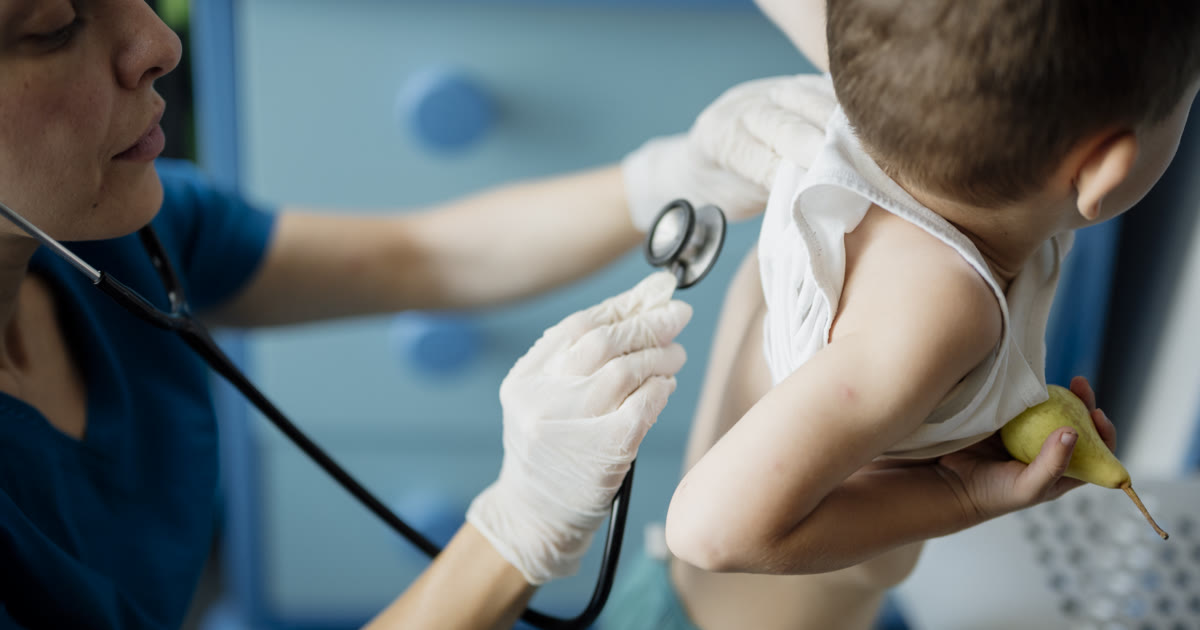
Marion County will receive funding for a new school-based health center as part of a more than $55 million investment aimed at expanding health care access for children and families in rural Ohio, according to an announcement from Gov. Mike DeWine and the Ohio Department of Health reported Nov. 5 by the Marion Star.
The Marion site is one of 17 new school-based health center sites in 15 counties. More than $20 million will support those 17 new sites along with the expansion or continued operation of another 49 centers in 25 counties, according to the announcement reported by the Marion Star and the Mansfield News Journal.

School-based health centers provide primary care services on school campuses, a model state officials say eliminates some of the transportation and provider-access barriers rural families face when the nearest doctor’s office is a long drive away. The centers also serve people living in the surrounding community, not just enrolled students, according to the Marion Star’s reporting on the announcement.
For a county like Marion, that model matters because a health visit stops being a half-day project. Care located where children already spend their weekdays means less time out of class, less time away from work for parents, and a better chance that small problems — an earache, a sore throat, a missed vaccination — get handled early instead of turning into emergency-room visits later.

The Marion investment sits inside a broader package funded through the federal Rural Health Transformation Program. More than $18 million, on top of existing state funding, will expand OhioSEE to all 88 Ohio counties, according to the Marion Star. In the 73 counties eligible for Rural Health Transformation Program funding, OhioSEE will serve students in kindergarten through 12th grade.
OhioSEE brings eye care directly into schools through mobile vision vans or temporary clinics, where students can receive comprehensive eye exams from optometrists and glasses when they need them. DeWine launched OhioSEE in January as a 15-county pilot, and the program has since expanded to 252 public school districts, with 91% of eligible public school districts in the pilot area participating, according to the Marion Star.

The state also plans to invest more than $17 million in oral health initiatives, including the new OhioDENTAL program, which will use mobile dental vehicles or temporary clinics inside schools to provide dental services and connect patients with permanent clinics. The funding also supports oral health training and education for primary care professionals and a new collaborative intended to increase the number of Ohio dentists who accept Medicaid, according to the Marion Star.
“Oral health is a vital part of one’s overall health,” Ohio Department of Health Director Bruce Vanderhoff said in the announcement reported by the Marion Star. “Untreated tooth decay can impact a child’s eating, sleeping and other everyday activities, and eventually could lead to tooth loss or other more serious complications. Therefore, creating programs like these that can reach children at an early age will be a real game-changer and lead to a healthier Ohio,” Vanderhoff said in the announcement reported by the Marion Star.

The funding announced this week is the latest step in a longer sequence. Ohio previously received $202,030,262 from the federal government for the Rural Health Transformation Program, and earlier rounds included $10 million for the rural health workforce, $3.15 million for pharmacy connectivity and $92 million to expand preventive, primary, maternal and behavioral health care in rural areas, according to the Marion Star. The latest funding comes from the Centers for Medicare & Medicaid Services through the U.S. Department of Health and Human Services.
Marion has already been building in this direction. In August, the Marion Star reported that Marion City Schools’ board had approved a partnership with Center Street Community Health Center to establish a school-based health center at Grant Middle School, funded by a $550,000 Ohio Department of Health grant to renovate the school’s old orchestra room, with the center expected to open this fall. Whether the newly announced Marion County site is that project or an additional location is not yet clear.
What we know — and what we’re still waiting on
What we know: Marion County is confirmed as one of the 15 counties receiving a new school-based health center site in a round worth more than $20 million for new and existing centers statewide, part of a package totaling more than $55 million that also expands school vision services to all 88 counties and launches a statewide school dental program. What we’re still waiting on: the announcement did not identify where in Marion County the center will be located, how much funding the Marion site will receive, which provider will operate it, or when it will open — and it did not say how the new site relates to the Grant Middle School center already in development.
What happens next is the local detail work. The Ohio Department of Health and its local partners will need to identify the Marion County site and operator and release a Marion-specific funding figure, and Marion families should watch for announcements from their school districts about where the center will be housed and when services begin. Statewide, the OhioSEE expansion and the rollout of OhioDENTAL’s mobile dental services will proceed alongside the new health centers, giving Marion County parents new school-based ways to get their children checked, fitted for glasses and seen by a dentist in the months ahead.
Photo: Shixart1985, CC BY