


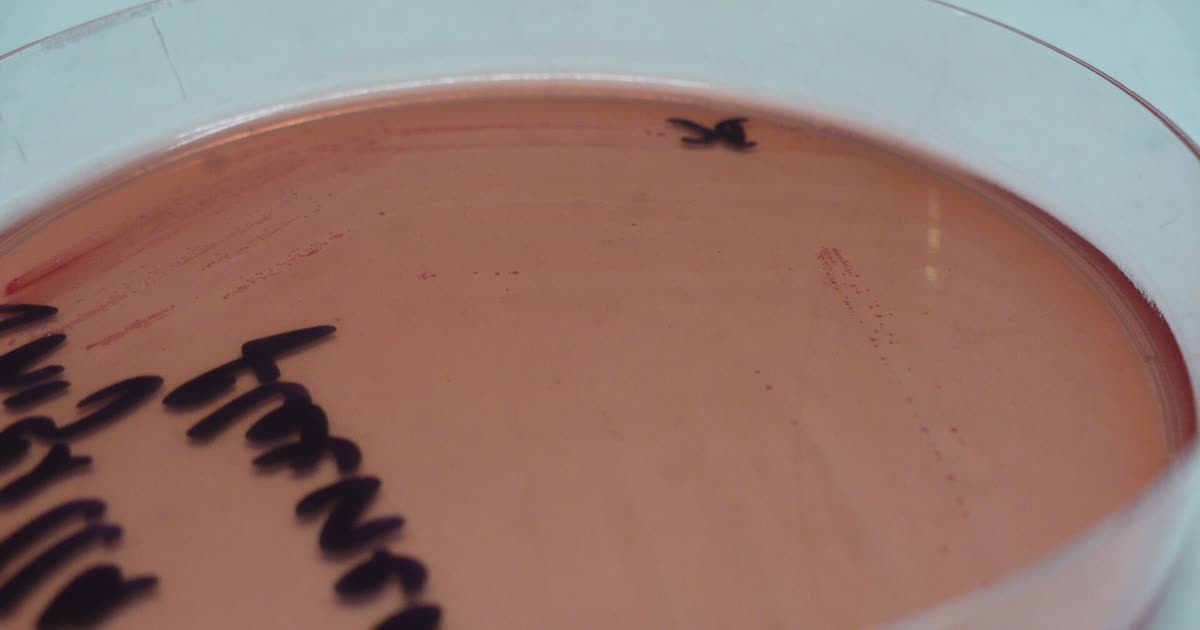
Franklin County is leading Ohio in cases of shigellosis, a highly contagious diarrheal illness caused by Shigella bacteria, as the statewide total climbs toward 400 for the year, according to data from the Ohio Department of Health reported by The Columbus Dispatch.
Ohio had reported 383 cases of shigellosis in 2026 as of Oct. 26, according to the Ohio Department of Health figures cited by The Columbus Dispatch. That is up from 360 cases reported through Oct. 8, and it is already approaching the 395 cases reported in all of 2025, with more than two months left in the year.

Franklin County accounted for 122 of those cases, by far the most of any county in the state, according to the state health department data. Cuyahoga County followed with 45 cases, Summit County reported 28, and Hamilton County reported 23, showing the illness is concentrated in Ohio’s largest metro areas but present well beyond Central Ohio.
The state reported 26 new cases in October alone, compared with 10 reported by Oct. 8, according to the Ohio Department of Health. Among Ohio cases this year, the median age was 39, men accounted for 258 cases, or 67.4 percent, and women accounted for 125 cases. Hospitalizations totaled 118, or 30.8 percent of reported cases, underscoring that while many infections are mild, a substantial share become serious enough to require hospital care.

Shigella bacteria cause shigellosis, which can trigger diarrhea, fever and stomach cramps, according to the Centers for Disease Control and Prevention, and the Ohio Department of Health notes it can also cause nausea and a persistent urge to have a bowel movement, while some people have no symptoms at all. The CDC says the illness spreads through fecal-oral transmission, sexual contact, and contaminated food or water, causes an estimated 450,000 infections in the United States each year, and is considered a public health threat by the agency.
Most people recover within five to seven days without antibiotics, and the CDC recommends drinking plenty of fluids to avoid dehydration. Anyone can become infected, but the CDC says young children are especially vulnerable, with outbreaks often occurring in child care settings and schools, and that travelers, people experiencing homelessness, and gay and bisexual men are also at increased risk.

Health officials are particularly concerned about drug-resistant strains that are becoming harder to treat. An April CDC report cited by The Columbus Dispatch found that extensively drug-resistant Shigella made up 8.5 percent of samples in 2023, up from zero percent in 2011, and the CDC issued a health advisory in 2023 warning that the extensively drug-resistant strain resists commonly used oral antibiotics.
To lower the risk of infection, the CDC advises washing hands properly, avoiding swallowing water while swimming, following safe food and water habits when traveling, and not having sex for at least two weeks after symptoms end if a person or a partner is diagnosed. Franklin County residents who develop severe symptoms are urged to seek medical care, and Ohio health officials will continue updating case counts as the year progresses.
Photo: Pavel Dušek, CC BY-SA