


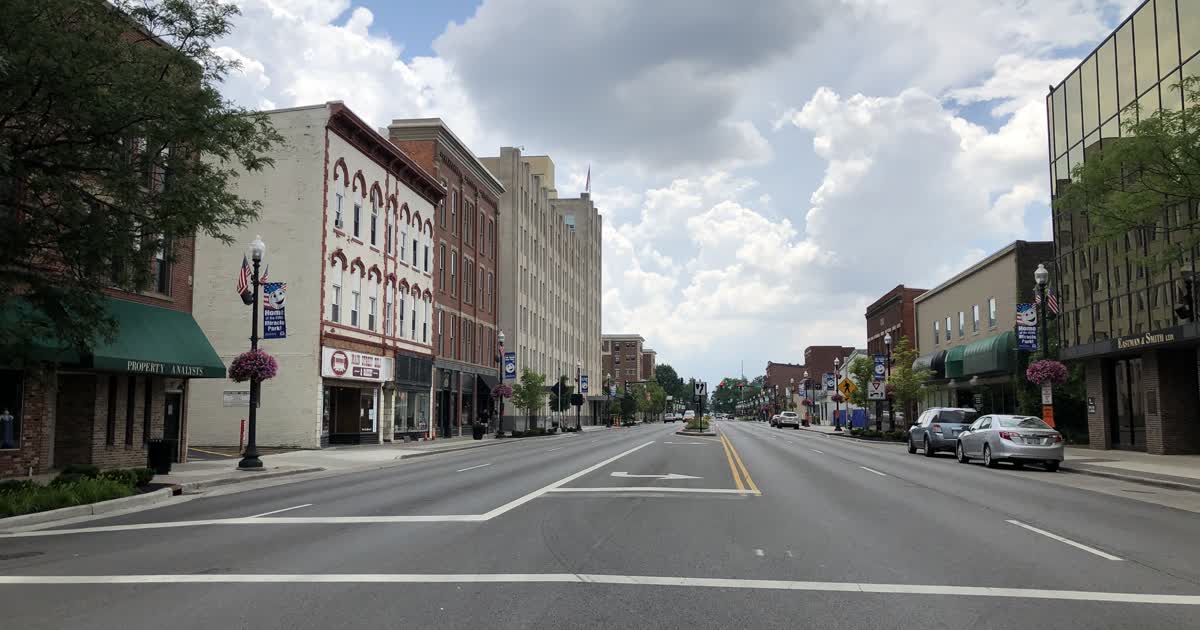
Findlay is moving forward with plans for a downtown recreation area, and city parks staff have put a price tag and a funding path on the project. In an update to the Findlay Parks and Recreation Board reported on October 20, 2026, staff said design work on the downtown recreation area is 60 percent complete and moving toward construction documents, with the overall project estimated at $30 million.
That 60 percent mark is a meaningful step in a project of this size. Staff told the board that 90 percent designs are expected in December 2026, which would bring the project close to final form before the end of this year.

The city has also put a construction partner in place. Findlay has engaged Ruceli Construction as construction manager at risk for the project, a role that brings the builder into the process while design work is still being completed, so cost and construction questions can be addressed as the documents take shape rather than after they are finished.
How the $30 million would be paid for is split evenly in the city’s plan. Findlay has applied through the Ohio Department of Natural Resources for a $15 million federal grant toward the project. Alongside that application, the city aims to raise $15 million locally by May 2027, so the federal request and the local effort would each cover half of the estimated cost if both come through in full.

Downtown recreation investment matters to residents in practical ways, beyond any single project. Shared recreation space in the center of a city gives families a reason to gather downtown, gives young people and adults alike a place to be active close to home, and adds daily life to the same streets where local shops, restaurants and offices do business.
For a city like Findlay, the county seat of Hancock County, the downtown is also the front door for the wider area. People from surrounding communities come into the city for work, school, appointments and shopping. That is the broader context behind the board’s work: a recreation area is a quality-of-life investment as much as a construction project, and its success is measured in how often people actually use it.

For now, the next steps are the ones staff laid out for the board. Design work continues toward the 90 percent milestone expected in December 2026 and then into construction documents, the federal grant application through the Ohio Department of Natural Resources is in motion, and the city works toward its goal of raising $15 million locally by May 2027. As those pieces advance, residents will be watching the estimate, the funding and the timeline the board heard this week.
Photo: Mbrickn, CC BY-SA 4.0