


Quick Takeaways
• The Ohio Controlling Board has approved the distribution of $65 million from the state’s 2023 environmental restoration settlement with DuPont to drinking-water projects in Belmont, Gallia, Lawrence, Meigs, Morgan, and Washington counties, according to a release from State Representative Kevin Ritter’s office.
• The money targets PFAS (per- and polyfluoroalkyl substances) contamination: Marietta will receive $6 million for PFAS treatment at its new water treatment plant, and waterline extensions will let homeowners in Meigs and Washington counties abandon 241 contaminated private wells.
• The settlement stems from the lawsuit Governor Mike DeWine filed against DuPont as Ohio’s attorney general in 2018, accusing the company of releasing PFOA (perfluorooctanoic acid) into the air and the Ohio River from its Washington Works plant in Parkersburg, West Virginia.
MARIETTA, Ohio — Sixty-five million dollars from Ohio’s settlement with DuPont is on its way to drinking-water systems across six southeast Ohio counties, money that will add PFAS treatment to treatment plants and run public waterlines to homes whose private wells are contaminated, according to the announcement from Governor Mike DeWine and Ohio Environmental Protection Agency Director John Logue, detailed in a release from State Representative Kevin Ritter (Republican, Marietta).
The funding, approved through the Ohio Controlling Board, comes from the 2023 environmental restoration settlement with DuPont and will be distributed to Belmont, Gallia, Lawrence, Meigs, Morgan, and Washington counties, according to Ritter’s office. “These projects are vital to strengthening water infrastructure in our communities and providing greater access to safe, clean drinking water for residents of Meigs and Washington counties,” Ritter said in the release. “I’m pleased to see this funding directed where it will make a meaningful difference for Ohio families.”
Where the detailed projects land
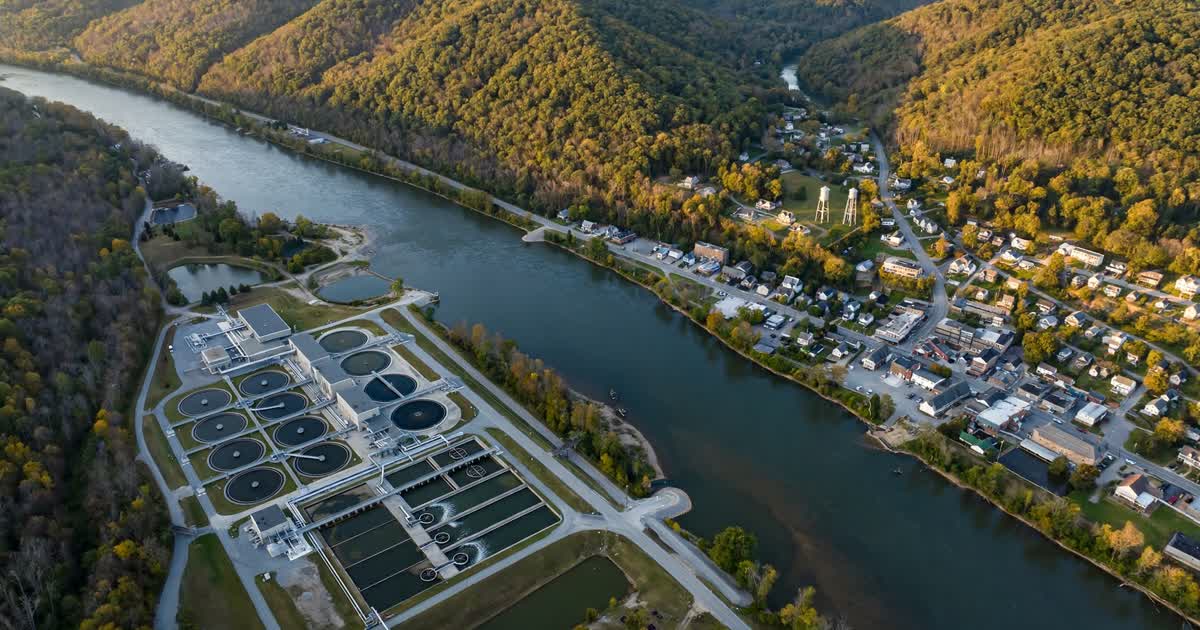
In Washington County, Marietta will receive $6 million to add PFAS treatment to its new water treatment plant, a project that will benefit 18,707 people, according to Ritter’s office. Warren Community Water will receive $8 million to add PFAS treatment to its existing plant and drill an additional well, benefiting 10,237 people, and Tri-County will receive about $2 million to add PFAS treatment to its plant, benefiting 3,000 people, according to the release.
Two Washington County projects replace contaminated wells outright: Beverly will receive about $3 million to build a new water treatment plant with PFAS removal equipment, benefiting 1,900 people, and Belpre will receive about $6 million for waterline extensions that will eliminate 50 contaminated private wells, while Little Hocking will receive about $8.5 million for extensions that will eliminate 110 contaminated wells, according to Ritter’s office.
In Meigs County, Middleport will receive about $3 million to mitigate PFAS contamination in the village wells, benefiting 2,446 people, and the Tuppers Plains area will receive about $4 million for waterline extensions that will eliminate 81 contaminated private wells, according to the release. The balance of the $65 million funds projects in Belmont, Gallia, Lawrence, and Morgan counties, whose project-by-project details were not itemized in Ritter’s release.
The settlement money traces to the Ohio River itself. According to Ritter’s office, the settlement agreement stems from a lawsuit Governor DeWine filed against DuPont while serving as Ohio’s attorney general in 2018, which accused DuPont of releasing perfluorooctanoic acid, or PFOA, into the air and the Ohio River from its Washington Works facility in Parkersburg, West Virginia, despite knowing the risks the chemical posed to public health and the environment.
The investment is one of several now reshaping the southeast Ohio river corridor’s economy, alongside the training money preparing residents for jobs at the PORTS-Pike Technology Campus, as NewsForce247 reported in its coverage of the $6.4 million workforce grants, and the power project that goes before regulators next month, as NewsForce247 reported in its report on the December 10, 2026, hearing near Piketon.
For the households on the extension routes, the change is concrete: a home whose well tests positive for PFAS gains a treated public water supply, and the village systems gain treatment built for chemicals that conventional filtration does not remove.
The six counties share the same geography that made them part of the case: all sit along or near the Ohio River and its tributaries downstream and downwind of the Parkersburg plant, in the region where PFOA contamination of wells and municipal supplies has been documented for two decades.

What happens next: the six counties’ water systems move from award to engineering and construction on their own schedules; the projects itemized for Meigs and Washington counties alone account for about $44.5 million of the $65 million distribution approved by the Ohio Controlling Board.