


COLUMBUS, Ohio — A metropolitan area of 2.23 million people has barely 6,000 homes actively for sale, according to Central Ohio MLS figures cited by Barbara Gale of the Gale Group at Keller Williams Consultants Realty in reporting published Nov. 1 by the Mt. Sterling Advocate. Gale put the active count at 6,098 listings across the entire Columbus metro, well short of the 10,000 to 15,000 listings she said would represent a more normal supply level.
Total listings in central Ohio sit at roughly 8,600, with only about 6,100 of those active, the Advocate reported. For a metro of 2.23 million residents, Gale said, those numbers create a structural tightness that persists even as the pace of sales slows — fewer transactions are closing, but the shortage of homes to buy keeps a floor under prices.

The shortage is not new. From the COVID period through roughly early 2025, Columbus experienced the same bidding-war dynamics familiar to markets across the country, the Advocate reported: buyers paying $50,000 to $100,000 above asking price, low inventory and intense competition for the homes that did reach the market.
What has changed is the temperature, not the underlying math. A correction followed the bidding-war years, but it did not produce enough new supply to close the gap Gale described. A normal market, on her figures, would need roughly two to two-and-a-half times the active inventory the metro is carrying into November.

Gale has worked the Columbus and Dublin markets since the 1970s, according to the Advocate, giving her a longer view of the region’s housing cycles than most. Her read is that the market will remain slow as long as interest rates stay elevated and economic uncertainty persists, because would-be sellers holding lower-rate mortgages have little incentive to list and start over at today’s rates.
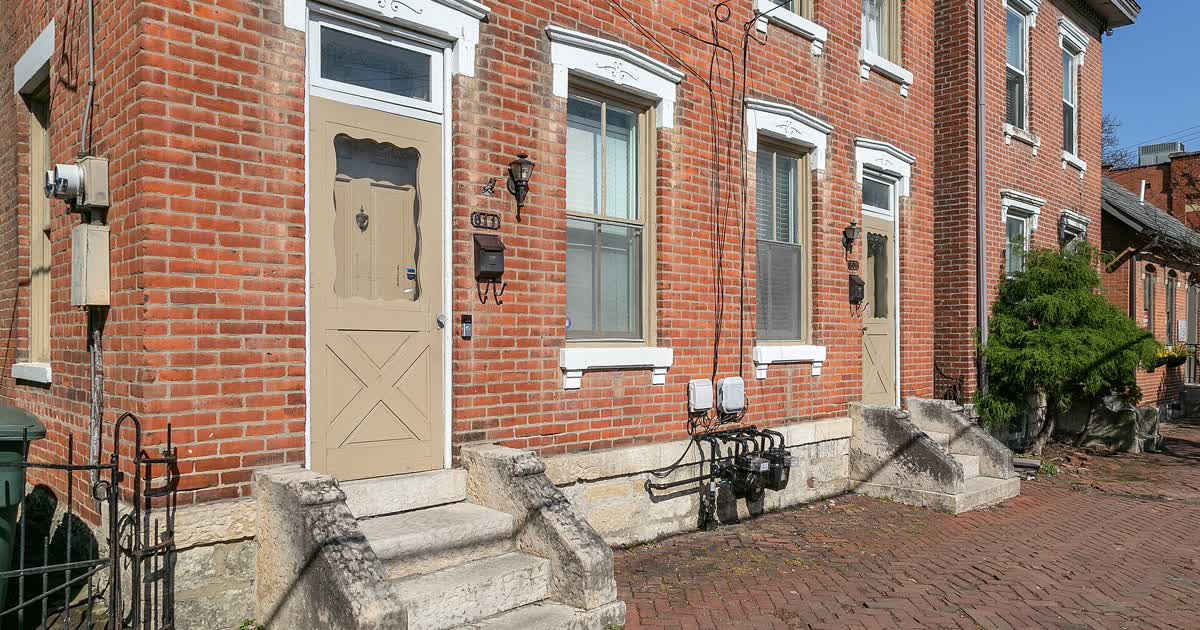
For buyers and investors looking at central Ohio, Gale pointed to older housing stock in established neighborhoods as the clearest opportunity, the Advocate reported. Upper Arlington is one target, but she also identified Clintonville’s Beechwold area, within Columbus City Schools, which draws interest because of its older homes with architectural character.

The squeeze matters beyond the sales office. Central Ohio’s job growth — in logistics, health care, education and the public sector — keeps drawing new residents to Franklin County and its suburbs, and each arriving household competes for the same thin pool of listings. Readers following the region’s growth can also see how the metro is filling its calendar and its classrooms in our coverage of a surprise author visit at a Columbus elementary school this week.
Renters feel the same pressure from the other side. When ownership stays out of reach, demand stays in the rental market longer, and the households least able to absorb a bidding war — first-time buyers and younger workers — are the ones pushed furthest from the neighborhoods where they work.

The geography of the shortage matters too. Gale’s opportunity list — Upper Arlington’s established streets and Clintonville’s Beechwold blocks — is a list of places where the housing stock already exists and cannot easily be duplicated: mature trees, older homes with architectural character, and neighborhoods inside or near the city’s core. When the clearest buying opportunities sit in built-out neighborhoods, the shortage is not simply about how fast builders can frame new subdivisions at the edge of the metro; it is also about how few homes change hands in the places people most want to live.
What we know — and what we’re still waiting on: the MLS figures Gale cited are a snapshot of active and total listings this fall, and they do not by themselves show how many homes are under contract, how long listings are sitting, or whether new construction starts are catching up. Those answers sit in the next rounds of MLS and building-permit data, and NewsForce247 will report them as they are published.
For Franklin County readers, the local stakes run alongside a busy civic week — our earlier coverage explained how federal poll monitors will be positioned in Franklin County for Tuesday’s election — a reminder that the same county weighing a housing shortage is also Ohio’s largest electorate.
What happens next is largely a waiting game on rates and supply. If borrowing costs ease, some locked-in owners may finally list, and Gale’s normal range of 10,000 to 15,000 active listings is the benchmark local agents will be watching for. Until inventory moves meaningfully toward that range, Columbus buyers should expect competition for the well-priced homes that do appear — and sellers of older, character-rich houses in established neighborhoods to keep fielding strong interest.
Photo: Pythaglio, CC BY-SA