


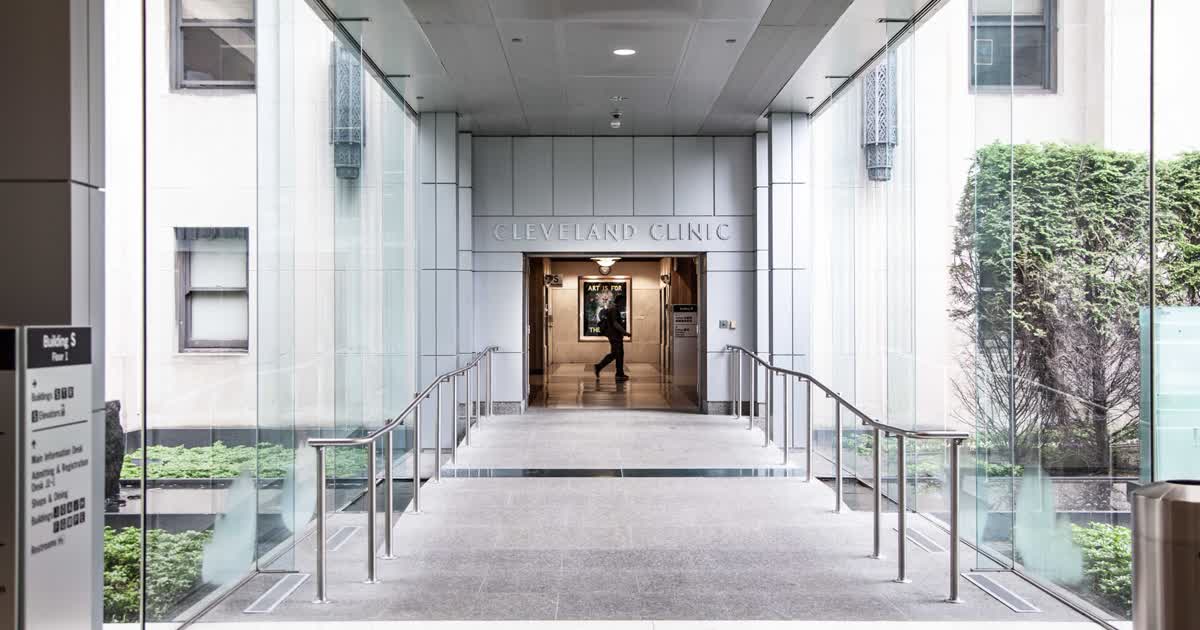
CLEVELAND, Ohio — The doctor’s office visit in Cleveland increasingly comes with a silent third party in the room: an artificial intelligence scribe that records the conversation and drafts the medical note. Cleveland Clinic, MetroHealth and University Hospitals are all using AI scribes, according to Signal Cleveland’s reporting on the technology’s spread across the region’s three big hospital systems.
The pitch from the hospitals is time. The systems record the conversation between doctor and patient and automatically generate the visit note, a task that otherwise eats hours of a clinician’s day in typing and charting. The hospitals told Signal Cleveland the goal is to let doctors spend more of the appointment looking at the patient instead of at a screen, and less of their evening finishing paperwork.
Patients can decline. All three systems told Signal Cleveland that patients may opt out of the AI scribe — but the opt-out generally has to be raised during the appointment itself. None of the three offers patients a way to register a blanket, advance opt-out covering all future visits, according to Signal Cleveland, which means a patient who does not want to be recorded has to speak up, visit by visit, in the room.
The recordings do not live forever. The systems told Signal Cleveland that recordings or transcripts are deleted after 30 days. Even so, the arrangement leaves patients to weigh a real trade-off in real time: the convenience their doctor gains against a recording — however temporary — of some of the most private conversations a person has.
Not everyone is comfortable with that trade. Signal Cleveland spoke with a 57-year-old Cleveland-area resident who raised concerns about privacy and the potential exposure of sensitive medical information. A conversation in an exam room can range across mental health, family history, finances and habits a patient might never put in writing, and the reporting found that unease follows the microphone into the room.
Accuracy is the second concern, and it comes from the region’s own experts. A bioethics professor at Case Western Reserve University raised concerns to Signal Cleveland about transcription accuracy, particularly for patients with accents. A scribe that mishears a symptom, a dosage or a negation — ‘no chest pain’ becoming ‘chest pain’ — writes its error into the medical record, where it can follow a patient into future care.

The Cleveland experience mirrors a national shift. Ambient AI documentation has moved quickly from pilot programs to standard practice at large health systems, and Cleveland Clinic’s own earlier announcements described a phased rollout in which clinicians review and approve every AI-generated note before it enters the patient’s record, and in which patients are notified before the tool is used and can opt out.
For patients, the practical advice from Signal Cleveland’s reporting is simple: ask. Ask whether an AI scribe will be used at your appointment, say clearly if you do not want it, and know that the choice is yours to make in the room. Asking before the visit begins — rather than after the note is already drafted — is the moment the opt-out works best.

The technology’s defenders inside the systems make a consistency argument as well: a scribe that drafts every note the same way, from the full conversation rather than a doctor’s hurried memory of it, can produce a more complete record — provided a clinician actually reads and corrects the draft before signing it, the step every system describes as mandatory. The risk Signal Cleveland’s reporting surfaces is the gap between that design and the exam room’s reality, where a patient may not know a recording is happening until the visit is underway, and may not feel free to object to the person treating them.
That power imbalance is why the details matter: whether the patient is asked before the microphone turns on, whether ‘no’ is honored without friction, and whether the 30-day deletion promise is one a patient can verify or simply has to trust. On the accounts the three systems gave Signal Cleveland, the answers today are: you will be told, you can decline in the room, and the deletion happens on the systems’ schedule — answers that put the burden of vigilance on the patient.
What happens next will be decided appointment by appointment across Northeast Ohio: three hospital systems, thousands of exam rooms, and a standing question for every patient who sits down on the table — do you want the computer listening in?
Photo: Mutaz Albar, CC BY