


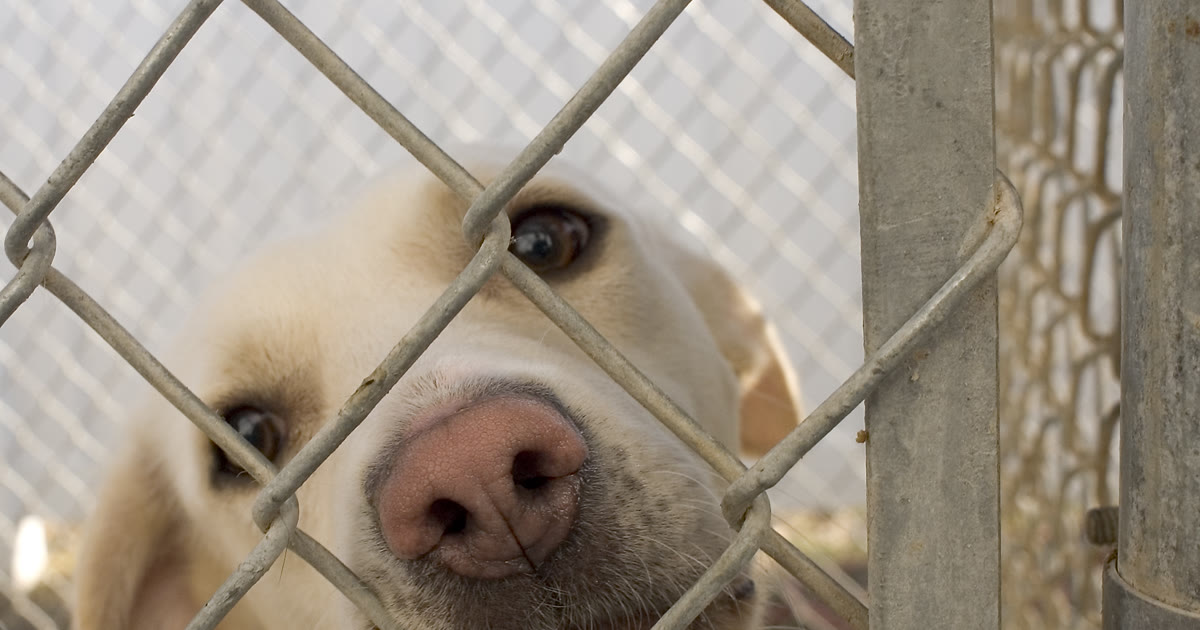
Cincinnati Animal CARE announced on Nov. 5 that it took in 112 dogs in just seven days, including 38 dogs seized through active animal-welfare investigations, according to the shelter’s own release on cincinnatianimalcare.org. WCPO reported the same headline figures, underscoring the scale of a week that has left Hamilton County’s shelter operating without available kennel space and asking the public for urgent help.
The seized dogs account for a large share of that intake, and they are also the dogs the shelter can do the least with right away. More than one-third of the week’s intake cannot be adopted because those animals are still on investigation holds, the shelter said in its announcement. Dozens of dogs must be fed and housed daily while their status remains unresolved, even as new cases arrive.

Of the 38 seized dogs, 24 came from just two Hamilton County properties over two days, according to the shelter’s release. On Tuesday, humane agents and dog wardens removed 14 large shepherd-type dogs from one property. On Wednesday, they removed 10 dogs of varying sizes from a second property. The release did not name the property owners, and it did not announce charges in connection with either removal.
The pattern behind those two days is larger than a single difficult week. Over the past three months, the Hamilton County Dog Warden has responded to seven high-volume cases involving six or more dogs from a single property, the shelter said. That run includes August’s seizure of more than 150 animals, the largest in shelter history. Seven such cases in three months points to a recurring workload, not an isolated incident.

The legal process explains why seized dogs stay in limbo. Seized animals cannot be adopted until their legal status resolves, according to the shelter’s release, and deputy dog wardens must file for a probable-cause hearing within 10 days of a seizure. A bond may also be required to cover the cost of care. Until proceedings settle an animal’s status, the shelter must house dogs it cannot place, however crowded its kennels become.
“People see an overcrowded shelter, but they don’t always see what’s happening in our neighborhoods that is contributing to it,” Meaghan Colville, chief dog warden and chief operating officer, said in the shelter’s announcement. Crowding at the shelter, Colville suggested, is often the visible end of problems that begin on residential streets — too many animals on a property, and situations not reported until they have grown severe.

“Our humane agents and dog wardens are removing animals from situations where their health and safety are at risk, not only to animals but to people as well,” Colville also said in the shelter’s announcement. The shelter says early reports give its teams a chance to intervene before a case becomes a large seizure.
Right now, the shelter is operating without available kennel space, with dogs in temporary accommodations, and it issued an urgent call for fosters, volunteers and adopters in its Nov. 5 release. Foster homes free physical space without a permanent commitment, and the shelter said new fosters and volunteers will receive priority onboarding.

Both Cincinnati Animal CARE campuses are open daily from 1 to 6 p.m. — at 3949 Colerain Avenue and at 4210 Dane Avenue in Cincinnati — for adoptions, fostering and volunteering inquiries, according to the shelter. Cincinnati Animal CARE is Hamilton County’s only open-intake shelter and its sole animal-services provider, the shelter said, meaning it does not turn away the county’s animals when space runs short. Since 2020, the shelter said, it has maintained a lifesaving rate above 90 percent and completed more than 30,000 adoptions.
Large, sudden intakes are not unique to Hamilton County, and Ohio shelters regularly absorb the fallout when an animal situation in a home or breeding operation collapses at scale. NewsForce247 previously covered the surrender of more than 1,100 chinchillas from a Hancock County breeder, a different species and county, but the same strain: when one property holds far more animals than it can care for, the cost lands on a shelter and its community.
What we know — and what we’re still waiting on: What we know is the count: 112 dogs in seven days, 38 seized, 24 of those from two properties on Tuesday and Wednesday, and a shelter with no open kennel space, according to the release, with the headline figures also reported by WCPO. What we’re still waiting on is the outcome of the investigations and holds — whether held dogs will be released for adoption, returned, or held longer — and whether charges follow. The release names no owners and announces no charges.
Prevention is the shelter’s longer-term ask. In its release, Cincinnati Animal CARE urged residents to check on neighbors who may be struggling with pets, to spay and neuter their animals, and to report suspected cruelty or neglect early, noting that assistance programs exist for people who need help before a situation escalates. What happens next will unfold on two tracks: in the courts and hearings that will decide the status of the seized dogs within the coming days, and at the two campuses each afternoon from 1 to 6 p.m., where every adoption or foster placement this week opens space for the next dog that agents bring in.
Photo: Nhandler, CC BY