


CHILLICOTHE — Chillicothe voters have rejected a 0.2 percent municipal income tax for street repairs for the second time in 2026, leaving the city’s income tax rate at 1.8 percent and its paving program without the dedicated funding city officials sought, the Chillicothe Gazette reported.
The measure, decided in the Nov. 3, 2026 general election, would have restored the city’s income tax rate to 2 percent, according to the Chillicothe Gazette. The proposal sought to renew a levy voters first approved in 2015 to support street paving, repairs and improvements; collections under that levy ended in 2025, and the city’s rate fell to 1.8 percent before the November vote, according to the Scioto Valley Guardian.
It was the second rejection this year. In the May 5 primary, 1,914 voters opposed the tax and 1,728 supported it — opposition of about 52.6 percent — WOUB Public Media reported. City Council subsequently returned a nearly identical proposal to voters on the November ballot, according to the Scioto Valley Guardian, and voters said no again.
City officials estimated renewing the levy would have brought in about $2 million a year, legally limited to paving and street construction. The tax would have applied to earned income rather than property values, and the city’s examples put the cost at about $80 a year for a resident earning $40,000 — roughly $3 from a $1,500 biweekly paycheck.
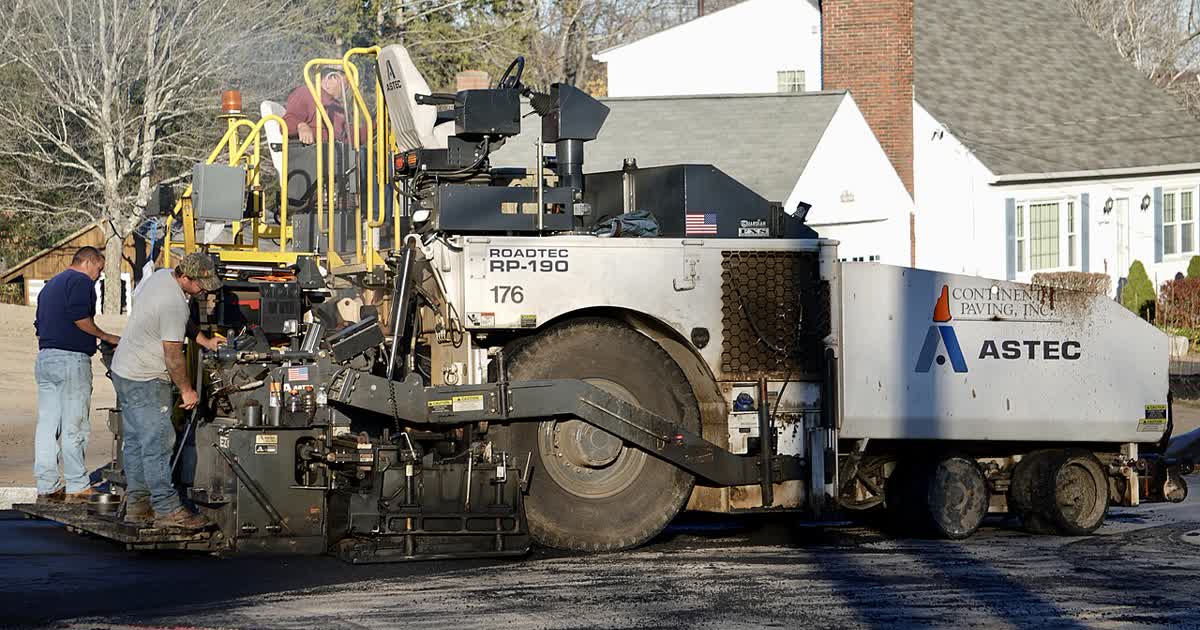
The record of the original levy is the heart of the city’s case. Chillicothe said the 2015 levy raised $17,322,975 during its life and helped pave about 70 percent of the city’s roads and alleyways; officials also reported that since 2015, resurfacing covered about 65 percent of street mileage and 19 percent of alleys.
Beyond paving itself, levy revenue supplied the local share of funding for Ohio Department of Transportation safety projects on Western Avenue and Bridge Street, as well as downtown milling and paving, city officials said. Without renewal, officials said, Chillicothe would lose a source of matching money for Ohio Public Works Commission grants and larger ODOT paving projects.
Before the vote, officials estimated the remaining resurfacing work could be finished within six to seven years if the levy continued. What happens next is now a budget question for City Council: how to fund street work — and the local matches that unlock state money — from a general budget in which the mayor has already warned that the paper mill loss is squeezing city finances.
Photo: BizLawLLC, CC BY-SA