


Athens City Council has begun debating a new fee schedule for street closures, taking first readings of two ordinances that would charge event organizers a share of what the city spends when festivals, parades, and neighborhood gatherings shut down city streets.
The measures, ordinances 95-26 and 96-26, pair new special-event street-closure language with a fee table. According to the discussion at council, the administration’s goal is to recover about one-third of the costs the city ends up paying when an event requires city services such as police, barricades, and street crews.

The proposal drew pointed questions from council members rather than quick approval. Members raised concerns about a proposed $300 fee for a single-block residential closure — the kind of small neighborhood block party the charge would hit hardest — and about how complicated the new schedule would be to administer.
Also questioned was a proposed 50 percent discount for Ohio University-sponsored events. In a city where the university is the largest institution and a frequent event sponsor, council members pressed on whether a standing discount for OU events is fair to the community groups and neighborhood organizers who would pay full price.

Street closures are woven into Athens’ calendar, from university events to community festivals and parades that take over Court Street and the surrounding blocks. Each closure carries real city costs, and the ordinances represent the administration’s attempt to put a predictable price structure in front of organizers instead of absorbing the full expense in the city budget.
Because the measures received only first readings, no fees have been adopted and no schedule takes effect yet. The ordinances must move through council’s regular reading process, giving residents, neighborhood groups, and event organizers time to weigh in before any final vote.

Organizers planning events in Athens in the coming months should watch the ordinances’ progress: if adopted, the fee table would change the cost of closing a street for everything from a one-block gathering to a large festival footprint. Council’s next steps will show whether the $300 residential charge and the university discount survive in their current form.
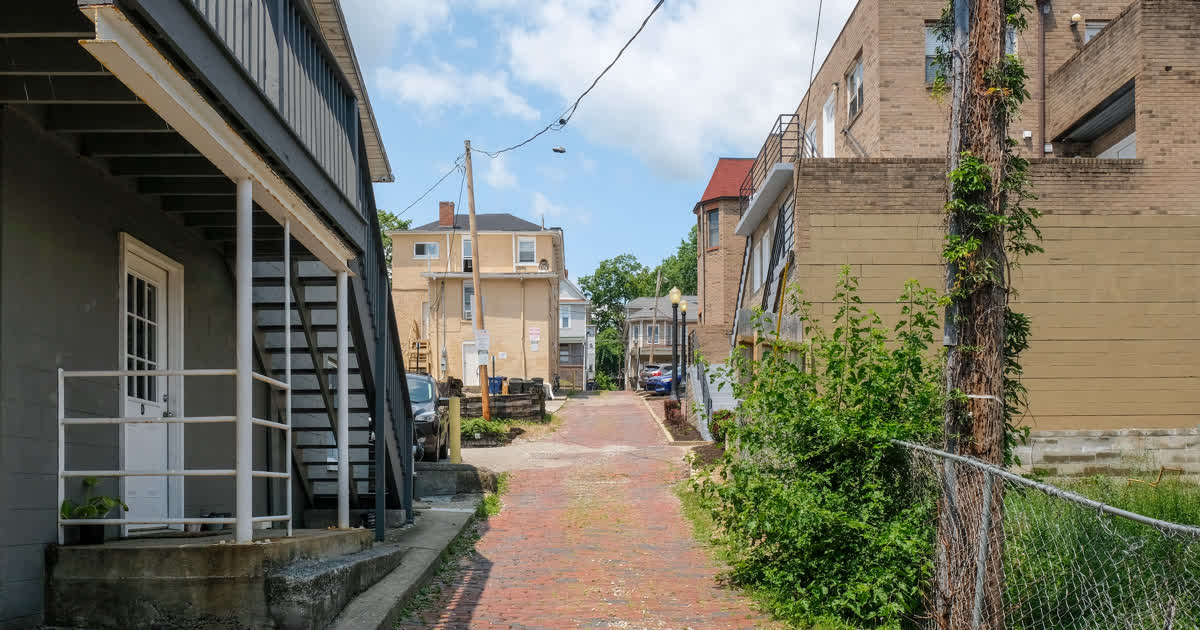
Photo: Tim Kiser, CC BY-SA 4.0, via Wikimedia Commons