


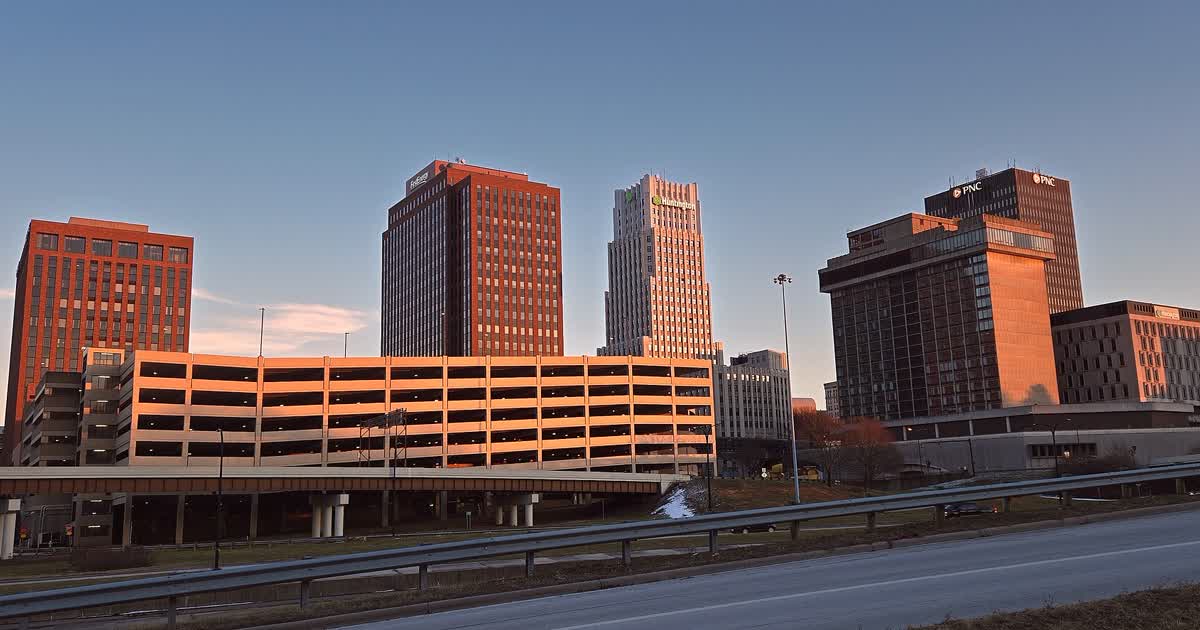
Akron households will pay more for drinking water in each of the next three years under a rate plan city officials briefed to City Council on Monday, October 26, as the city confronts a record year for water main breaks and a system in which about 35 percent of pipes are more than 90 years old.
Under the plan, an average household’s monthly water bill rises from roughly $25 to about $30 in 2027, $36 in 2028 and $42 in 2029 — increases of 20 percent, 20 percent and 16.7 percent. The increases begin January 1 and will appear on February bills. The change applies only to the drinking water portion of the city utility bill, which also covers sewer and trash service.

Customers using the Home Energy Assistance Program or the Homestead Tax Credit will see smaller bills rise from about $15 to $18 in 2027, $22 in 2028 and $25 in 2029, the city said. Akron says it has changed drinking water rates only once in the last 14 years.
Service Director Chris Ludle told reporters on October 22 that parts of the system are more than 100 years old and that it is time to invest in water, the way the city has invested in its sewer system under a federal consent decree. Revenue from the increases will pay to replace aging or broken pipes, repair treatment, transmission and storage infrastructure, pay down existing water debt and fund daily operations, according to a city fact sheet.

The need is visible in the break count. As of October 26, Akron had recorded 444 water breaks in 2026 — 41 more than the record set in all of 2025, with more than two months left in the year, the city said.
Council’s Public Service, Public Utilities and Green Committee also heard a proposal to allocate $3 million, paid from the enterprise fund supported by ratepayers, for a study to begin overhauling the water system, a plan Ludle estimated would take two to three years to develop. The committee took time on the measure rather than acting Monday.

City officials argued that waiting would cost more. Spokeswoman Stephanie Marsh said emergency repairs cost far more than planned work and estimated that delaying even one year would add about $9 million a year in costs. Sewer rates approved last year are already in effect and will not change, and a possible charge for an Enhanced High Rate Treatment Facility would apply only if a federal court requires the $300 million project; a settlement that would eliminate it is in a public comment period through November 12.