


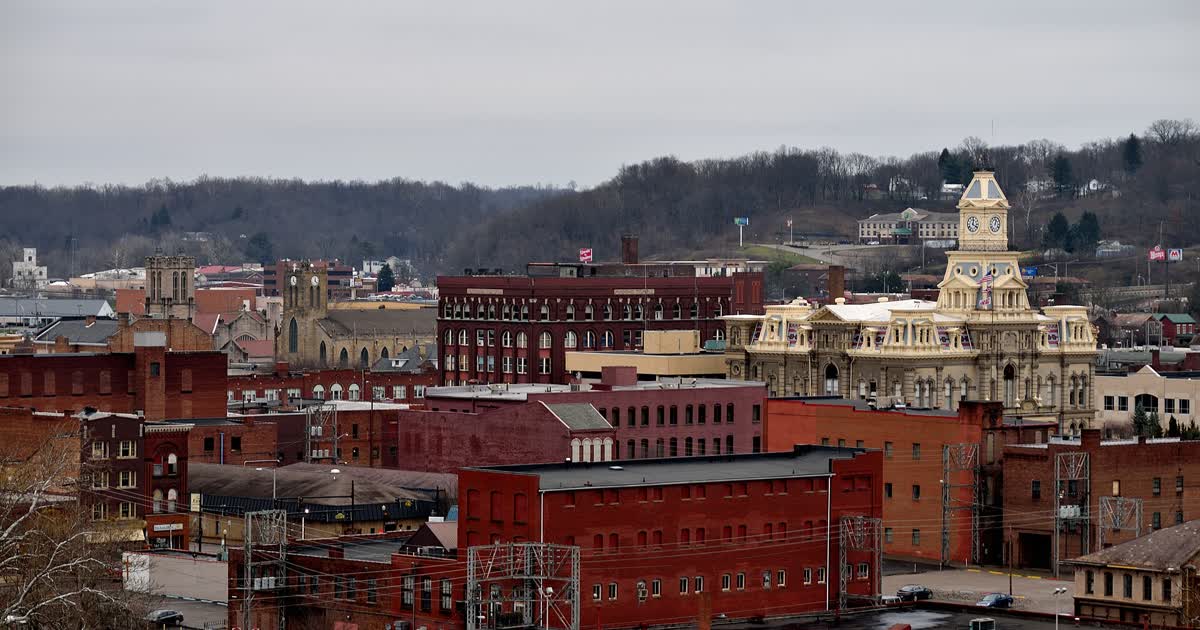
Zanesville city leaders are revising the city’s 2026 budget to cover sharply higher fuel and self-insurance costs, while offsetting part of the pressure with a $566,672 federal fire grant and $110,000 in state funding for Secrest Auditorium, according to reporting by the Zanesville Times Recorder.
“(Money is) coming in and going out,” Budget and Finance Director Amanda Perkowski recently told members of City Council, in comments reported by the Zanesville Times Recorder. “We’re bringing on some money but also expending other money.”

The largest adjustment is the city’s gas, oil and diesel fuel fund, which rises by $215,000, from $700,000 to $915,000, according to the Zanesville Times Recorder. The parks maintenance vehicle budget rises by $10,000, from $19,000 to $29,000, and self-insurance costs rise by $111,665, to about $1.317 million.
“No one planned around the Strait of Hormuz being closed,” Mayor Don Mason told the Zanesville Times Recorder. Mason compared city expenses to a typical household’s — when fuel and electricity go up, the city pays more and projects become more expensive, according to the Times Recorder’s reporting.

Offsetting some of that pressure, the Zanesville Fire Department received $566,672 through FEMA’s Assistance to Firefighters grant programme, according to the Zanesville Times Recorder. The grant will buy self-contained breathing apparatus for fire trucks, an exhaust removal system and specialized dryers to keep firefighting gear dry and sanitary; the city’s match was $51,516.
A second windfall — $110,000 from the Governor’s Office of Appalachia — supports the ongoing Secrest Auditorium expansion and renovation, including exterior construction, interior remodeling, new seating and rewiring, according to the Zanesville Times Recorder.

For residents, the revisions are a reminder that the same fuel prices showing up at Zanesville gas pumps also show up in the city’s ledgers — in the trucks that maintain parks, the vehicles that answer calls, and the insurance that covers the people who do that work. The adjustments Perkowski described to council, in the Times Recorder’s reporting, move money to meet those costs without presenting them as a crisis: the fire grant and the Appalachia funding arrived in the same season as the increases, softening what the fuel fund alone would have meant for other city priorities.

What happens next: the revised figures work their way through the city’s 2026 budget process, the fire department puts its grant-funded equipment into service, and work continues at Secrest Auditorium — a budget shaped, as Perkowski told council in comments reported by the Times Recorder, by money coming in and going out at the same time.
Photo: Thesteeleisreal, CC BY-SA