


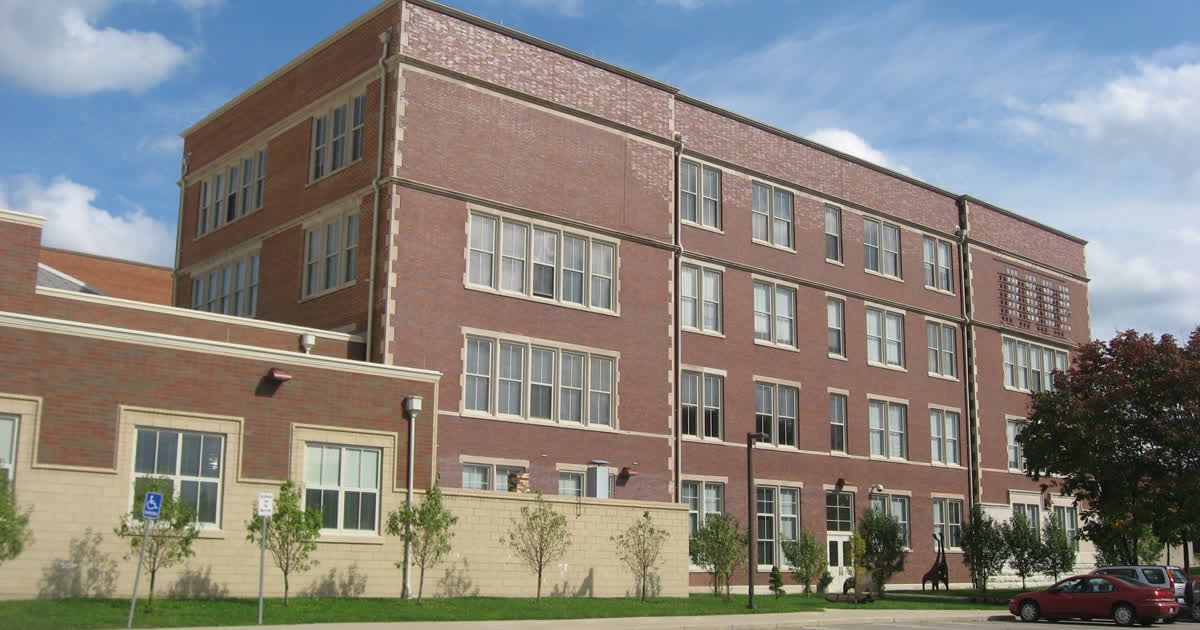
Dayton voters narrowly rejected Dayton Public Schools’ proposed operating levy on Tuesday, November 3, and district leaders are now looking for a new strategy to close a looming budget gap. In final unofficial results reported by the Dayton Daily News, 50.77 percent of voters opposed the levy and 49.23 percent supported it. WHIO reported that the district is now seeking a new strategy after the tax levy failed to pass.
The measure, an additional 7-mill levy, would have collected about $14.7 million a year for current operating expenses and general permanent improvements on a continuing basis. It would have cost the owner of a $100,000 home about $245 a year, with collections tied to taxes due in 2027. District presenters told the school board earlier this year that Dayton Public Schools had not asked voters for a new operating levy since 2008.

The levy was aimed at a projected deficit of about $19 million, in a district that spent approximately $280 million last school year. Before the election, district officials warned that if the levy failed, Dayton Public Schools expected to eliminate about 200 staff positions and pursue further cost-saving measures. Those warnings now move from campaign talking point to budget reality, as administrators weigh which positions and programs can be reduced.
Opposition was organized and public. The Dayton Area Chamber of Commerce voted on October 14 to oppose the levy, citing concerns about student busing, downtown safety, graduation rates and chronic absenteeism in coverage of the chamber’s decision. That underscored a broader trust question: many voters still asked whether the district had made the case that new tax dollars would be spent well.

Superintendent David Lawrence addressed students’ futures while the outcome was still uncertain, in a video published by the Dayton Daily News on November 4. The close result gives leaders a difficult read: nearly half of voters backed the tax, but a majority said no, and any return to the ballot would require a clearer plan to rebuild confidence among homeowners feeling property tax pressure.
Dayton’s result fits a pattern school leaders described across Ohio this fall. The Cincinnati Enquirer reported that district officials have been saying for months that reduced state funding, coupled with property tax reforms, will force schools to go to voters more often for local tax dollars. Tom Hosler, executive director of the Ohio School Boards Association, told the Cincinnati Enquirer that the state’s bipartisan Fair School Funding Formula was meant to balance the state and local burden, and that a freeze on the state side has increased reliance on local communities.

What happens next starts with certification. The results remain unofficial until the Montgomery County Board of Elections completes its canvass and certifies them. The board and administration must then decide how to address the projected shortfall — whether that means the staffing reductions officials warned about, other cuts, or a revised levy request at a future election. For Dayton families, the decision will shape class sizes, busing and programs in the year ahead.