


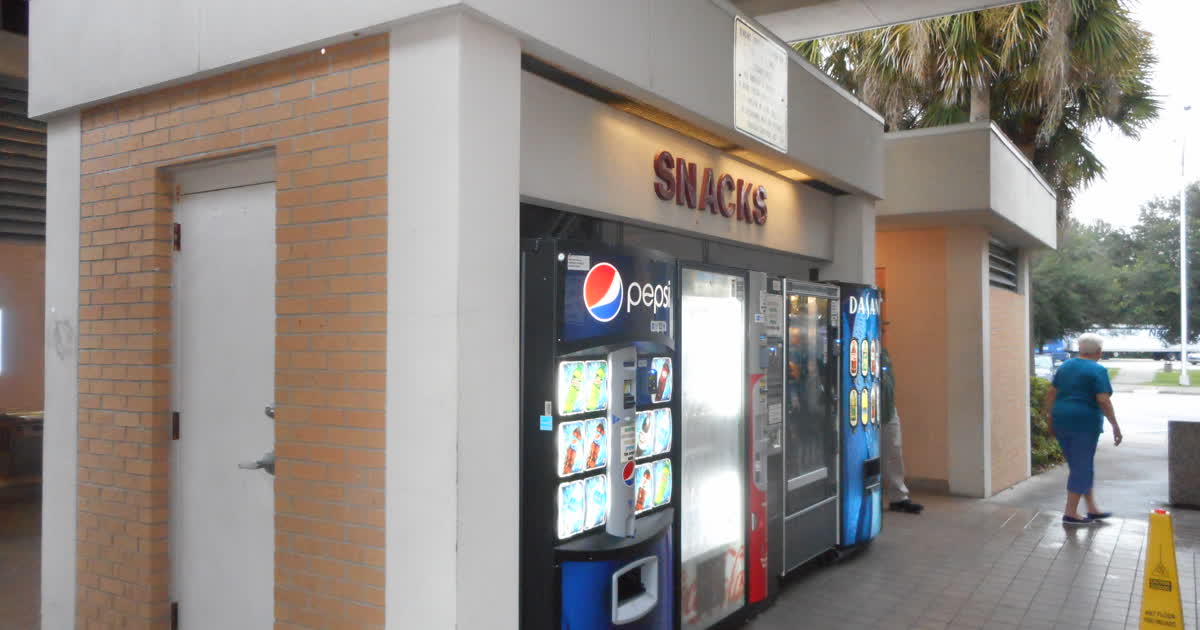
COLUMBUS, Ohio — The Ohio House of Representatives has voted 91-2 to approve House Bill 762, legislation that would exempt most food and beverage products sold through vending machines and micro markets from the state sales tax, according to an update from the Ohio Legislature reported by Vending Times.
The bill seeks to clarify Ohio’s tax rules for convenience services operators, ensuring that food purchased from unattended retail locations is treated the same as other food sold for off-premises consumption. Under current Ohio law, food sold for off-premises consumption is generally exempt from sales tax already.
The complication the bill addresses is seating. Vending machines and micro markets located near tables and chairs may be subject to taxation because the presence of seating can cause purchases to be treated as on-premises consumption. The proposed legislation would eliminate that distinction for qualifying convenience services sales, establishing a consistent standard regardless of nearby seating arrangements.
In practical terms, the same sandwich or bottled drink could be taxed or untaxed today depending on whether a chair happens to sit near the machine that sold it. Supporters of the bill say that is an accident of floor layout, not a sensible tax policy, and that operators cannot reasonably redesign break rooms and lobbies around a tax distinction.
The National Automatic Merchandising Association and the Ohio Automatic Merchandising Association supported the measure, meeting with lawmakers and testifying before the House Ways and Means Committee, Vending Times reported. The trade groups have argued that unattended retail — vending machines and self-checkout micro markets in workplaces, hospitals, schools and office buildings — should follow the same food-tax rule as a grocery or convenience store purchase carried out the door.
The exemption would not be free for the state. The proposed exemption could reduce annual state sales tax revenue by an estimated $9.5 million to $44.9 million, according to the state’s legislative budget office, although analysts caution that the estimates are preliminary. The wide range reflects uncertainty about how many sales currently taxed under the seating distinction would become exempt.
How the bill got here matters for what happens next. The measure was heard in the House Ways and Means Committee, the panel that handles Ohio tax legislation, where the national and state merchandising associations testified in support, Vending Times reported. Committee testimony is where the fiscal estimate — the $9.5 million to $44.9 million annual revenue range from the legislative budget office — would have been weighed against the operators’ argument that the current rule taxes identical food differently based on furniture. The House sided with the operators by an overwhelming margin.
What we know — and what we’re still waiting on: What is confirmed is the House vote, 91-2, the bill’s purpose, the industry support, and the preliminary revenue estimate. What is not yet known is which Senate committee will hear the bill, whether senators will amend the exemption’s scope, what effective date a final version would carry, or how the two House members who voted no would explain their opposition — the reports of the vote do not name them or record their reasons.
The 91-2 House vote signals broad bipartisan support, with only two members opposed. Bills that draw that kind of margin in the House often move quickly, but the Senate is under no obligation to follow the same timetable, and tax measures routinely draw closer scrutiny in the upper chamber as budget writers weigh the revenue cost.
Ohio’s local governments also have a stake in the outcome. Sales tax revenue is shared across state and county taxing structures, and county officials around Ohio are in the middle of budget season. NewsForce247 reported earlier today on Muskingum County’s revenue windfalls funding roads and downtown Zanesville work — a reminder that sales tax collections are a working part of county budgets, not an abstraction.
The bill arrives as counties finish certifying the Nov. 3 election and turn to next year’s budgets; NewsForce247’s county-by-county coverage, including Warren County’s turnout and certification timeline, tracks how those local governments are closing out the year.
What happens next: the legislation now moves to the Ohio Senate, where industry groups hope to secure approval before the legislative session ends in January. If the bill fails to advance, the associations plan to renew their efforts during the 2027 legislative session, Vending Times reported.
Photo: DanTD, CC BY-SA