


CINCINNATI — Only three of the 12 school tax issues on Southwest Ohio’s Nov. 3 ballot passed, and the nine districts whose levies failed are now working through cuts they warned voters about for months, according to WXIX (FOX19 NOW).
The three winners were Cincinnati Public Schools, whose five-year, 7-mill levy passed by 26,500 votes and is expected to raise $66.33 million a year; Sycamore Community Schools, whose combined 6.95-mill levy will bring in about $17.99 million; and Lakota Local Schools, whose 2.2-mill bond issue passed by fewer than 1,500 votes with no increase to the tax residents already pay, WXIX reported. The other nine districts were left to make what WXIX described as tough financial decisions.
North College Hill’s 1.25 percent income tax levy failed for a second time — it had already lost in the May 2026 primary — by just 175 votes, according to WXIX. The district has already cut 26 positions and $2.1 million in spending, and Superintendent Eugene Blalock told FOX19 NOW he was “extremely disappointed” and that the district would present a financial plan built around a $1.8 million reduction for the 2027-28 school year. In Northwest Local, more than 57 percent of voters rejected a 1.5 percent income tax that would have replaced two expiring property taxes; Superintendent Darrell Yater said in a statement reported by WXIX that reductions approved by the board in March will now begin in the 2027-28 school year.
Winton Woods moved fastest. The district has already started a hiring freeze, limited staff overtime and suspended its transportation call center after its 6.95-mill levy — which would have raised about $5.35 million — failed, WXIX reported. Under a mid-year reduction plan the district published before the election, student organizations and extracurriculars will be restricted and field trips suspended starting Dec. 1, before- and after-school tutoring and programs will be suspended starting Jan. 1, and capital projects including HVAC maintenance and roofing repairs will pause, according to WXIX. “We shared this plan in October so that no one would be caught off guard, and now we’re following through on it,” Superintendent Steve Denny said in a message to families reported by WXIX.
The largest single number belongs to Fairfield City Schools, where about $11 million in reductions is on the line after a 1.25 percent income tax failed for a second time, WXIX reported; Superintendent Billy Smith said he and Treasurer Jay Phillips would discuss next steps at the Nov. 12 board meeting. Southwest Local is looking at $3 million in budget cuts after its 0.25 percent earned income tax — worth more than $2 million a year — failed, Treasurer Thomas Lowe told FOX19 NOW, according to WXIX. In Franklin, where about 64 percent of voters rejected a 1.25 percent earned income tax, Superintendent Michael Sander said the district is looking at a negative cash balance in fiscal 2029 after cumulative cuts of more than $14.39 million since 2022-23, WXIX reported.
Lebanon and Bethel-Tate round out the list. More than 60 percent of Lebanon voters rejected a 1 percent income tax worth $13.5 million a year, even with an offered 2.15-mill property tax rollback; Superintendent Isaac Seevers said the district will need to revisit new revenue options within the next year, according to WXIX. Bethel-Tate lost a 5.48-mill renewal levy worth $1.51 million a year, and Interim Superintendent Christen Davis said officials will review district finances in the coming weeks, WXIX reported.
What happens next arrives in board rooms over the next few weeks: Fairfield’s Nov. 12 meeting, Winton Woods’ Dec. 1 restrictions, and reduction plans in North College Hill and elsewhere that take effect in the 2027-28 school year — unless districts go back to voters first.
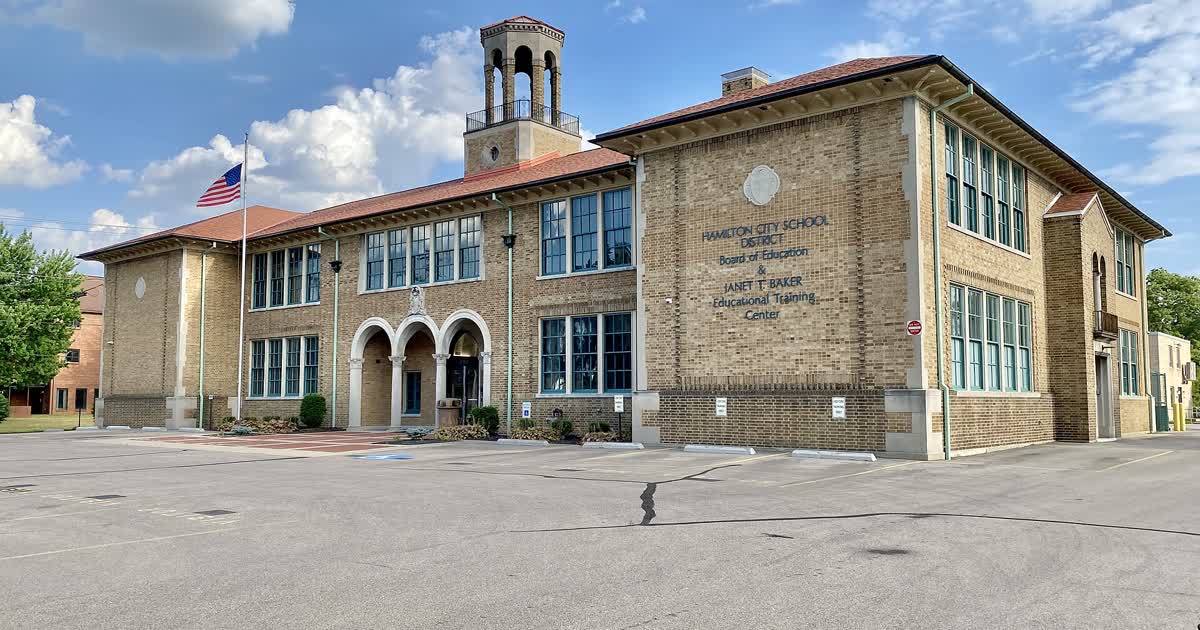
Photo: Warren LeMay, CC BY-SA