


Ohio’s public colleges and universities enrolled more than 457,200 students this fall, a headcount up about 1 percent over last fall, according to preliminary figures from the Ohio Department of Higher Education reported by The Columbus Dispatch on Monday. The statewide picture was one of broad stability — with one steep exception in Greene County, where Central State University lost a quarter of its enrollment in a single year.
The Dispatch reported that about 70 percent of the students counted statewide are undergraduates enrolled at Ohio’s 14 public universities, which together operate 24 regional branch campuses alongside the state’s 22 community colleges. The headcount also includes graduate and professional students and high school students who are dual-enrolled in college courses.

Central State, Ohio’s only public historically Black university, enrolled 1,681 students this fall, down from 2,253 in fall 2025 — a 25 percent drop that was the largest among the state’s public universities, according to the Dispatch. The Wilberforce university has faced financial strain for several years: the Ohio Department of Higher Education placed it on fiscal watch after a state audit found severe deficiencies in fiscal oversight, academic operations and building maintenance, the Dispatch reported, including an unapproved free-tuition program for alumni and their family members and scholarships awarded without considering the budget impact. The Dispatch said it reached out to Central State officials for comment.
The four universities singled out during this year’s governor’s race all lost ground, though far less sharply than Central State. Republican Vivek Ramaswamy, who lost his bid to replace Gov. Mike DeWine, argued in a March 2026 opinion article that Ohio runs “one of the most fragmented public university systems in the country” and named Central State, Cleveland State University, Kent State University and the University of Akron as institutions facing enrollment and budget challenges, according to the Dispatch. All four declined this fall: Cleveland State enrolled 12,446 students, down about 5 percent from 13,161 last fall, while Kent State (24,813) and Akron (14,013) each slipped by less than 1 percent on their main campuses, the Dispatch reported.

What we know — and what we’re still waiting on
What we know: the statewide system grew slightly, to more than 457,200 students, and the biggest campuses are holding or setting records. Ohio State University enrolled 68,183 students across its six campuses, up about 1.4 percent, with Columbus campus enrollment peaking at a record 62,010 and undergraduate enrollment there reaching a record 47,308, according to the university’s census as reported by the Dispatch. The University of Cincinnati counted 46,230 students on its main campus, up about 1 percent; Bowling Green State University grew 2.5 percent on its main campus to 18,585; Miami University rose about 2 percent to 18,871; and Northeast Ohio Medical University grew 8 percent to 1,252 graduate and professional students, the Dispatch reported. Columbus State Community College held steady at 30,500 students, and its spokesman Brent Wilder told the Dispatch the college has added about 400 students since census day in mid-September.

What we are still waiting on: final, audited enrollment figures from the Department of Higher Education; a response from Central State about the causes of its 25 percent drop and the status of its fiscal watch; and any sign that the consolidation debate from the campaign will resurface in the legislature. The Dispatch also reported declines at Ohio University (down 3 percent, to 25,905 on its main campus), Shawnee State University (down about 6 percent, to 3,513) and the University of Toledo (down about 2 percent, to 14,029), while Youngstown State (12,423) and Wright State (10,607) were essentially flat — Wright State enrolled eight fewer students than last fall, Youngstown State three more.
Looming over every campus is what analysts call the demographic cliff. The Dispatch, citing the Western Interstate Commission for Higher Education’s Knocking at the College Door report, noted that the number of U.S. high school graduates — about 3.9 million — is expected to peak and then decline steadily through 2041. Ohio is already further down that slope: the state’s high school graduating class was projected to peak in 2019 at 138,136 students and is expected to fall to 122,354 by 2037, setting up a decade of sharper competition for a shrinking pool of traditional-age students.

For families, the numbers cut two ways. Stable enrollment protects course offerings, campus jobs and the state funding that follows headcounts, while growing flagships keep expanding the seats available to Ohio students. But a campus losing students as fast as Central State faces hard choices about programs and staffing, and even flat campuses must recruit harder — including among adult and returning students, a population three southwest Ohio colleges targeted with a joint grant program NewsForce247 reported earlier Monday.
The enrollment figures also land in a state economy adding very large employers: Honda’s plan to build a $3 billion hybrid plant between Marysville and East Liberty, announced Monday and covered by NewsForce247, will compete for the same technically trained graduates Ohio’s campuses produce. Ohio State President Ravi Bellamkonda told a Columbus Metropolitan Club forum on Oct. 21, as reported by the Dispatch, that after a massive freshman class in 2024, administrators are analyzing what the right size for the state’s land-grant university should be.
What happens next: the Department of Higher Education will finalize the fall headcount, Central State’s fiscal-watch oversight continues, and campus leaders will watch whether the governor-elect’s administration takes up the consolidation question raised during the campaign. NewsForce247 will update this story as final figures and Central State’s response are released.
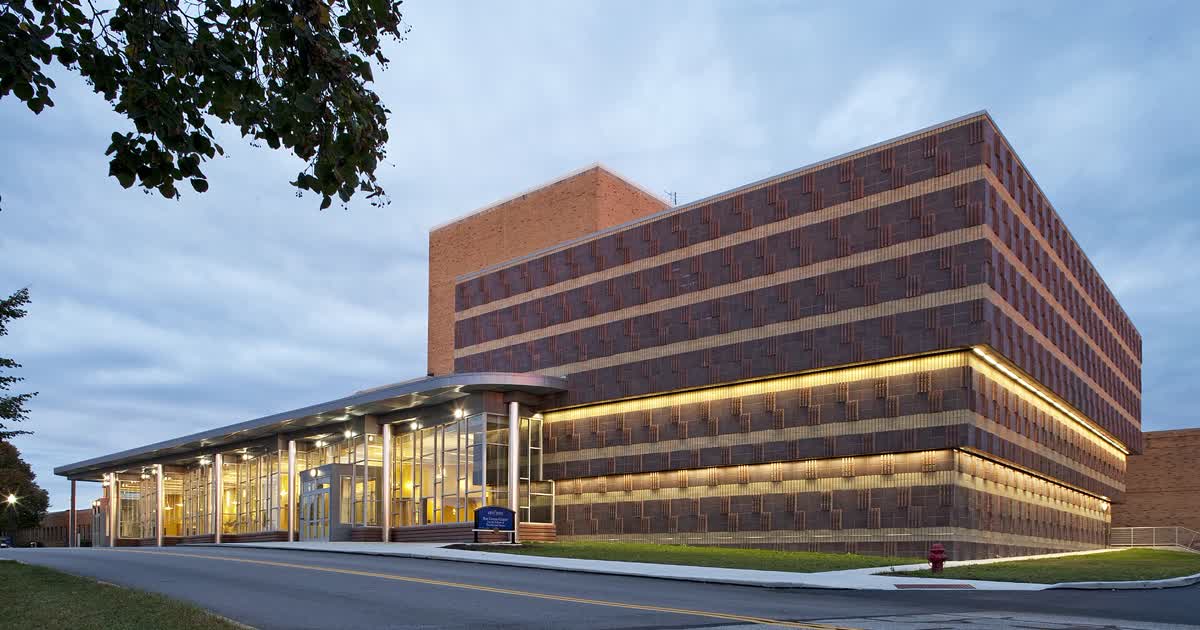
Photo: Syaffe93, CC BY-SA 4.0