


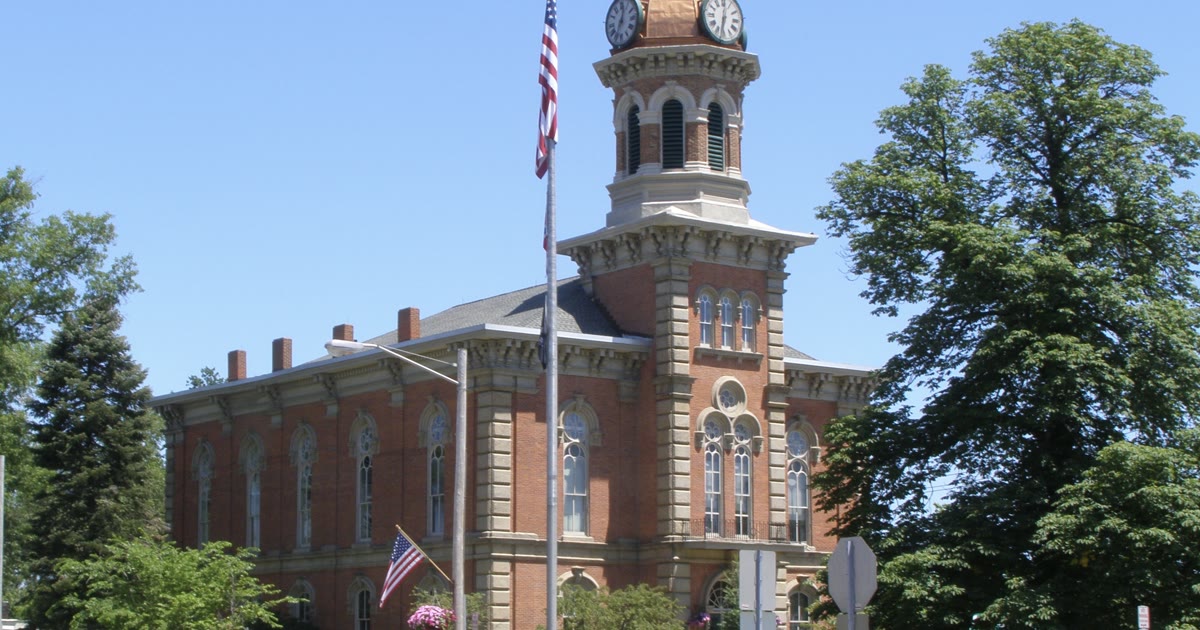
CHARDON, Ohio — Geauga County voters backed Republicans at the top of the ticket and gave strong support to statewide Issue 3 in the Nov. 3, 2026, general election, according to the unofficial results summary posted by the Geauga County Board of Elections. The board reported 45,854 ballots cast out of 66,736 registered voters, for turnout of 68.71 percent, with all 79 precincts complete in the summary generated at 10:20 p.m. election night. All results here are unofficial until certification.
For governor and lieutenant governor, Vivek Ramaswamy and Robert A. McColley, Republicans, led in Geauga County with 23,643 votes, ahead of Amy Acton and David Pepper, Democrats, with 19,985 votes, and Don Kissick and James L. Mills, Libertarians, with 1,447 votes, according to the Geauga County Board of Elections unofficial summary. For U.S. Senator, Jon Husted, a Republican, led in the county with 24,531 votes, ahead of Sherrod Brown, a Democrat, with 19,173 votes, William B. Redpath, a Libertarian, with 1,226 votes, and Greg Levy with 509 votes, according to the same board summary.
Geauga County voters also backed statewide Issue 3, the proposed constitutional amendment, by 30,634 votes to 14,407, according to the Geauga County Board of Elections unofficial summary. In the 14th District race for Representative to Congress, David P. Joyce, a Republican, led in the county with 26,947 votes, ahead of Maria Jukic, a Democrat, with 18,183 votes, according to the board summary. Those are Geauga County’s shares only, not final district or statewide outcomes.
On local questions, the Geauga County proposed tax levy for roads, Issue 8, led with 28,062 votes for and 16,805 against, according to the Geauga County Board of Elections unofficial summary. The Berkshire Local School District proposed income tax was trailing, with 2,233 votes for and 3,458 against, while the Cardinal Local School District proposed tax levy was leading, with 1,879 votes for and 1,650 against, according to the board summary. Those local results are also unofficial.

What we know — and what we’re still waiting on
What we know is the election-night count: a unofficial summary covering all 79 precincts, with the turnout and totals above. What we are still waiting on is what can still change those totals — eligible provisional ballots, timely overseas and military ballots, and cured ballots — and then the official canvass and certification.
The cure step comes first. Under Ohio Secretary of State Directive 2026-48, voters may cure a deficiency on an absentee or provisional ballot through Saturday, Nov. 7, 2026. Only after that window closes can the board finish deciding which provisional ballots are eligible and add remaining eligible ballots in the canvass, so margins could still shift slightly.
What happens next is set by the same directive: the canvass must begin no earlier than Sunday, Nov. 8, 2026, and no later than Wednesday, Nov. 18, 2026, and the board must certify no later than Tuesday, Nov. 24, 2026, according to Ohio Secretary of State Directive 2026-48. NewsForce247 will update this coverage at certification.
Photo: Chris Light, CC BY-SA 4.0