


Toledo voters have rejected Issue 16, the city’s proposed quarter-percent income tax for public safety, and city leaders are now weighing a budget that could include as many as about 73 layoffs. According to The Blade, the proposal failed by about 6,000 votes in preliminary election results reported Wednesday morning, Nov. 4, a day after Toledoans cast their ballots in the Nov. 3 general election. The defeat does not cut a single job by itself, but it removes the new revenue city officials said they were counting on, and it sends the hardest decisions back to Toledo City Council.
Issue 16 would have raised the city’s income tax by a quarter of a percent for four years. City leaders said the increase was projected to generate about $25 million a year, and that the money would have been restricted to public safety work rather than flowing into the general mix of city spending. That restriction was central to the pitch voters heard all fall: this was presented as a police and fire tax, tied directly to staffing and neighborhood safety, and not as an open-ended raise.

The specific promises were concrete. According to pre-election reporting by The Blade, the revenue would have supported larger police and fire recruit classes, gang enforcement efforts and more residential traffic enforcement. The administration was asking voters to pay for more officers and firefighters, and for the training classes needed to keep those departments staffed as veteran employees retire or leave.
By Wednesday, the conversation had shifted from what the money would buy to what its absence could cost. 13 Action News reported that Toledo’s worst-case budget scenario would involve about 73 layoffs after Issue 16’s failure, that about half of the potential job cuts would fall in the police and fire departments, and that changes could begin as early as January. City leaders have stressed that the cuts discussed so far are possible scenarios, not final decisions, and no layoff list has been adopted.

The warning signs were laid out in public before a single vote was cast. At a Toledo City Council Finance Committee meeting on Oct. 28, Deputy Mayor Abby Arnold told council members that current budget projections included about 73 layoffs if additional revenue was not secured, with roughly half tied to police and fire, according to The Blade’s pre-election reporting. That timeline matters: the figure surfacing again on Wednesday was not invented after the results came in — it was the same worst-case number the administration had put on the table a week before Election Day.
The fire department’s strain was also part of the public record heading into the vote. Toledo Firefighters Local 92 President Joe Cira said in pre-election reporting covered by The Blade that the department had no spare engines or medic units available, that one ambulance in west Toledo had been out of service, and that crews had recently worked a weekend about 10 firefighters below minimum staffing. Supporters argued those details showed a department with no cushion left; the measure failed anyway.

The debate was never only about police and fire headcounts. Council members noted during the fall discussions that youth programs, city pools and other neighborhood services had also been identified as possible reductions if the levy failed, according to The Blade. A budget built without the new revenue could therefore touch recreation and youth services families use across the city, alongside the uniformed staffing that dominated the campaign.
Toledo voters were not rejecting every request for money on Tuesday. According to The Blade, voters approved a levy for Toledo Public Schools the same night, and a Toledo Lucas County Public Library levy that restores library hours also passed. Schools and libraries won their case at the polls, while the income tax increase for police and fire did not.

What we know — and what we’re still waiting on. What is known: Issue 16 failed by about 6,000 votes in preliminary results reported by The Blade; the tax would have raised about $25 million a year for four years for public safety; and the administration’s worst-case scenario, reported by 13 Action News, involves about 73 layoffs, roughly half in police and fire, possibly beginning as early as January. What is still unknown: which specific positions, programs or services would actually be cut, because no final budget decisions have been made and any changes require action by Toledo City Council.
For residents, the practical stakes are the services they notice day to day. Police and fire staffing levels shape response capacity and how quickly recruit classes can replace departing employees, while possible reductions for youth programs and pools would be felt in neighborhoods far from downtown. None of those outcomes is locked in by Tuesday’s vote alone — the vote removed a funding option, and the choices about what Toledo can still afford now belong to the administration and council.
What happens next is a council decision, not another election. The administration must translate the worst-case scenarios discussed since Oct. 28 into an actual budget proposal, and City Council will have to act on any layoffs or service reductions, as city leaders acknowledged before the vote. With 13 Action News reporting changes could begin as early as January, residents should expect the first concrete answers — a proposed budget, committee hearings and a council vote — in the weeks ahead.
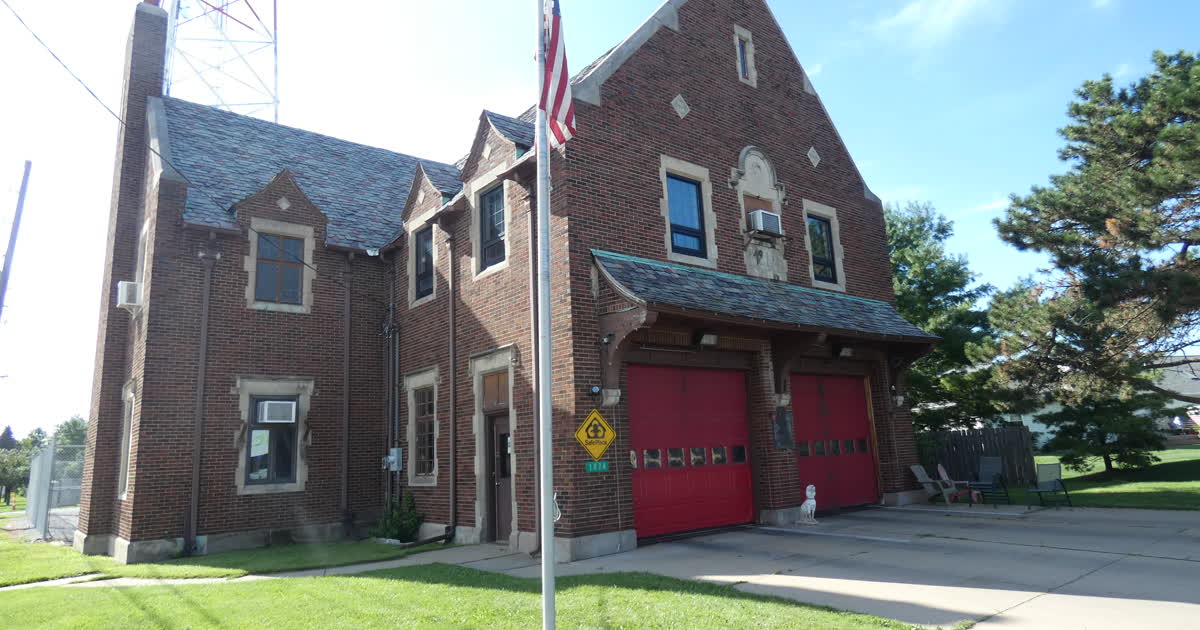
Photo: MrJacon000, CC BY