


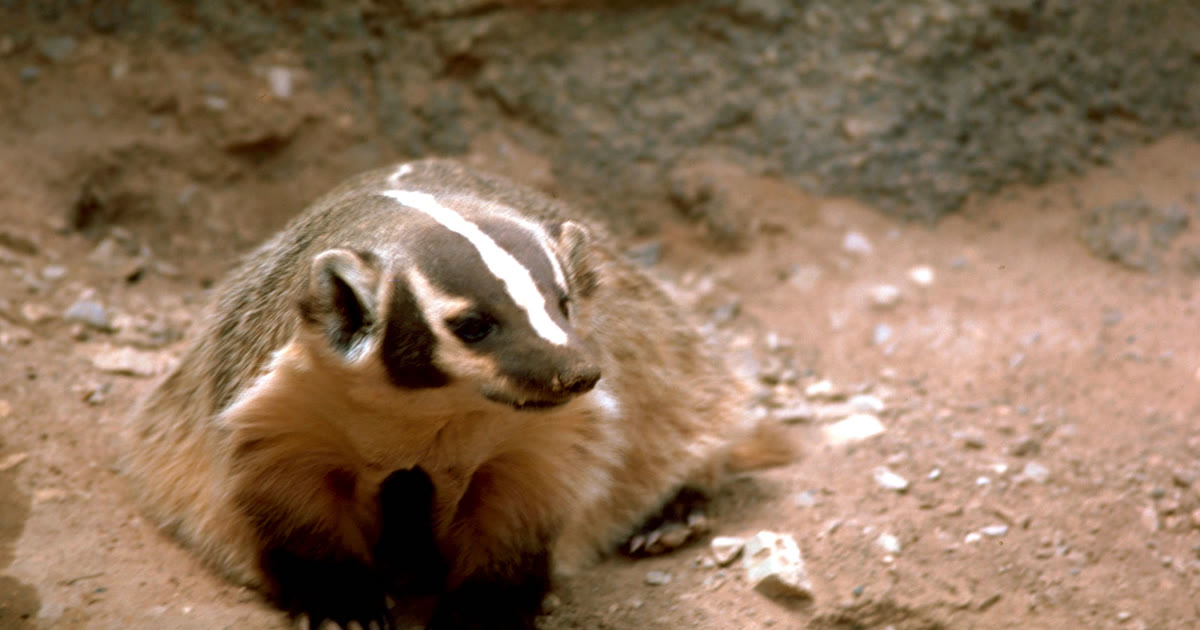
One of Ohio’s most elusive mammals has turned up on camera in Huron County. The Ohio Department of Natural Resources Division of Wildlife shared a photograph on Facebook on Oct. 20 showing an American badger at Willard Marsh Wildlife Area, and the rare sighting quickly drew wide attention. The post went viral, collecting more than 900 shares, 5,400 reactions and 200 comments from Ohioans surprised to learn the secretive animal lives in the state at all.
Badgers are seldom seen in Ohio because they are nocturnal and naturally secretive, spending much of their time underground or moving after dark. ODNR says that lifestyle makes an accurate population count difficult, since the animals rarely show themselves long enough to be tallied. Trail cameras in Sandusky County and Ashland County also captured badgers in December 2025, suggesting the animals are quietly present across more of northern Ohio than most people realize.

The American badger, known scientifically as Taxidea taxus, is a relative of the skunk, and it is built to be recognized once seen. A bold white stripe runs over its head starting at the nose, white fur rings its eyes, and dark patches on its cheeks form the markings that give the animal its name — its “badges.” Its coat mixes silvery gray, black and buff tones, and its black feet have webbed toes tipped with claws up to two inches long, tools made for serious digging.
Badgers are compact but powerful. Adults measure about 22 to 30 inches long, with males weighing 16 to 24 pounds and females around 14 pounds. That low, muscular build, paired with those oversized claws, lets a badger move earth quickly as it hunts underground prey and digs the burrows where it shelters by day.

In Ohio, badgers favor short-grass habitat such as open fields and pastures. Their homes are a giveaway even when the animal stays hidden: a badger den looks like a very large groundhog hole, usually with a pile of displaced soil beside the entrance. A hole that seems too big for a groundhog may be worth a second look.
Badgers live largely solitary lives, coming together only during the mating season in summer and early autumn. Their diet centers on small rodents such as ground squirrels and mice, but they also take amphibians, reptiles, small birds, eggs and invertebrates — a menu that makes them a quiet ally for farmers in the fields they patrol at night.

Because sightings are so uncommon, ODNR is asking the public to help document where badgers are turning up. Anyone who spots one is encouraged to report the sighting through the division’s wildlife reporting system. “Your reports help us better understand their presence and protect their habitat,” the division said. The viral Willard Marsh photo is a reminder that some of Ohio’s most interesting wildlife is active close to home — it just prefers to keep out of sight.