


Dozens of Cincinnati residents pressed city officials Monday night on where data centers should be allowed to go and what their heavy water and electricity use could mean for household utility bills, at a public forum in Walnut Hills.
The in-person meeting at the Walnut Hills Branch Library was held by Cincinnati’s Department of City Planning and Engagement, which has also held a virtual session. City staff presented information, answered questions and promised a post-meeting summary responding to unanswered items and explaining next steps.

Officials stressed that no large-scale data center has been proposed in Cincinnati and no massive project is waiting for approval at City Hall. The city is trying to write its rules before an application arrives: feedback from the sessions will help draft amendments to Cincinnati’s zoning code specifying which areas would be permitted or prohibited for data centers.
Council member Mark Jeffreys warned that data centers are growing rapidly and said the zoning study will identify realistic locations and protections for existing neighborhoods. Robert McCracken of the city’s Office of Environment and Sustainability anticipated increased costs from the facilities but called for protections to keep costs down for residents.

Residents were blunter, focusing much of the evening on the two resources data centers consume most — water for cooling and electricity for round-the-clock computing — and on who ends up paying when a facility’s demand pushes those systems harder. Over-the-Rhine resident Cayley Baker questioned whether a data-center identity is what the city should want. "Is that what Ohio wants to be known for? Is that what Cincinnati wants to be known for?" Baker asked, calling the process an important first step but adding that when it comes to holding people accountable, words are cheap.
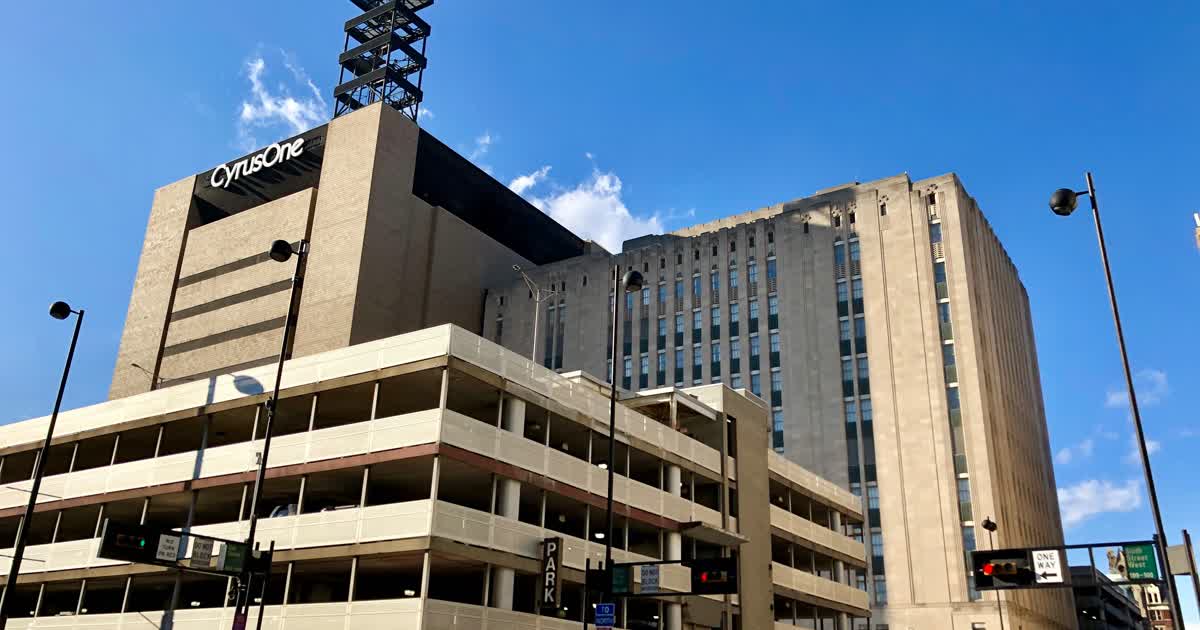
About 28 data centers already operate in the Greater Cincinnati area, including smaller-scale sites such as CyrusOne, whose CIN2 tower stands at the western edge of downtown, and Ohio ranks among the top states for data-center facilities. Cincinnati’s zoning code has had no clear data-center definition, and facilities could previously be built outright under six zoning designations.

For now, Cincinnati has a moratorium preventing data-center construction within city limits until February 2027 while officials consider the regulations, with an update to the Planning Commission planned for November 6.