


CLEVELAND, Ohio — Cleveland homeowners and renters in the city’s oldest houses could get help replacing lead-tainted windows under a $900,000 pilot program proposed by Mayor Justin Bibb’s administration, with legislation introduced at Cleveland City Council this week that would let the city hire the Cleveland Development Foundation to run it, according to reporting by cleveland.com and a summary published by WeCleveland.
The pilot targets homes built before 1940, where original windows are among the most common sources of lead dust in the house: painted window frames grind against each other every time a window opens, shedding fine lead particles onto sills and floors where children play. The money could cover window purchase and installation, lead hazard work, contractor training and certification, and program tracking, according to WeCleveland’s summary of the proposal.
The city’s housing board signed off on the pilot on November 11, 2026, before the legislation was introduced at council, and the program could start right away if council approves it, according to WeCleveland. If the pilot passes, owners and renters of pre-1940 Cleveland homes could be offered window replacement at no cost to them, with projected heating and cooling savings of 25 percent to 35 percent from the new windows.
The proposal arrives against a difficult backdrop for the city’s lead work. Cleveland won a state grant of about $5 million in early 2024 and then saw about $3.3 million of it clawed back in February 2025, according to WeCleveland — and Cleveland children still show about twice the elevated blood lead rate of children in similar cities, a disparity that has made lead the city’s most persistent public health fight.
Council strengthened the city’s wider lead framework just last month: on October 26, 2026, council approved Ordinance 1244-2026 updating the lead certification program, in a city with roughly 100,000 housing units that need lead abatement, according to the Plain Press. The updated program, developed with the Lead Safe Cleveland Coalition and the Lead Safe Advisory Board, rewards landlords who fix high-contact areas like porches, doors and windows with longer certification periods.
The open question for the window pilot is scale. At $900,000, the program will reach a limited number of homes, and how the city chooses which homes come first — by neighborhood, by the presence of young children, or by the worst measured hazards — will decide how much difference the pilot makes beyond the houses it touches directly.

What happens next is council’s consideration of the legislation, introduced as an emergency ordinance authorizing the Director of Community Development to enter into agreements with the Cleveland Development Foundation, or its designee, to implement the program. Residents of older homes can follow the existing Lead Hazard Control program through the city’s Department of Community Development while the pilot moves through council.
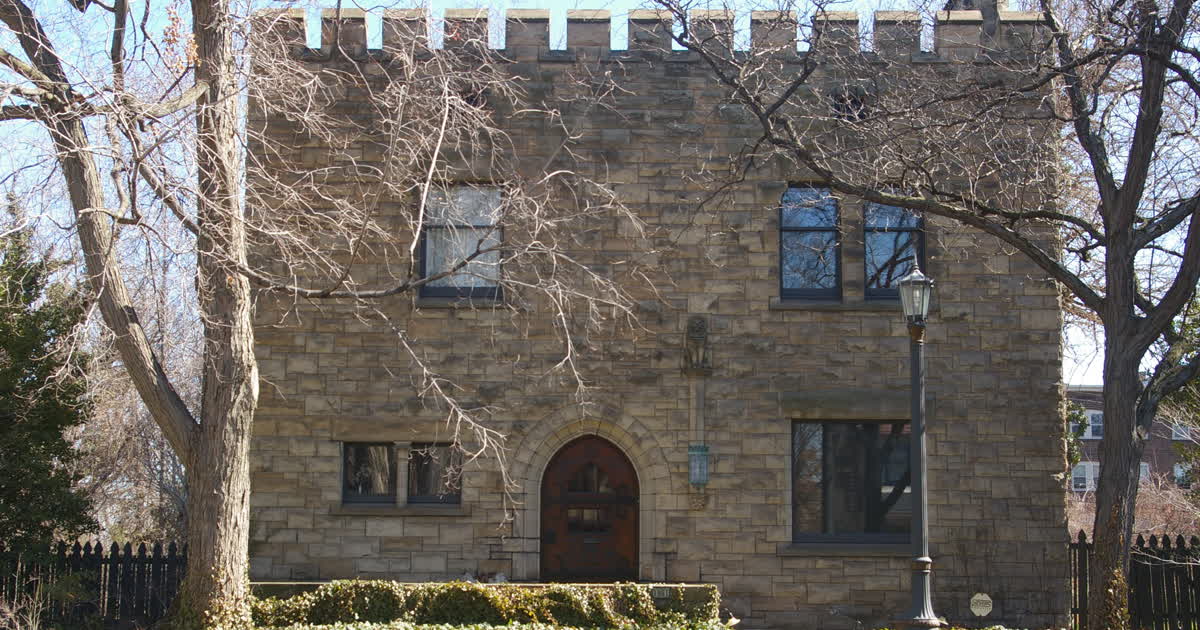
Photo: Christopher Busta-Peck, CC BY-SA