


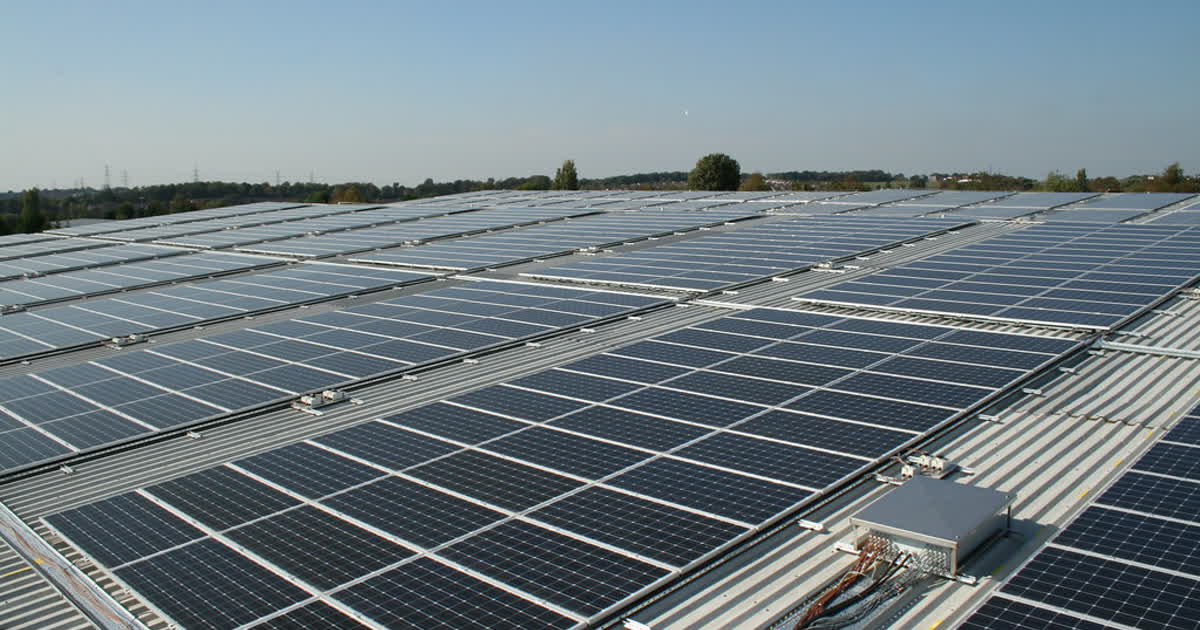
CINCINNATI, Ohio — Cincinnati is moving toward clearer zoning rules for solar panels after the city Planning Commission approved proposed code changes on Thursday, November 20, 2026, WVXU reported.
The proposal would add dedicated sections on solar energy systems to the city zoning code, spelling out where rooftop, ground-mounted and parking-canopy systems can go, according to WVXU and the city’s project schedule. City Planner Maria Dienger told WVXU the aim is to reduce uncertainty for residents and businesses considering solar.
Under the proposed rules, rooftop panels would be allowed subject to height limits and any applicable overlay rules, with different rooftop height standards for residential and nonresidential properties. Ground-mounted systems would be allowed in rear yards across uses, and in side yards for nonresidential properties. Solar canopies could be built where surface parking is allowed, except in the front yard of a residential district.
The changes focus mainly on solar systems serving the property where they sit. They would not broadly authorize solar farms: solar as a primary use would be allowed only in districts where public utility plants or distribution systems are already permitted, according to the city’s presentation.
The proposal arrives as homeowners and businesses weigh rooftop solar against a thicket of local rules that were written before panels were common. Under the current patchwork, a property owner can be told a system is allowed by right and still face overlay or design review depending on the neighborhood — the kind of uncertainty Dienger told WVXU the new code sections are meant to reduce by stating the standards in one place.

The details matter street by street. A rooftop system’s height above the roof line, a ground-mounted array’s placement in a rear rather than front yard, and a canopy’s footprint over an existing parking lot are the questions installers ask first, and the proposal answers each of them in the code instead of case by case. The different height treatment for residential and nonresidential rooftops reflects the different scales of those buildings, according to the city’s presentation.
The proposal also draws a clear line at its edge: it is about systems that serve a home, a business or a parking lot, not about turning city land into power plants. Solar as a primary use stays confined to districts where public utility plants or distribution systems are already permitted, so the December votes will not by themselves open residential neighborhoods to solar farms.
Cincinnati already works under a 2024 zoning clarification saying rooftop and ground-mounted solar systems are allowed by right when they meet a property’s existing height and setback requirements, though some historic and urban design rules may require additional review. The new proposal would put more specific solar definitions, locations and development standards directly into the code itself.
The city says clearer rules would support its Green Cincinnati Plan goal of getting 40 percent of the city’s electricity load from clean energy sources by 2030. Property owners would still need the required building and electrical permits for a solar installation, according to the city’s solar permitting information.

For residents, the practical test will come after Council acts: whether a homeowner in a historic overlay district, a church with a large flat roof, or a business with a surface lot can read one code section and know, before paying for designs, where panels may go and what permits to pull. That predictability, supporters say, is what turns interest in solar into installations.
What we know — and what we’re still waiting on
What is confirmed: the Planning Commission approved the proposal on November 20, 2026, and it now heads to City Council, WVXU reported. What is not yet known: whether Council will adopt the rules as drafted, amend them, or send them back — and until Council acts, the current zoning rules and standards continue to apply.
What happens next is already on the calendar. A public hearing is scheduled before the Equitable Growth and Housing Committee on Monday, December 8, 2026, at 1:00 p.m. If the committee advances the proposal, City Council is expected to take a final vote on Tuesday, December 9, 2026, according to WVXU and the city’s project schedule.
Photo: h080, CC BY-SA