


DELAWARE, Ohio — Delaware City Council has unanimously approved a resolution telling the state that improving U.S. 23 should be the primary focus for the region, ahead of building a proposed new connector highway between U.S. 23 and Interstate 71, The Columbus Dispatch reported.
The vote, Resolution 26-78, backs the recommendations of the state’s U.S. 23 Connect study and puts the city on record for fixing the existing highway first, the Delaware Source reported from the council’s meeting record.
City Engineer Jonathan Owen told council that improvements to U.S. 23 would cost approximately $1.6 billion, The Columbus Dispatch reported. Owen said the U.S. 23 work could reduce travel time by nearly 35 minutes and prevent 150 fatal or serious injuries over 20 years, according to The Columbus Dispatch.
The alternative — a new connection between U.S. 23 near Waldo and I-71 through Morrow County — would cost an estimated $857 million to $1.2 billion and reduce peak-hour travel time by an estimated 22 minutes, Owen told council, according to The Columbus Dispatch.
Doing both is the outcome the city says would help most, but the money points the other way. With the combined projects estimated to cost at least $2.5 billion, Owen said funding both is unlikely, the Delaware Source reported. “If we’re coming down to one, the primary focus should be on the 23 corridor improvements,” Owen said, according to the Delaware Source.
The resolution states the city’s position directly: “The city of Delaware’s position is that the primary focus to improve travel time and safety for motorists in the Delaware region, and for the Toledo to Columbus connection, should be to implement the high performing concepts identified in the U.S. 23 Corridor Action Plan, January 2025,” the resolution states, as quoted by the Delaware Source.
The state has been studying the corridor for years. The Ohio Department of Transportation delivered its final report on the potential connector to the Ohio General Assembly on September 30, 2026, after years of public feedback sessions and studies, The Columbus Dispatch reported, and ODOT announced its preferred route for the potential connector in July 2026, the Delaware Source reported.
Public sentiment has run heavily against the new highway. Of the 3,800 comments ODOT received this past spring and summer, just 2 percent of people supported the connector project, The Columbus Dispatch reported. Farmers and property owners along the studied routes through Delaware, Marion and Morrow counties have raised concerns about divided fields and lost access in earlier public sessions.
Two sections of U.S. 23 matter most to Delaware itself: Pennsylvania Avenue to Hills-Miller Road, Segment 6, and Main Road to State Route 229, Segment 7, the Delaware Source reported. ODOT is accepting public comments on the alternatives for those segments through November 28, 2026.
What we know — and what we’re still waiting on: What is confirmed is Delaware’s official position — a unanimous council resolution prioritizing U.S. 23 improvements — and the cost and benefit estimates the city engineer presented. What is not decided is anything at the state level: neither project is funded, and Owen told council it would be unlikely for either expensive project to be approved anytime soon, The Columbus Dispatch reported.

For drivers, U.S. 23 is the daily link between Delaware County’s fast-growing communities and Columbus jobs, and its stop-and-go stretches through Delaware are among the most complained-about commutes in central Ohio. The council’s vote does not build anything, but it tells Columbus where the city that lives with the highway every day stands.
The next concrete step is the November 28, 2026, close of ODOT’s public comment period on the U.S. 23 Connect segments, after which the state weighs the corridor’s future with Delaware’s resolution on the record.
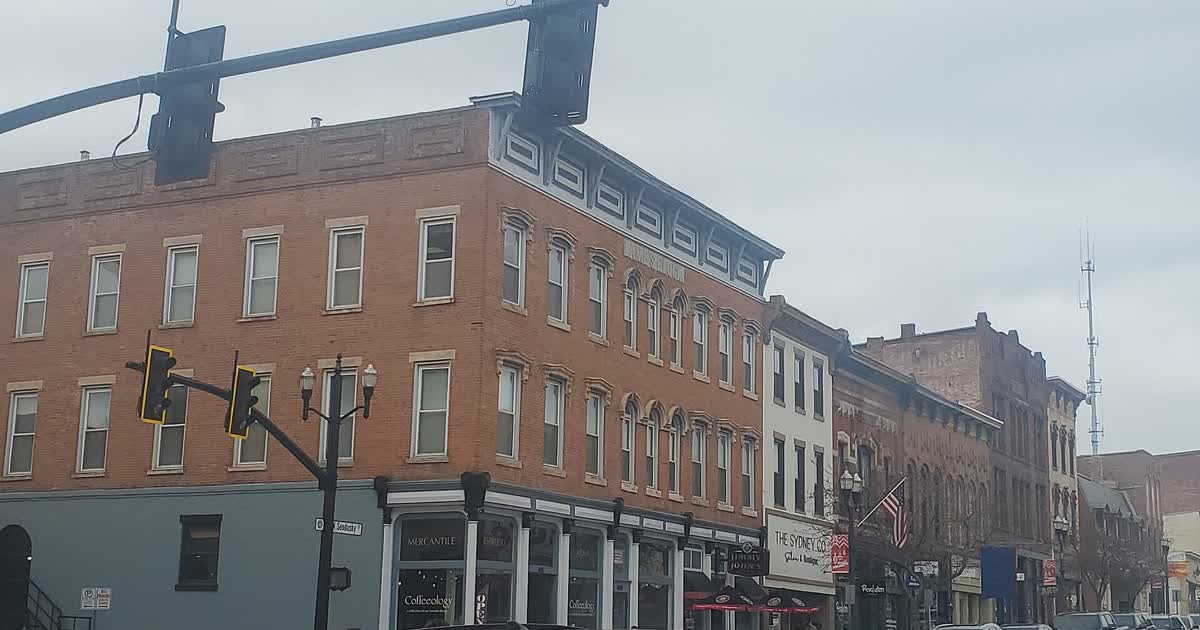
Photo: JBTHEMILKER, CC BY-SA 4.0