


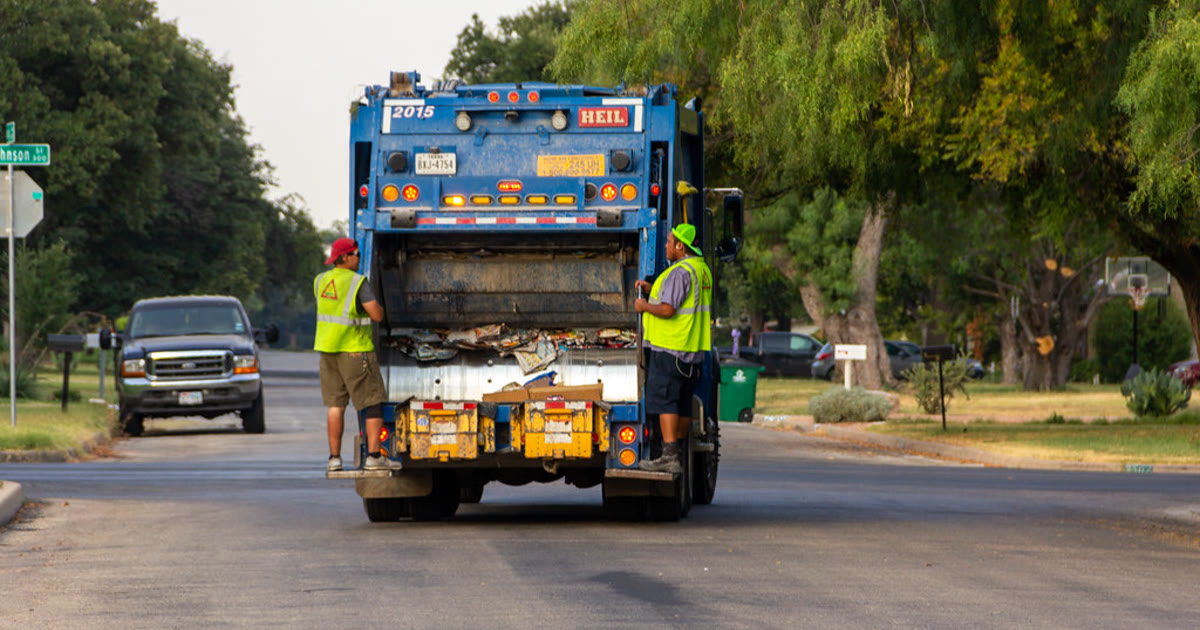
TOLEDO, Ohio — Toledo plans to end curbside recycling after January 4, 2027, under Mayor Wade Kapszukiewicz’s proposed 2027 budget, while the refuse fee residents pay on their water bills stays exactly where it is — a combination that has drawn pointed questions from homeowners, 13 Action News (WTVG) reported in an I-TEAM investigation.
The recycling cut is one piece of the proposed $373.2 million budget the mayor submitted to Toledo City Council on November 16, 2026. In his budget letter, published by the City of Toledo, Kapszukiewicz wrote that continuing current services into 2027 would have cost $403.5 million, and that the proposal is a $30.3 million reduction from that baseline and a $16.6 million reduction from last year’s approved budget. Eighty-nine city employees received layoff notices, with their jobs ending in January, the mayor wrote.
The budget follows the voters’ rejection of Issue 16, the neighborhood safety levy, on November 3, 2026. In the letter, the mayor said the plan protects $254 million for public safety as far as the city can, which is why the reductions fall most heavily on other services. Even so, public safety is not fully spared: the proposal eliminates police and fire academy classes at $2.8 million, so vacancies will go unfilled, and eliminates the violence intervention program at $1.4 million, according to the letter.
Curbside recycling sits inside a $4.2 million reduction to blight removal services. The mayor’s letter lists that reduction as eliminating the curbside recycling program, the nuisance mowing program and the proactive demolition program, closing the Clean Toledo Center, and reducing the number of blight crews that respond to neighborhood complaints. Youth programming, park programming, pools and splash pads, and special events are eliminated under a separate $2.2 million reduction, according to the letter. NewsForce247 covered the full proposal in our report on the proposed $373.2 million budget.

The fee question is where the plan has met its sharpest resistance. Toledo residents pay a refuse fee through their water bills, and that fee will not decrease as the service decreases. A city spokeswoman told the 13 Action News I-TEAM that the refuse fee only covers garbage collection, and that the city has subsidized recycling. But 13 Action News reported that in May 2026, when the city was negotiating a new contract with Republic Services, a city presentation slide described the municipal solid waste fee as “the dedicated funding source for curbside collection, recycling, and operation of the Huffman road landfill” — language residents are now measuring against the spokeswoman’s explanation.
What we know — and what we’re still waiting on
What we know: the proposed budget ends curbside recycling after January 4, 2027; the refuse fee is unchanged; the cuts are part of a $373.2 million plan that also issues 89 layoff notices; and the mayor’s letter ties the reductions directly to the defeat of Issue 16 and the end of pandemic-era investment funding. What we are still waiting on: whether City Council amends the recycling elimination before adopting the budget, what drop-off or private options, if any, the city will point residents to once curbside pickup ends, and a detailed estimate of what ending the program saves.
The recycling fight is one of several the budget has opened across city government, including a plan-commission squeeze NewsForce247 examined in our report on the proposed zoning enforcement layoffs. Council members have already vowed to try to save at least some of the jobs and programs on the list, and every restoration competes for the same dollars.
What happens next is the council’s budget process. Toledo City Council must approve the 2027 budget by March 31, 2027, and the recycling program’s last curbside collections are scheduled for the first days of January — meaning residents will know whether the service is really ending well before council’s final vote, unless council acts sooner to restore it.