


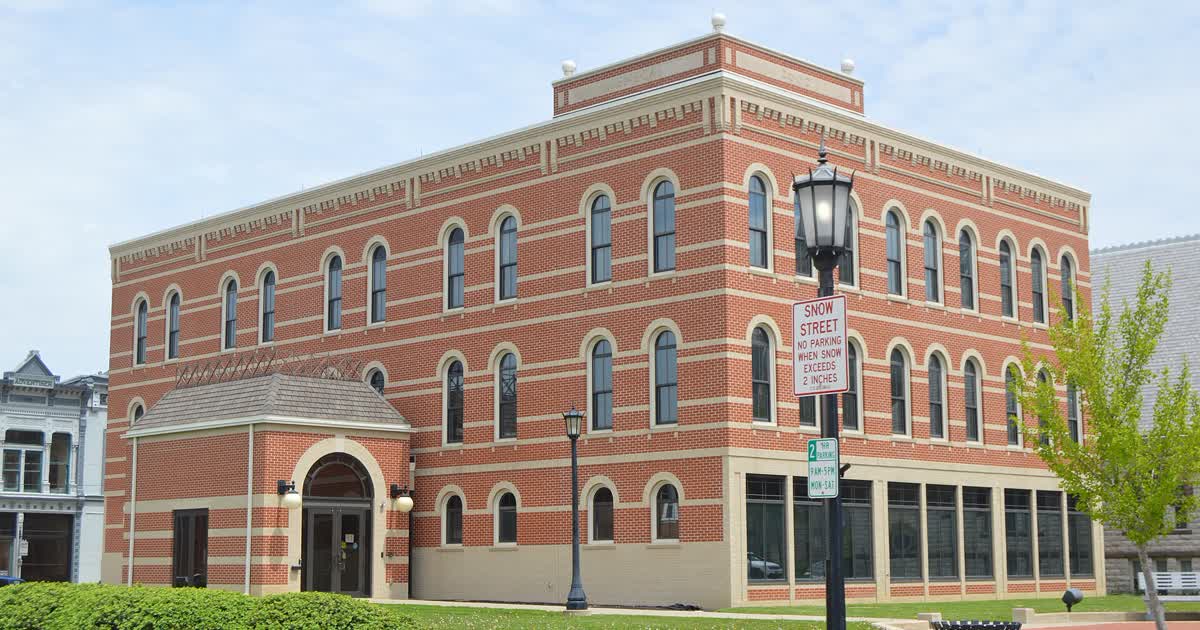
TIFFIN, Ohio — Seneca County’s part of Ohio’s post-election count is done. The Seneca County Board of Elections has completed its official canvass of the November 3, 2026 general election, and the county’s results now head to Columbus, where the Ohio Secretary of State will review the county returns and formally certify the election.
The board’s official canvass report, generated on November 13, 2026, counted 19,252 ballots cast from 33,949 registered voters across all 51 precincts — a turnout of 56.71 percent, according to the Seneca County Board of Elections. The canvass is the county’s official count: it adds eligible provisional ballots and late-arriving military and overseas ballots to the election-night totals and corrects any errors found in the unofficial count.
Seneca County finished its work well ahead of the statewide deadline. Ohio’s 88 county boards of elections have until Tuesday, November 24, 2026, to complete their official canvasses, after which the Secretary of State reviews the county results and formally certifies the election, the Ohio Secretary of State’s office said in its Week in Review update.
In the canvass, Commissioner Bill Frankart was re-elected with 10,305 votes, or 55.92 percent, to 8,122 votes, or 44.08 percent, for David G. Ziegler, according to the board’s official canvass — the full county canvass results NewsForce247 reported when the report was released. County voters also renewed the county’s mental health and addiction services levy in the November 3 vote.
In the statewide races as counted in Seneca County, voters favored Vivek Ramaswamy and Robert A. McColley for governor with 10,394 votes, backed Keith Faber for attorney general, and gave Jon Husted 10,598 votes to Sherrod Brown’s 7,010 in the United States Senate race, while Bob Latta received 11,611 votes in the 5th Congressional District, according to the board’s canvass. Those county figures become part of the statewide totals the Secretary of State certifies; statewide, Amy Acton won the governorship, so Seneca County’s governor vote went to the losing ticket.
The canvass is the step that turns a campaign into an officeholder. Election-night numbers are unofficial by law, and it is the bipartisan board’s canvass — conducted in public, with both parties’ staff reviewing the ballots — that produces the results Ohio courts, candidates and officeholders rely on. Candidates in close races also watch the canvass for the margins that decide whether a recount is triggered.
Seneca County is one of dozens of Ohio counties that have finished ahead of the deadline. Its neighbors are at the same stage: Sandusky County’s canvass of the November 3 results is also heading to certification, and boards across northwest Ohio spent the past week in the same public sessions, reviewing provisional and late-arriving ballots precinct by precinct.
For voters, nothing about the canvass changes where or how they voted — but it is the last chance for a ballot cast correctly to be counted, and the reason Ohio law gives boards three weeks after election day to finish. Provisional ballots are researched one by one, and eligible military and overseas ballots postmarked by election day are added under state law.
What we know — and what we’re still waiting on: Seneca County’s canvass is complete and its numbers are final at the county level, with turnout of 56.71 percent in the board’s official report. Still ahead is the state-level step: the Secretary of State’s review of all 88 county canvasses and the formal statewide certification, which follows the November 24, 2026 county deadline.
What happens next is in Columbus. Once every county’s canvass is in, the Secretary of State certifies the statewide results, winning candidates receive their certificates of election, and any recount deadlines in close races begin to run. NewsForce247 will report Seneca County’s certified figures when the state certification is issued.