


The Oak Hills Local School District is spending more than it takes in, and its school board held a special meeting Monday, Nov. 16, to weigh asking voters for new tax support, WKRC reported.
The Green Township district, on Cincinnati’s West Side, says changes in state funding and rising costs are draining its cash reserves, according to WKRC. Oak Hills must submit a financial plan to the state by Jan. 15, WKRC reported.
The district’s tax history is the backdrop for the board’s decision. Oak Hills has had just one tax levy increase since 1997, and that money is restricted to building projects — it cannot be used for daily operations, WKRC reported. A district can build and maintain buildings with restricted funds and still run short on the money that pays teachers, drivers and utility bills, which is the gap an operating levy would address.
That structure is why the Jan. 15 plan matters. A financial plan filed with the state has to show how the district closes the distance between what it spends and what it collects, and the board’s options narrow to some combination of new revenue, spending cuts, or drawing reserves down further while they last.
Oak Hills is not the only Ohio district doing this math this fall. Columbus City Schools is weighing 250 job cuts and reduced busing in its next $50 million round of reductions, NewsForce247 reported earlier this week — Columbus Schools weigh 250 job cuts, less busing — a reminder that state funding changes and rising costs are squeezing operating budgets from the state’s largest district to its suburban ones.
For families in Green Township and the district’s other West Side communities, the decision the board is weighing is concrete: a levy request would put the district’s finances directly to voters, most likely on a 2027 ballot, while declining to ask means the Jan. 15 plan must find the savings inside the current budget.
The distinction between the district’s two kinds of money runs through the whole discussion. The one increase voters have approved since 1997 is restricted to building projects, WKRC reported, so it cannot pay a teacher, fuel a bus or cover a utility bill no matter how healthy that fund looks on paper. Operating money is the separate stream the district says is now running behind its costs, and it is the stream a new levy would feed.
That is also why cash reserves matter in the board’s timing. A district spending more than it takes in can cover the difference from reserves for a time, but WKRC reported Oak Hills’ reserves are draining — which converts a slow problem into a dated one. The Jan. 15 state filing is the first hard deadline; a levy decision, if the board makes one, would then have to be fitted to a ballot calendar, a millage figure and a campaign in communities that have said yes to an increase only once in nearly 30 years.

What we know — and what we’re still waiting on
What is confirmed, from WKRC’s reporting: the board met in special session Monday to weigh a possible levy, the district is spending more than it takes in, reserves are draining under state funding changes and rising costs, and a financial plan is due to the state by Jan. 15. What has not been announced is the board’s decision itself — whether it voted to pursue a levy, what amount or millage it would seek, or which election it would target.
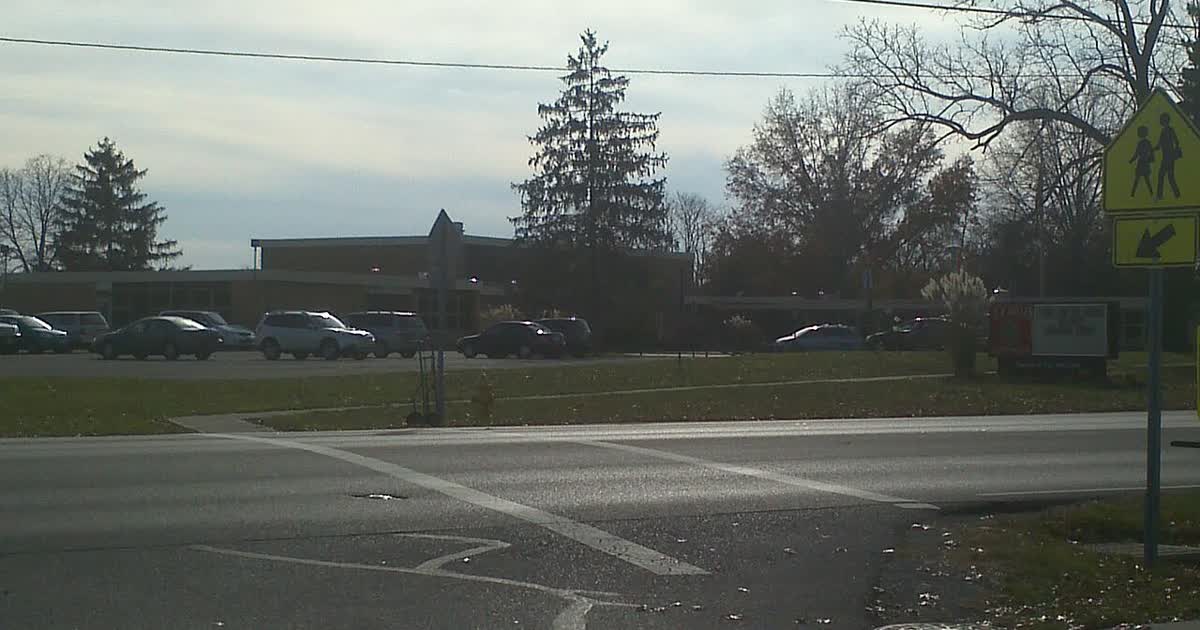
The district serves the West Side from its schools in Green Township, including J.F. Dulles Elementary on Bridgetown Road, which the district lists among its elementary buildings. Any levy campaign would run through those neighborhoods, where voters have approved just one increase in nearly three decades.

For now, nothing about the district’s classrooms changes: the special meeting was about the district’s finances and its next ask of voters, not about any immediate cut or closure, and WKRC reported no decision on a levy amount or a ballot date in its account of the meeting.
What happens next is the board’s public decision and then the Jan. 15 filing: the financial plan Oak Hills submits to the state will show, in numbers, whether new tax support is part of the district’s path or whether the plan closes the gap another way.
Photo: Scarlato10, CC BY-SA 3.0
[…] is not the only Ohio community doing this math this month. In Cincinnati’s suburbs, the Oak Hills school board is weighing a new levy as costs outrun revenue, and Toledo’s own institutions are tightening as well — the […]