


Construction is underway on the largest single infusion of brand-new supportive housing Toledo has ever built under one roof. Mission Point, a $22 million, 65-unit apartment building at Monroe and 14th streets in downtown Toledo, broke ground on Friday, Nov. 6, next to Cherry Street Mission’s Life Revitalization Center, Toledo.com reported.
The four-story building will hold 65 one-bedroom apartments for people experiencing chronic homelessness and individuals with mental health challenges in the Toledo area, Toledo.com reported. It is, according to the report, the largest newly constructed multistory building in Toledo history dedicated to the modern supportive-housing model.
Mission Point is a collaboration that Lucas Housing Services Corporation — the nonprofit affiliate of Lucas Metropolitan Housing — and Cherry Street Mission began planning with local, state and federal partners in 2020, Toledo.com reported. The two organizations are co-developers and will be co-owners of the building, according to Cherry Street Mission’s own announcement of the project’s Ohio Housing Finance Agency financing.
The financing shows how long the road to this month’s groundbreaking was. The Ohio Housing Finance Agency board approved financing for Mission Point in May 2025, when the total development cost was projected at approximately $20 million, with low-income housing tax credit funding providing approximately $15 million in equity — about 75% of the needed funding, Cherry Street Mission announced at the time. The price tag reported at groundbreaking was approximately $22 million, according to Toledo.com.
Supportive housing is the model’s name for pairing a permanent apartment with services on site. Mission Point will offer supportive services intended to help residents achieve housing stability and build a path to independence, and tenants will be identified through coordinated entry in the local Continuum of Care, according to Cherry Street Mission. Cherry Street will serve as the supportive-service provider, the mission’s project materials state.
The need is the reason the project exists. Cherry Street Mission, founded in Toledo in 1947, describes itself as the largest organization serving low-income and homeless men, women and children in the 14 counties of Northwest Ohio and Southeast Michigan, serving more than 400 people every day across more than 15 facilities, according to the mission. Its continuum now runs from meals and shelter to mental-health care, workforce training and transitional housing.
Sixty-five permanent apartments will not end homelessness in Lucas County, and nobody at the groundbreaking claimed otherwise. What they change is the math for 65 of the hardest cases — people for whom a lease, a door that locks and services downstairs are the difference between cycling through shelters and staying housed.
The building’s design follows the model. Mission Point’s first floor holds the supportive services, property management and common areas, with the 65 one-bedroom apartments above, according to the project’s development materials; Berardi+ is the architect and Beacon 360 the property manager in those materials. Placing services on the ground floor is the point of supportive housing: help is not a bus ride away, it is downstairs, and residents encounter it in the ordinary course of coming home.
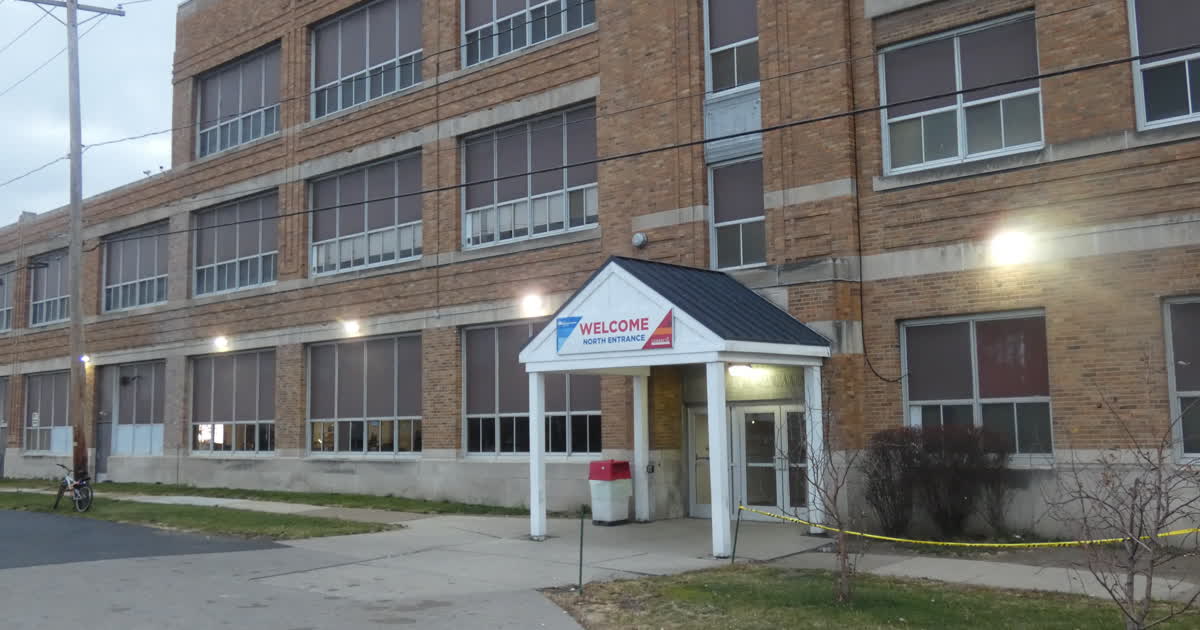
The site is part of the design too. Building next to Cherry Street Mission’s Life Revitalization Center puts Mission Point’s residents beside the mission’s existing education, training and job-placement work in the former Macomber High School building, rather than across town from it. The mission’s continuum — shelter, meals, mental-health care through its partners, workforce development and transitional housing at the Caleb House — already runs on that campus; Mission Point adds the permanent rung at the top of it.
What we know — and what we’re still waiting on

What is confirmed: the groundbreaking was held Nov. 6, the building is four stories with 65 one-bedroom units at Monroe and 14th, and completion is tentatively expected toward the end of 2027, Toledo.com reported; 13abc also covered the groundbreaking. What is not yet public in the reports: the final funding breakdown at the $22 million figure and the exact opening-month target for 2027. Toledo’s housing story is running alongside a hard city budget season, as NewsForce247 covered in our report on the city’s layoff notices after Issue 16 failed — and alongside brighter downtown moments like Saturday’s Blade Holiday Parade.
What happens next is the build itself: roughly a year of construction downtown, with the first residents — chosen through coordinated entry — expected to move in near the end of 2027.
Photo: MrJacon000, CC BY-SA