


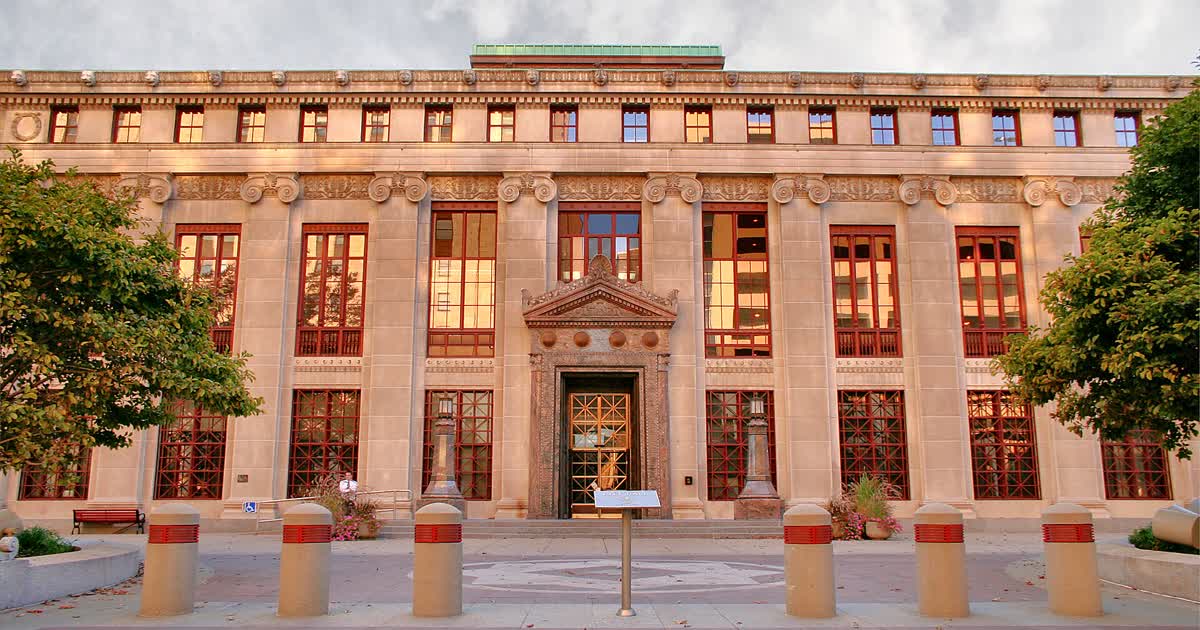
Columbus Mayor Andrew Ginther unveiled a proposed $1.3 billion operating budget for 2027 on Thursday, Nov. 12, that would sharply boost firefighter hiring while eliminating city funding for health centers that serve uninsured patients and falling short of the city’s promised contribution to the Columbus Promise, The Columbus Dispatch reported. Ginther pitched the proposal at Linden Community Center, the Dispatch reported.
The mayor is required by the city charter to submit an annual operating budget by mid-November, the Dispatch reported, and his proposal is only the first step: Columbus City Council will hold hearings in the coming months before a vote in early 2027. The plan lands in the middle of a feud between Ginther and City Council President Shannon Hardin, who is challenging the mayor in the 2027 election, the Dispatch reported.
"My 2027 operating budget is focused on disciplined spending and stretching our dollars wisely and efficiently without compromising what keeps Columbus residents safe, stable and thriving," Ginther said, according to The Columbus Dispatch. He said economic pressures held him back from funding everything he would like, such as a third police recruit class, the Dispatch reported.
The biggest new investment is in the Division of Fire. Ginther is proposing three fire recruit classes in 2027 that could add up to 135 new firefighters, plus two police recruit classes that could add up to 120 officers, the Dispatch reported. The city funded only one fire class in each of the last two years, and the fire division has blown through its overtime budget this year amid a staffing shortage that worsened when the city opened another fire station midway through 2026, the Dispatch reported.
Overtime itself gets a reality check in the proposal. The budget includes more than $44 million for police and fire overtime, about what the city projects it will use in 2026, according to finance director Chris Long, the Dispatch reported. Columbus is projected to go over its 2026 overtime budget by at least $23 million after the current budget baked in reductions the Department of Public Safety did not hit, the Dispatch reported.
The firefighters’ union is not swayed: it endorsed Hardin in the mayoral contest a day before Ginther’s announcement, the Dispatch reported. NewsForce247 reported earlier this week that the Columbus firefighters union backed Hardin for mayor, rebuking Ginther, in our coverage of the union’s endorsement.

Homeless services hold steady after last year’s clash. Ginther proposes $13 million for the Community Shelter Board, the nonprofit that manages Franklin County’s homelessness response, the Dispatch reported — the same total council amended the budget to reach last year after Ginther proposed about $6 million. Community Shelter Board CEO Shannon Isom thanked the mayor for the commitment at the press conference, the Dispatch reported.
Alternative crisis response — the program, backed by voters in Issue 5, that sends clinicians rather than police officers to some nonviolent mental health crises — is cut from $8.8 million in 2026 to $6.1 million in the 2027 proposal, the Dispatch reported. Ginther said the program remains a priority and Long called the change an efficient allocation of safety resources rather than a scale-back, the Dispatch reported.
The sharpest cut falls on health care for the uninsured. The proposal contains $0 for Federally Qualified Health Centers such as PrimaryOne Health, which historically received about $5 million a year from the city before cuts in recent years, the Dispatch reported. PrimaryOne Health CEO Fikru Nigusse told The Columbus Dispatch the cut would be tough to swallow alongside federal Medicaid cuts, and said the organization will again lobby council to restore funding.
The Columbus Promise, the program that sends Columbus City Schools graduates to Columbus State Community College tuition-free, gets $1 million in the proposal, the Dispatch reported. Ginther pledged in 2025 that the city would contribute $10 million over three years; meeting that pledge would require $6 million in 2027, so as proposed the city will not meet it, the Dispatch reported. Ginther said Columbus State missed an opportunity by not putting a levy on the ballot this year, the Dispatch reported.
What we know — and what we’re still waiting on: the proposal’s figures, from the $44 million overtime line to the $0 health-center line, are as Ginther presented them on Nov. 12 and as The Columbus Dispatch reported them. What is not yet known is how council will amend the plan; last year council restored money for shelters, health centers and the Columbus Promise, and Hardin said in a statement that council will again work to balance fiscal restraint with forward-looking investments, the Dispatch reported.
The budget also carries a protest. After council voted to restrict how much the operating budget can pull from the city’s debt services fund, Ginther said he will not sign the legislation — a rare, symbolic move, since it takes effect without his signature, the Dispatch reported. The change cost this budget cycle about $5 million that could not be used for operating costs, Ginther said, according to the Dispatch. City finances are also before council in a second way this month, as NewsForce247 reported in our coverage of Columbus weighing an 18% water hike and a power increase ahead of a Nov. 23 vote.

What happens next: City Council begins budget hearings in the coming months and votes in early 2027. Health-center advocates, including PrimaryOne Health, have already said they will lobby council members to amend the proposal, and the mayor’s race between Ginther and Hardin will run alongside the entire debate.